
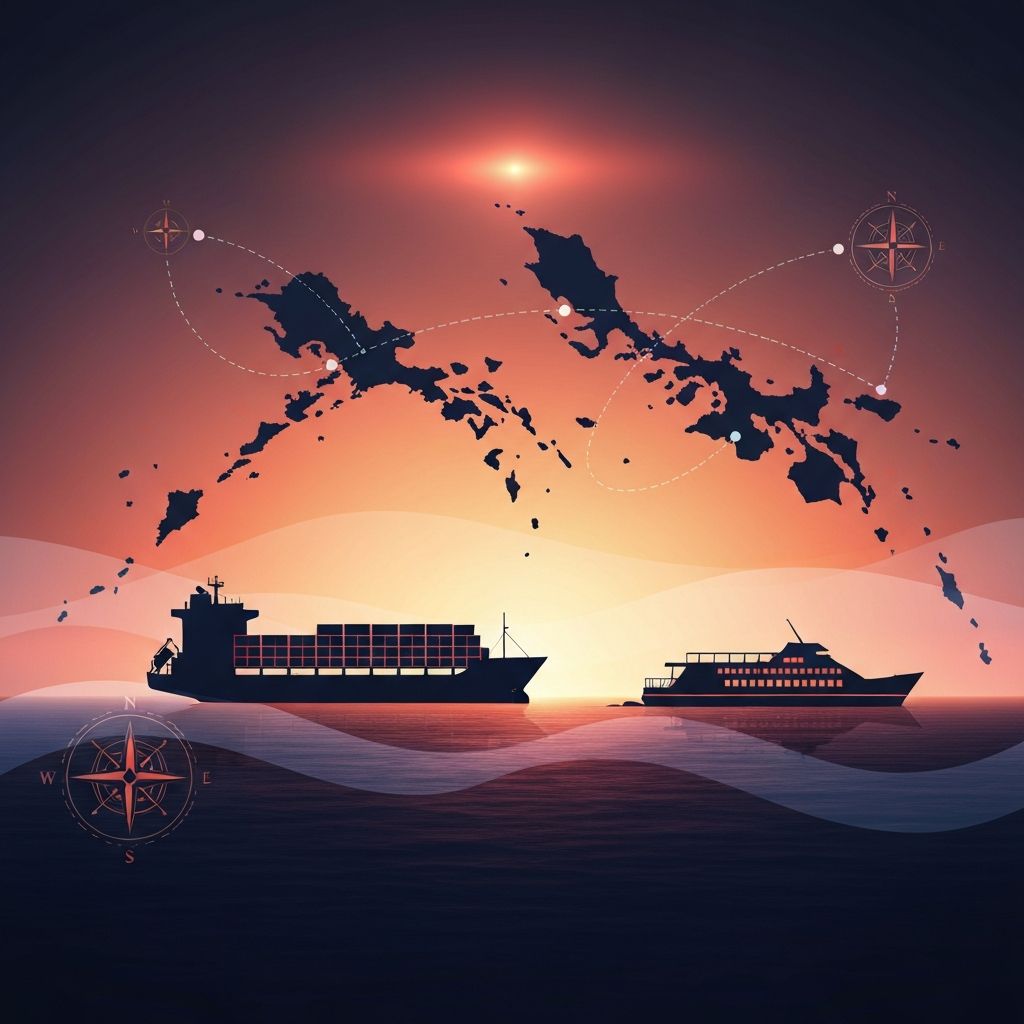
Shipping as the Lifeline of the Philippines
As one of the world's largest archipelagos, the Philippines has always depended heavily on maritime transportation. Shipping companies form the lifeline that connects more than 7,000 islands, moving people, goods, and resources across vast stretches of ocean. From inter-island passenger ferries to international cargo vessels, the industry plays a critical role in trade, tourism, and economic development.
The Philippine shipping sector has evolved significantly over the years, with companies investing in modern vessels, digital booking systems, and improved port facilities. The country's strategic position in Southeast Asia also makes it an important node in regional and international maritime trade.
Top Shipping Companies in the Country
2GO Travel is one of the most well-known names, operating passenger and cargo ferries across major routes including Manila, Cebu, Iloilo, and Cagayan de Oro. Their modern vessels offer a range of accommodations from economy to premium cabins.
OceanJet specializes in fast ferry services across the Visayas, connecting cities like Cebu, Bohol, Dumaguete, and Tagbilaran with comfortable and time-efficient trips.
SuperCat by 2GO offers fast craft services in key Visayan routes, popular among tourists and business travelers seeking quick inter-island travel.
Trans-Asia Shipping Lines serves both passenger and cargo segments with a strong presence in the Visayas and Mindanao regions.
Cokaliong Shipping Lines has built its reputation in inter-island shipping for both passengers and freight, particularly in the Visayas-Mindanao corridor.
More Trusted Maritime Operators
Aboitiz Transport System operates a strong fleet for both passenger and cargo services, with a long-standing reputation in the maritime industry.
Lite Shipping Corporation provides reliable services across Cebu, Bohol, and other Visayan destinations, popular for both commuters and tourists.
Negros Navigation is one of the oldest shipping companies in the Philippines, with a rich heritage and modern operations connecting key ports nationwide.
Asian Marine Transport Corporation serves both passenger and cargo segments, with a strong presence in Mindanao and the Visayas.
Magsaysay Shipping Lines rounds out the list with its diversified maritime operations, including international cargo and crew management services.
Services and Customer Experience
Today's leading shipping companies in the Philippines offer a wide range of services beyond basic transportation. Passenger services include various cabin classes, dining options, entertainment, and onboard amenities. Cargo services include container shipping, roll-on roll-off transport, project cargo handling, and specialized freight for industries such as oil, mining, and agriculture.
Digital innovations have significantly improved customer experience. Online booking, e-tickets, real-time vessel tracking, and mobile apps make it easier than ever to plan and manage trips. Companies are also investing in green shipping practices, fuel efficiency, and crew welfare to align with global maritime standards.
Industry Trends
The Philippine shipping industry is moving toward modernization and sustainability. Many companies are upgrading their fleets with newer, more efficient vessels that meet international emissions standards. Investment in digital systems for fleet management, route optimization, and customer engagement is also growing.
The rise of domestic tourism has been a strong driver of passenger shipping, with operators introducing premium services and themed cruises. Meanwhile, the booming e-commerce and manufacturing sectors are driving demand for faster and more reliable cargo shipping between islands.
Port infrastructure improvements, supported by government programs, are also enhancing efficiency. Modern terminals with better cargo handling equipment reduce turnaround times and improve overall productivity.
Choosing the Right Shipping Company
For passengers, the choice often depends on route coverage, comfort levels, departure schedules, and pricing. Long-distance trips may benefit from premium cabins, while shorter routes are well served by fast ferries. Travelers should check safety records, online reviews, and onboard amenities before booking.
For cargo clients, choosing a shipping partner involves evaluating fleet capacity, route coverage, transit times, technology, and reliability. Specialized cargo such as perishables, hazardous materials, or oversized loads requires partners with proven expertise and equipment.
Conclusion
The shipping industry is fundamental to the Philippines, connecting its scattered islands and linking the nation to the rest of the world. The top ten shipping companies featured here represent the best of maritime service, combining reliability, scale, and customer focus. By partnering with these trusted operators, both passengers and businesses can navigate the seas with confidence and ease.
