
Shipping in a Landlocked Nation
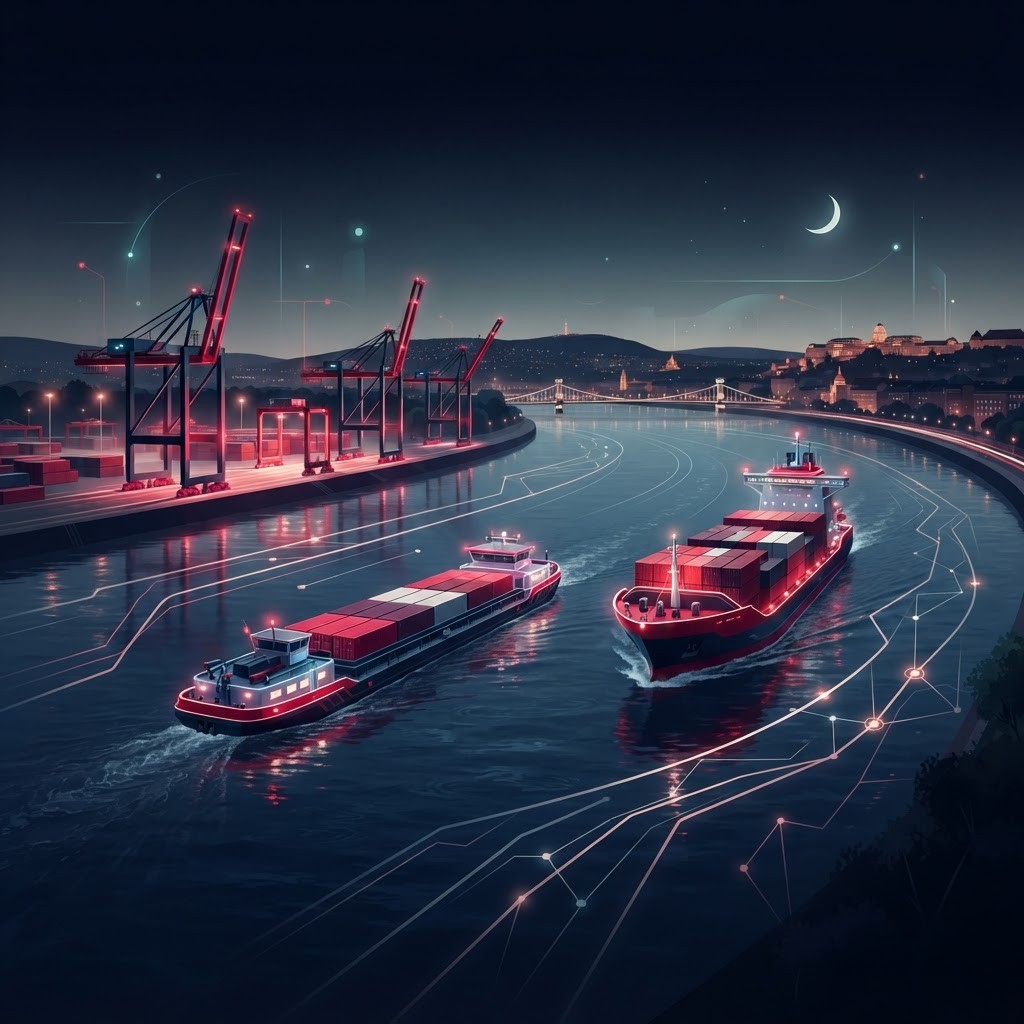
Although Hungary has no coastline, shipping plays a surprisingly significant role in its economy. The mighty Danube River flows through the heart of the country, offering a natural waterway that links Hungary to the Black Sea and, via canals, to the North Sea. This inland waterway carries bulk commodities such as grain, steel, and construction materials in an efficient and environmentally friendly manner.
Beyond river transport, Hungarian shipping companies specialize in freight forwarding and multimodal logistics, arranging the movement of goods by sea through major European ports. These firms serve as the crucial link between Hungarian exporters and importers and the global maritime network.
Leading Shipping Companies in Hungary
Mahart Container Center is a key name in Hungarian shipping, managing container handling and inland waterway operations along the Danube. It provides an important gateway for goods moving between Hungary and international sea ports.
Fluvius and other Danube shipping specialists operate barges and vessels that transport bulk cargo along the river, offering a low-emission alternative to road and rail for heavy goods.
Kuehne+Nagel Hungary delivers comprehensive sea freight forwarding, connecting Hungarian clients to global shipping lines through major European ports with reliable scheduling and documentation expertise.
DSV Hungary offers strong ocean freight services, combining competitive rates with a global network that simplifies international trade for local businesses.
Hödlmayr Hungária and other specialists handle particular cargo types, while forwarders such as DB Schenker Hungary provide integrated sea, air, and land solutions for complex supply chains.
What Sets the Best Shipping Firms Apart
In the shipping world, reliability and network reach are paramount. The best companies offer dependable schedules, clear communication, and strong relationships with global carriers that ensure cargo space even during peak demand. Expertise in customs clearance and international documentation is essential, as errors can cause costly delays.
For inland waterway operators, well-maintained vessels, efficient loading and unloading, and reliable transit along the Danube define quality. Multimodal capability, the ability to combine river, road, rail, and sea seamlessly, is increasingly valued by clients seeking cost-effective and sustainable transport.
Trends Shaping the Shipping Sector
Sustainability is a major driver in Hungarian shipping. Inland waterway transport is enjoying renewed interest as businesses look to reduce emissions, since moving bulk goods by barge is far less carbon-intensive than by truck. Investment in modern, fuel-efficient vessels supports this shift.
Digitalization is also transforming freight forwarding, with online booking platforms, electronic documentation, and real-time cargo tracking improving transparency and efficiency. Global supply-chain volatility has heightened the importance of flexible, resilient shipping partners who can adapt quickly to disruptions and reroute cargo when necessary.
Choosing the Right Shipping Partner
Selecting a shipping company in Hungary depends on the type of cargo, destination, and required transit time. Businesses shipping bulk commodities may benefit from Danube waterway operators, while those trading internationally will need forwarders with strong ocean-freight networks and customs expertise.
Reliability, financial stability, and the breadth of a provider's global connections are key considerations. A capable shipping partner not only moves goods but also offers guidance on routing, compliance, and cost optimization, adding real value to a business's international operations.
Conclusion
Despite its landlocked position, Hungary sustains a dynamic shipping sector rooted in the Danube and connected to the world through skilled freight forwarders. The companies profiled here bridge the gap between Hungarian commerce and global maritime trade. As sustainability and digitalization reshape the industry, these shipping specialists continue to offer efficient, reliable, and increasingly green solutions for moving goods across borders.
