
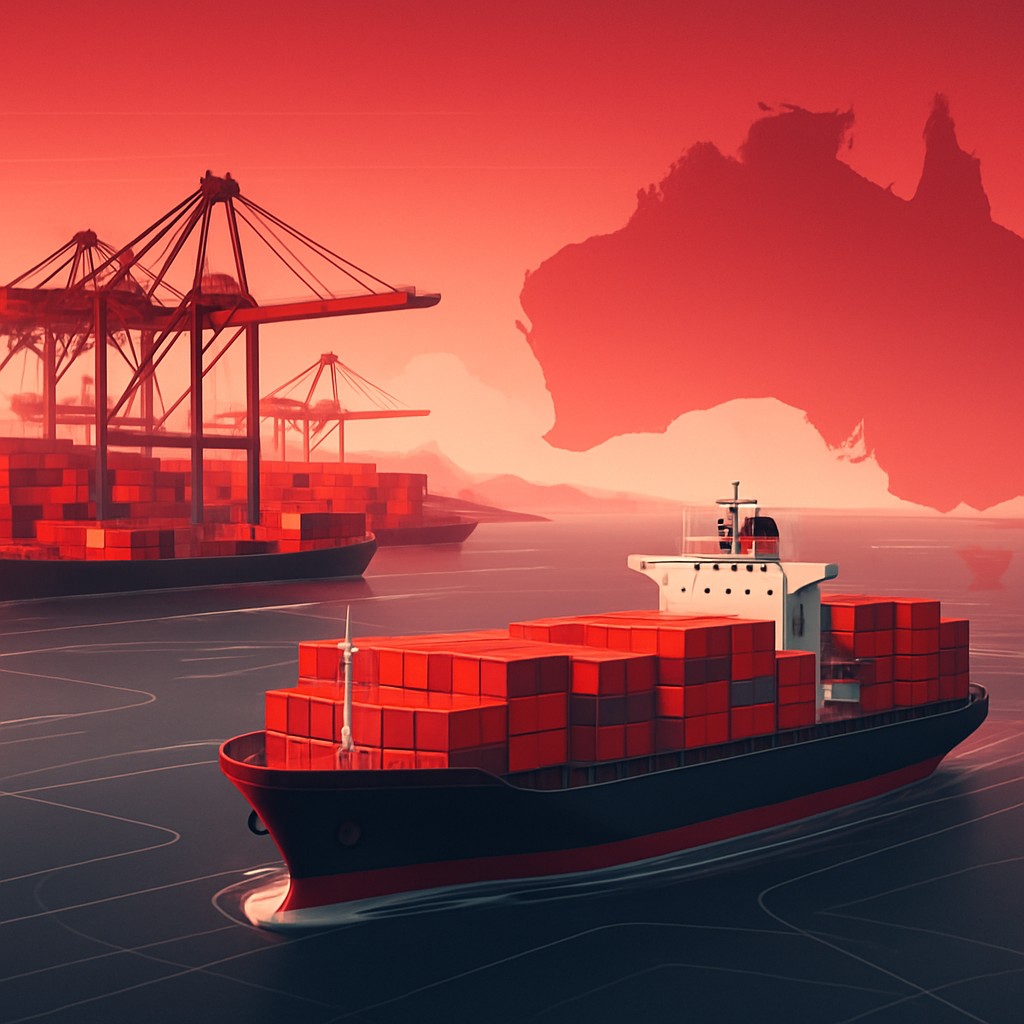
Shipping: Australia's Gateway to Global Trade
As an island nation, Australia depends profoundly on shipping to connect with the rest of the world. The vast majority of the country's international trade by volume moves by sea, from exporting minerals, grain, and agricultural products to importing manufactured goods, vehicles, and consumer products. Shipping companies and the ports they serve form the backbone of this trade, ensuring the efficient and reliable flow of goods across oceans. The maritime sector is sophisticated, globally integrated, and essential to the prosperity of the Australian economy.
What Makes a Leading Shipping Company
The best shipping companies combine reliable schedules, extensive global networks, and strong port relationships with advanced logistics capabilities. Customers value capacity, frequency, and the ability to handle diverse cargo types, from containers to bulk commodities and specialised freight. Reliability, transparent documentation, and compliance with international maritime regulations are essential. Leading providers also offer integrated services that connect ocean freight with inland transport and warehousing, supported by digital platforms that provide visibility and control throughout the shipping journey.
The Top 10 Shipping Companies
Maersk is one of the world's largest container shipping lines, offering extensive services to and from Australian ports with strong reliability. MSC Mediterranean Shipping Company provides comprehensive container shipping with a vast global network connecting Australia to major markets. CMA CGM is a leading container line known for its broad coverage and integrated logistics solutions.
ANL, a long-established Australian shipping brand, specialises in container services across the region and beyond. Hapag-Lloyd delivers dependable container shipping with strong connections to Asian, European, and American trade lanes. Swire Shipping offers regional and multipurpose shipping services with deep experience in the Pacific.
Hamburg Süd is recognised for reliable container services, particularly on key trade routes serving Australian exporters and importers. Ocean Network Express provides extensive container shipping capacity through a major global alliance. Wallenius Wilhelmsen specialises in vehicle and roll-on roll-off cargo, an important segment for the automotive industry. Completing the list, Sea Swift serves remote coastal and northern communities with vital marine freight and logistics services.
Types of Maritime Shipping
Australia's shipping industry handles a wide variety of cargo through different vessel types. Container ships carry the majority of manufactured and consumer goods in standardised units, enabling efficient handling at ports. Bulk carriers transport enormous volumes of commodities such as iron ore, coal, and grain, central to Australia's export economy. Roll-on roll-off vessels move vehicles and wheeled cargo, while tankers carry oil, gas, and chemicals. Specialised and project cargo services handle oversized and unusual freight, demonstrating the sector's versatility.
The Role of Australian Ports
Ports are critical nodes in the shipping network, serving as the interface between sea and land transport. Major facilities in cities such as Melbourne, Sydney, Brisbane, Fremantle, and Port Botany handle vast container volumes, while specialised ports in resource regions manage bulk commodity exports. Efficient port operations, including rapid loading and unloading, customs processing, and seamless connections to road and rail, are vital to keeping supply chains flowing. Ongoing investment in port infrastructure and automation supports growing trade volumes.
Technology and Sustainability
The maritime industry is embracing technology and sustainability in equal measure. Digital platforms provide real-time tracking, electronic documentation, and improved supply chain visibility. Larger, more fuel-efficient vessels and optimised routing reduce costs and emissions. The sector is also investing in cleaner fuels, energy-efficient designs, and emissions-reduction initiatives in line with international maritime environmental standards. Automation at ports and in vessel operations is enhancing efficiency and safety across the industry.
Trends Shaping Australian Shipping
Several trends are influencing the future of shipping in Australia. Global supply chain dynamics, trade agreements, and fluctuating demand affect shipping volumes and routes. The push for decarbonisation is driving investment in greener vessels and fuels. Digitalisation continues to streamline operations and improve transparency. Meanwhile, the importance of supply chain resilience, highlighted by recent global disruptions, has prompted greater focus on reliability, flexibility, and contingency planning across the maritime sector.
Choosing the Right Shipping Partner
Selecting a shipping company depends on the nature of your cargo, trade routes, and service requirements. Container importers and exporters should evaluate schedule reliability, network coverage, and integrated logistics options. Businesses moving bulk or specialised cargo need partners with the right vessel capabilities and experience. Consider transit times, pricing, documentation support, and digital tracking. A strong reputation, regulatory compliance, and responsive customer service are essential for a dependable long-term partnership.
Conclusion
Shipping companies are indispensable to Australia's role in global trade, connecting the nation's exporters and importers to markets around the world. Global container leaders such as Maersk, MSC, and CMA CGM, alongside specialists like Wallenius Wilhelmsen and regional operator Sea Swift, ensure goods move reliably across the seas. As the industry advances toward greater digitalisation and sustainability, choosing a capable and trusted shipping partner remains crucial for businesses navigating the world of international maritime trade.
