
Why Quality Seeds Matter in Cameroon
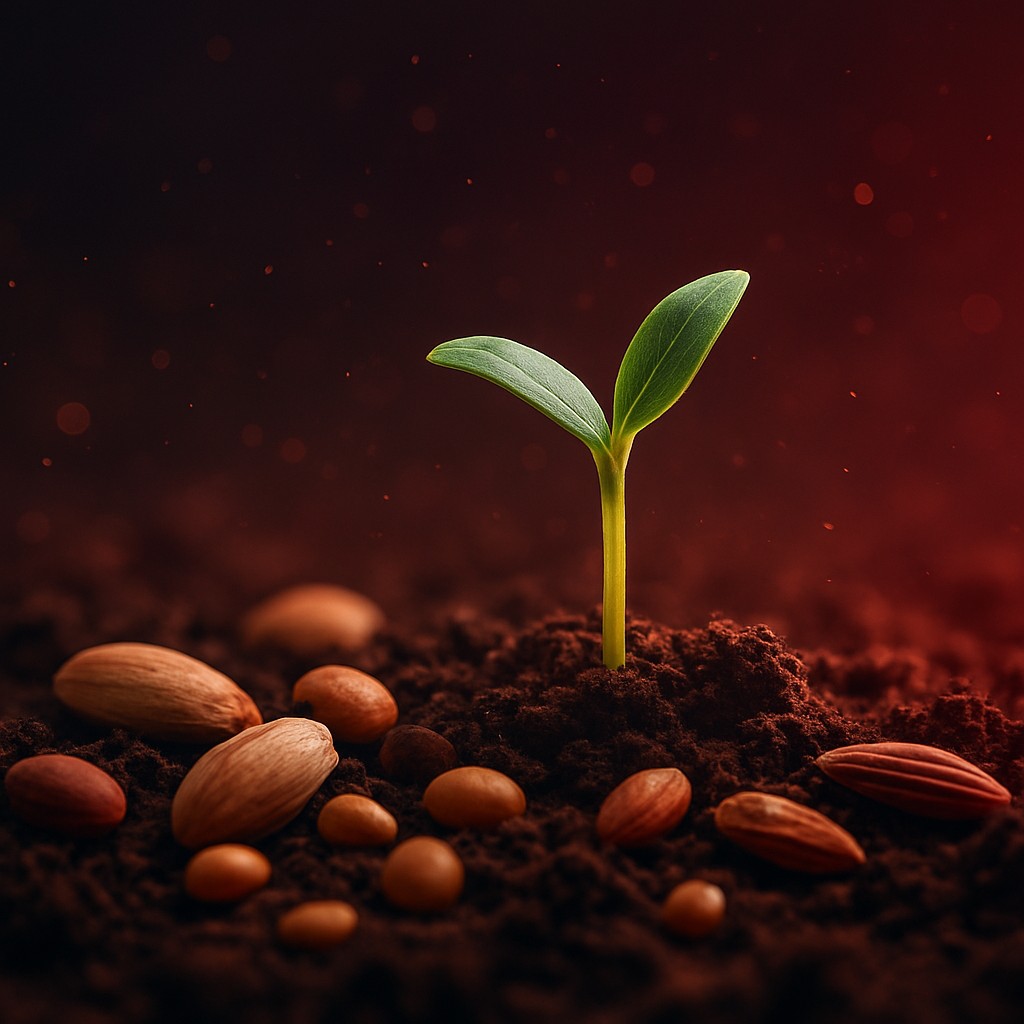
Seeds are the starting point of every harvest, and the quality of seed used directly determines a farmer's yield, crop resilience, and profitability. In Cameroon, where agriculture supports a large share of the population, access to improved, certified, and high-yielding seed varieties is essential for food security and rural prosperity. Seed companies are the unsung heroes of the agricultural value chain, developing and distributing the genetic material that underpins productive farming.
These companies supply seeds for staple crops such as maize, rice, and beans, as well as vegetables, cash crops, and forage. The best among them invest in research, quality control, and farmer education to ensure that improved seeds translate into real gains in the field.
What Sets Top Seed Companies Apart
Leading seed companies in Cameroon are distinguished by the quality and reliability of their seed, robust certification and testing processes, and a portfolio of varieties suited to local climates and pests. They prioritize traits such as high yield, disease resistance, drought tolerance, and early maturity. Strong distribution networks and farmer support, including guidance on planting and crop management, further set them apart.
Leading Seed Companies in Cameroon
IRAD (Institute of Agricultural Research for Development) plays a foundational role in developing improved seed varieties adapted to Cameroon's diverse agro-ecological zones, supporting both research and dissemination of quality seed.
Semry Seeds is closely associated with rice production in the northern regions, supplying improved rice seed that has helped boost yields and strengthen food security.
Green Harvest Seeds offers a broad catalog of vegetable and food crop seeds, focusing on high-germination, reliable varieties favored by both smallholders and commercial growers.
Agro-Seed Cameroon specializes in certified maize and legume seeds, emphasizing quality assurance and traceability to give farmers confidence in their planting material.
Tropical Seed Company provides a wide range of seeds suited to tropical conditions, including disease-resistant and high-yield varieties for multiple crops.
Highland Vegetable Seeds focuses on the cooler highland regions, supplying vegetable seed varieties tailored to local growing conditions and market demand.
Sahel Resilient Seeds concentrates on drought-tolerant and early-maturing varieties for the drier northern zones, helping farmers adapt to climate variability.
Cameroon Hybrid Seeds develops and distributes hybrid varieties that deliver higher yields and improved performance for farmers seeking maximum productivity.
FarmGrow Seed Supply combines seed distribution with agronomic support, offering farmers guidance on variety selection and best planting practices.
Central Seed Distributors serves as a key link between seed producers and farmers nationwide, ensuring reliable access to certified seed across regions.
Trends in the Seed Industry
The Cameroonian seed sector is evolving rapidly. There is growing emphasis on certified and improved seed to replace recycled or uncertified planting material, which often yields poorly. Investment in research and breeding is producing varieties better adapted to local pests, diseases, and changing climate conditions. Drought tolerance and early maturity are particularly valued as farmers contend with shifting rainfall patterns.
Farmer education is another important trend. Leading seed companies recognize that quality seed performs best when paired with good agronomic practices, so they increasingly offer training and advisory services. Strengthening seed distribution networks, especially in rural areas, also remains a priority to ensure that improved varieties reach the farmers who need them most.
The Impact of Quality Seed on Food Security
Access to quality seed has a direct and powerful impact on food security and farmer incomes. Improved varieties can dramatically increase yields, reduce crop losses, and enhance resilience to environmental stress. By investing in research, certification, and distribution, seed companies help lift productivity across the agricultural sector and contribute to a more secure and prosperous food system.
Conclusion
Seed companies are foundational to the success of Cameroonian agriculture, supplying the improved varieties that make higher yields and greater resilience possible. The companies featured here are leaders in research, quality, and farmer support. As demand for productive and climate-resilient farming grows, these seed companies will continue to play a pivotal role in feeding Cameroon and empowering its farmers.
