
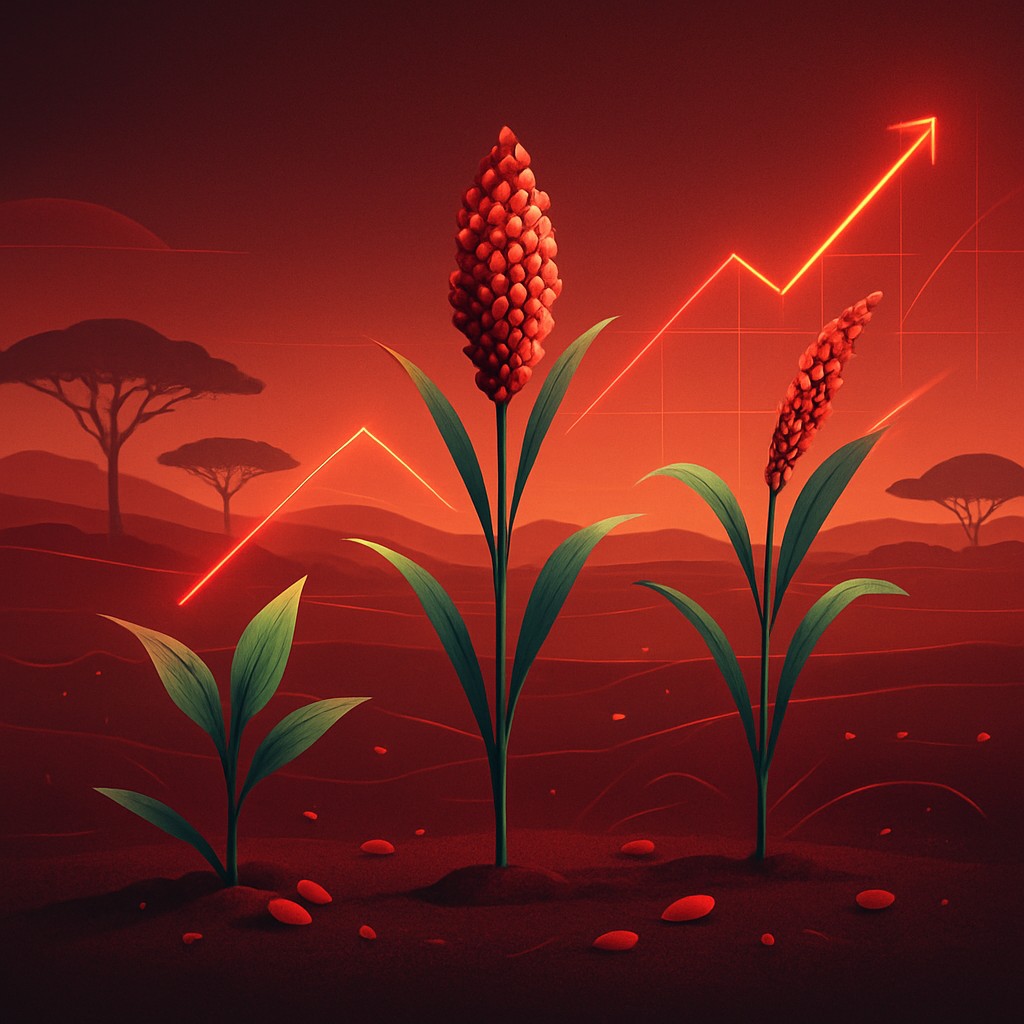
The Backbone of Burkina Faso's Agriculture
Agriculture employs roughly 80 percent of Burkina Faso's population and remains the cornerstone of the national economy. In a landlocked Sahelian country where rainfall is unpredictable and soils are often fragile, access to high-quality, certified seed is one of the most decisive factors separating a successful harvest from a failed one. Improved seed varieties that tolerate drought, resist pests, and mature quickly can dramatically lift the productivity of staple crops such as sorghum, millet, maize, cowpea, and sesame.
Over the past two decades, a dynamic seed sector has emerged in Burkina Faso, supported by national research bodies, private seed enterprises, farmer cooperatives, and development partners. The following companies and organizations stand out for their contribution to certified seed production, distribution, and innovation.
1. INERA (Institut de l'Environnement et de Recherches Agricoles)
INERA is the national agricultural research institute and the source of most improved seed varieties cultivated in the country. Its breeders develop and release foundation seed for cereals, legumes, and cash crops, which private companies then multiply. INERA's research stations across the country adapt varieties to local agro-ecological zones, making it the intellectual engine of the seed industry.
2. NAFASO (Neema Agricole du Faso)
NAFASO is widely regarded as one of the largest and most influential private seed companies in West Africa. Based in Bobo-Dioulasso, it produces certified seed for maize, rice, cowpea, sorghum, and vegetables. The company is known for its strong network of contract growers and its commitment to making improved seed affordable and accessible to smallholder farmers.
3. Faso Kaba
Although founded in neighboring Mali, Faso Kaba has built a meaningful presence across the Sahel, including Burkina Faso. The company specializes in certified cereal and legume seed and is recognized for empowering women in the agricultural value chain. Its focus on quality control and farmer training has earned it a strong regional reputation.
4. AgriTech Faso
AgriTech Faso represents the new generation of agribusiness in the country, combining certified seed distribution with advisory services. The company supports farmers with guidance on planting density, fertilization, and pest management, helping ensure that improved seed delivers its full genetic potential in the field.
5. Coopérative Wend-Yam
This farmer cooperative has grown into a respected seed multiplier, producing certified seed under contract and supplying surrounding communities. Cooperatives like Wend-Yam play a vital role in decentralizing seed production and keeping quality seed close to rural farmers who might otherwise struggle with access.
6. SOPROFA Seeds
SOPROFA focuses on horticultural and vegetable seed, an increasingly important segment as urban demand for fresh produce grows. Tomatoes, onions, okra, and leafy greens are central to its portfolio, and its seed supports market gardeners around Ouagadougou and Bobo-Dioulasso.
7. Tropical Seeds Burkina
Tropical Seeds has carved out a niche supplying hybrid maize and improved rice varieties suited to irrigated and lowland systems. Its emphasis on high-yielding hybrids appeals to commercially oriented producers seeking maximum output per hectare.
8. Semence du Sahel
True to its name, Semence du Sahel concentrates on drought-tolerant and short-cycle varieties tailored to the harsh climate of the northern regions. Its work is especially valuable for farmers facing erratic rainfall and shortened growing seasons driven by climate change.
9. Cooperative Benkadi
Benkadi unites producers around the multiplication of cowpea and sesame seed, two crops with strong export and nutritional value. By aggregating supply and ensuring certification standards, the cooperative helps members access premium markets.
10. Faso Agro Seeds
Faso Agro Seeds rounds out the list with a broad catalogue spanning cereals, legumes, and oilseeds. The company invests in storage and conditioning infrastructure to preserve seed viability, addressing a common challenge in tropical climates where humidity and pests can quickly degrade quality.
Industry Trends and What to Look For
The Burkinabè seed sector is shaped by several trends. Climate adaptation is driving demand for drought-tolerant and early-maturing varieties. Quality certification, overseen by national authorities, gives farmers confidence in germination rates and varietal purity. Meanwhile, public-private partnerships continue to strengthen the link between research and commercial multiplication.
When selecting a seed supplier, farmers should prioritize certified seed with clear labeling, verify the variety's suitability for their local zone, and consider companies that pair seed with agronomic support. Investing in quality seed is one of the most reliable ways to raise yields, improve household income, and strengthen national food security.
Conclusion
From research powerhouses like INERA to commercial leaders such as NAFASO and grassroots cooperatives, Burkina Faso's seed companies form a vibrant ecosystem committed to feeding a growing population. As climate pressures intensify, their role in delivering resilient, high-performing seed will only become more essential to the future of Sahelian agriculture.
