
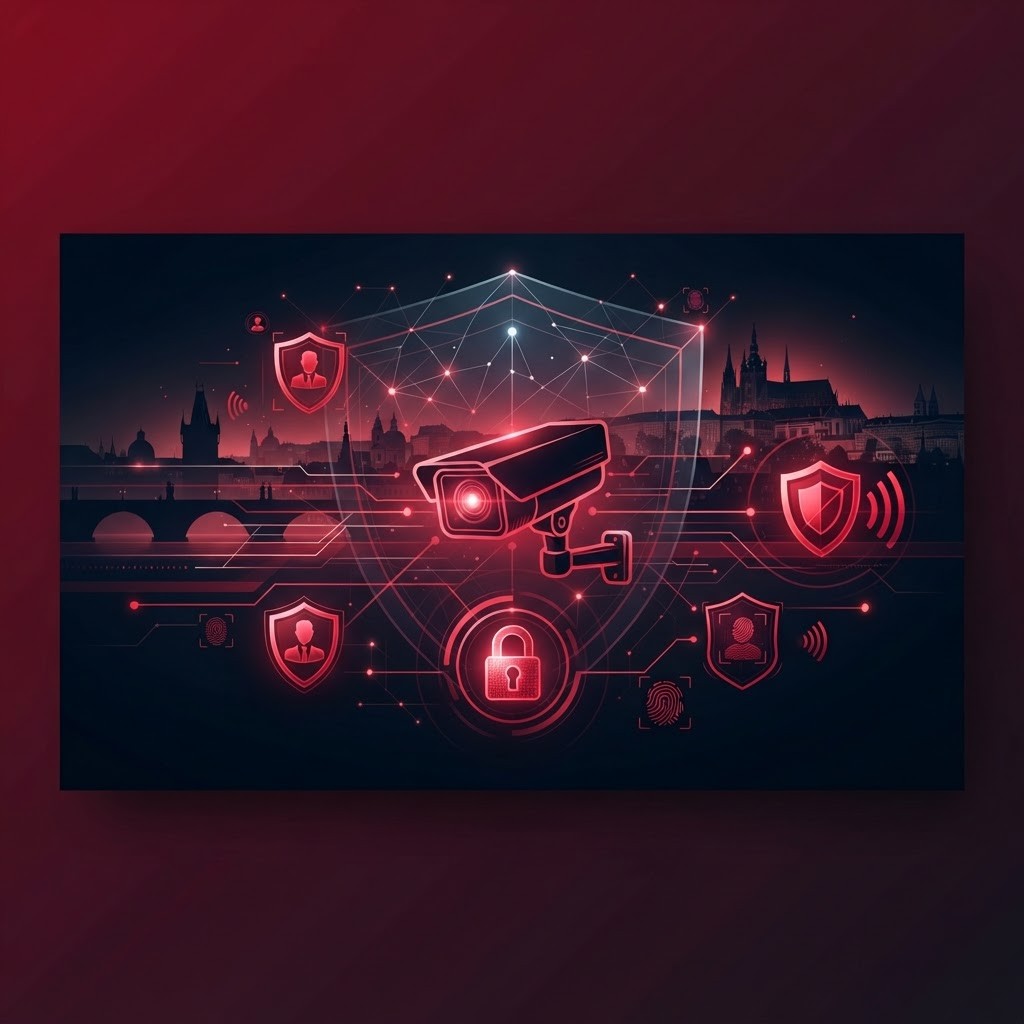
The Growing Security Industry in the Czech Republic
The private security sector in the Czech Republic has evolved into one of the most professionally organized markets in Central Europe. As Prague, Brno, Ostrava, and other cities continue to attract international business, manufacturing, logistics, and tourism, the demand for reliable protection services has grown steadily. Companies now expect far more than a uniformed guard at the door; they want integrated solutions that blend human expertise with advanced technology such as remote monitoring, access control, and rapid mobile response.
Czech security providers operate under strict national licensing requirements and increasingly align themselves with European standards. This regulatory environment has helped raise the quality of training, background vetting, and operational transparency across the industry, giving clients confidence that they are dealing with accountable professionals.
What Defines a Leading Security Company
The best security firms in Czechia share several defining traits. They invest heavily in staff training, ensuring that guards and specialists understand not only physical protection but also customer service, de-escalation, fire safety, and emergency procedures. They also maintain 24/7 monitoring centers, well-equipped mobile patrol fleets, and clearly documented reporting systems so clients can verify performance.
Equally important is adaptability. A modern provider must serve a wide spectrum of clients, from small retail shops to large industrial parks, data centers, and government facilities. The leaders in the market build tailored security plans rather than offering one-size-fits-all packages.
Top 10 Security Companies to Know
1. Securitas ČR is one of the most recognizable names in the country, offering guarding, mobile patrols, remote surveillance, and specialized corporate security. Its global backing brings standardized processes and extensive training resources.
2. G4S Czech Republic is another international leader with a strong presence in cash logistics, manned guarding, and integrated electronic security systems for banks, retailers, and large enterprises.
3. Mark2 Corporation Czech is a respected domestic firm known for physical guarding, reception services, and facility protection across commercial and public sector clients.
4. ABAS IPS Management focuses on comprehensive facility and property protection, combining trained personnel with technical security installations and monitoring.
5. D.I.SEVEN has built a reputation in event security, VIP protection, and complex risk management for high-profile occasions and corporate functions.
6. Wakkenhat Security provides guarding, mobile intervention units, and alarm response, emphasizing quick reaction times and dependable field operations.
7. Group 4 Security services and similar mid-sized regional providers serve industrial zones and logistics hubs where perimeter control and access management are critical.
8. SSI Group is known for combining guarding with modern technology, including CCTV monitoring, access systems, and centralized dispatch.
9. Argus Security offers a broad portfolio spanning retail loss prevention, residential protection, and commercial guarding with a focus on customer-friendly service.
10. Trade FIDES stands out on the technology side, specializing in electronic security systems, integrated building safety, and advanced surveillance infrastructure that complements physical guarding.
Key Services Offered
Across these companies, clients can expect a consistent range of core services. Manned guarding remains the foundation, covering entrances, reception areas, warehouses, and public venues. Mobile patrols provide flexible coverage for multiple sites, while alarm response teams offer rapid intervention when sensors or cameras detect a problem.
Beyond human presence, technical services have become central. Remote video monitoring, intrusion detection, access control, and fire safety integration allow providers to protect large spaces efficiently. Cash-in-transit and valuables logistics are specialized offerings from the largest players, requiring armored vehicles and rigorous protocols.
Industry Trends Shaping the Market
Several trends are transforming security in the Czech Republic. The first is the shift toward technology-driven protection, where analytics, smart cameras, and centralized command centers reduce reliance on sheer manpower while improving coverage. The second is the rising importance of cybersecurity awareness, as physical and digital risks increasingly overlap in modern facilities.
Sustainability and professionalism are also gaining attention. Clients want partners who treat their staff fairly, invest in continuous training, and maintain transparent reporting. This has pushed leading firms to differentiate themselves through certifications, ethical labor practices, and measurable service quality.
Choosing the Right Partner
Selecting a security company should begin with a clear assessment of risk. A retailer worried about shoplifting has very different needs than a data center concerned with restricted access and business continuity. Buyers should evaluate a provider's licensing, training standards, response capabilities, and technology stack, as well as its track record with similar clients.
References, transparent contracts, and clearly defined performance metrics are essential. The strongest relationships are built on communication, where the security partner acts as a proactive advisor rather than a passive service supplier.
The Role of Technology and Integration
Technology has fundamentally reshaped how security is delivered in the Czech Republic. Leading providers now operate centralized command centers where video feeds, alarm signals, and access data converge, allowing operators to detect and respond to incidents across many sites simultaneously. Intelligent video analytics can flag unusual movement, unattended objects, or perimeter breaches automatically, reducing human error and enabling faster intervention.
Integration is the key theme. Rather than treating guards, cameras, and alarms as separate tools, top firms combine them into a single coordinated system. This layered approach improves coverage while controlling costs, and it gives clients detailed data they can use to refine their security strategy over time. As buildings become smarter and more connected, this convergence of physical and digital security will only deepen.
Conclusion
The Czech Republic offers a robust and competitive security market with providers capable of protecting everything from small shops to critical infrastructure. Whether a business prioritizes traditional guarding, cutting-edge monitoring, or fully integrated solutions, the companies highlighted here represent the professionalism, reliability, and innovation that define the country's leading security sector.
