
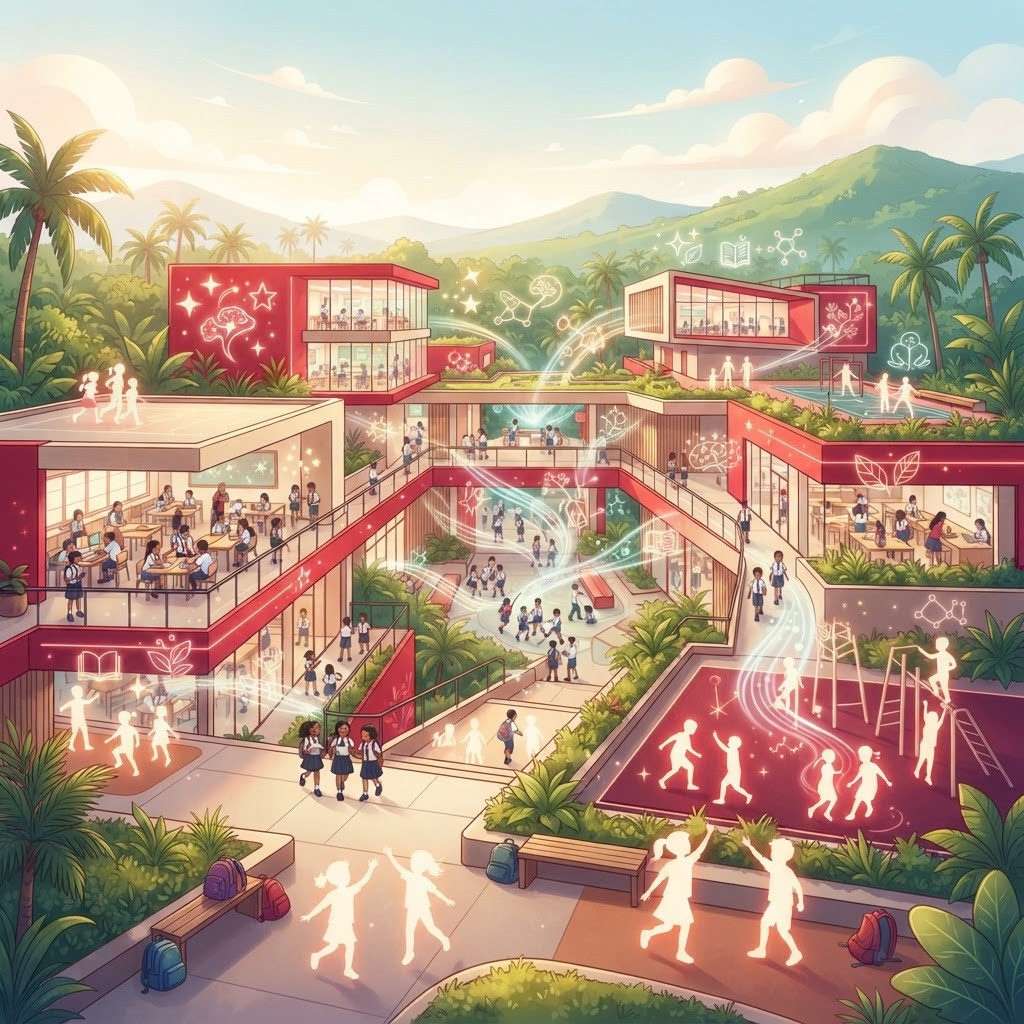
The Landscape of School Education in Nicaragua
Education is a cornerstone of national development in Nicaragua, and the country's schools play a fundamental role in shaping young minds. From bilingual academies in Managua to community-focused institutions in regional cities, Nicaraguan schools offer a wide spectrum of educational philosophies. Parents today seek schools that not only deliver strong academics but also nurture character, creativity, and global awareness.
Over the past decade, demand for quality primary and secondary education has grown steadily, prompting many schools to invest in modern facilities, updated curricula, and well-trained teachers. Bilingual instruction, international accreditation, and extracurricular enrichment have become increasingly common features among the country's most respected institutions.
What Defines an Excellent School
The best schools share several characteristics. Academic excellence remains central, measured through strong learning outcomes, university placement rates, and rigorous yet supportive teaching. Equally important is a holistic approach that develops students socially, emotionally, and physically through arts, sports, and leadership opportunities.
Qualified and passionate teachers are the backbone of any great school, and leading institutions prioritize professional development and low student-to-teacher ratios. Safe, well-equipped campuses with libraries, laboratories, and technology further enhance the learning experience. Finally, a strong sense of community and shared values helps students feel supported and motivated.
Top Schools to Consider in Nicaragua
Colegio Americano Nicaragüense is one of the most prestigious bilingual schools in the country. Known for its rigorous English-Spanish curriculum and international accreditation, it prepares students for both national and overseas higher education with a strong emphasis on academic achievement.
Lincoln International Academy offers an internationally minded education with an American-based curriculum. It is highly regarded for its advanced placement offerings, modern facilities, and emphasis on developing globally competitive graduates.
Colegio Centroamérica is a long-established Jesuit institution that combines strong academics with values-based formation. Its reputation for discipline, service, and academic excellence has made it a trusted choice for families for generations.
Colegio Alemán Nicaragüense provides a German-influenced education with trilingual instruction and a focus on science and mathematics. Its rigorous standards and cultural exchange opportunities attract families seeking an international perspective.
Notre Dame School is recognized for its bilingual program and its balance of academic strength and character development, offering students a nurturing environment alongside high expectations.
Colegio Teresiano delivers a values-centered education rooted in a strong academic tradition. It is well regarded for its supportive community and its focus on both intellectual and personal growth.
Colegio Pureza de María offers a well-rounded curriculum emphasizing discipline, faith-based values, and academic achievement, with a long-standing reputation for producing capable and grounded graduates.
American Nicaraguan International School focuses on inquiry-based learning and bilingual education, encouraging critical thinking and creativity within a modern, resource-rich campus environment.
Colegio Bautista is respected for its affordable quality education and strong community ties, delivering solid academics along with moral and character education.
Colegio Modern American School rounds out the list with a bilingual, technology-integrated program designed to prepare students for a rapidly changing world while maintaining a warm, family-oriented atmosphere.
Trends Shaping Nicaraguan Schools
Several trends are influencing school education across Nicaragua. Bilingual and multilingual instruction continues to expand as families recognize the value of English and other languages for future opportunities. Technology integration has accelerated, with more schools adopting digital learning tools, computer labs, and blended-learning approaches.
There is also growing emphasis on social-emotional learning and student wellbeing, reflecting a broader understanding that academic success depends on healthy, confident learners. Environmental education and community service programs are increasingly common, helping students develop responsibility and civic awareness from an early age.
Choosing the Right School for Your Child
Selecting a school is one of the most important decisions a family can make. Parents should consider the school's academic reputation, teaching philosophy, and language of instruction. Visiting campuses, meeting teachers, and observing the school culture can provide valuable insight into whether an institution is the right fit.
Practical factors such as location, class sizes, extracurricular offerings, and fees also play a role. Ultimately, the best school is one that aligns with a family's values and supports the individual needs, interests, and aspirations of the child.
Conclusion
Nicaragua's leading schools offer a rich array of educational opportunities, from bilingual academies to values-driven institutions with deep community roots. Each of the schools featured here contributes to raising well-rounded, capable students prepared to succeed in higher education and beyond. By carefully evaluating academics, culture, and fit, families can find an environment where their children will thrive and grow into confident, thoughtful individuals.
As Nicaragua continues to invest in the quality of its education, the outlook for students has never been more promising. Families who take the time to research their options, engage with school communities, and remain involved in their children's learning will find that the effort pays dividends for a lifetime. A strong school foundation not only prepares students for academic milestones but also instills the curiosity, resilience, and values that define successful, well-rounded adults.
