
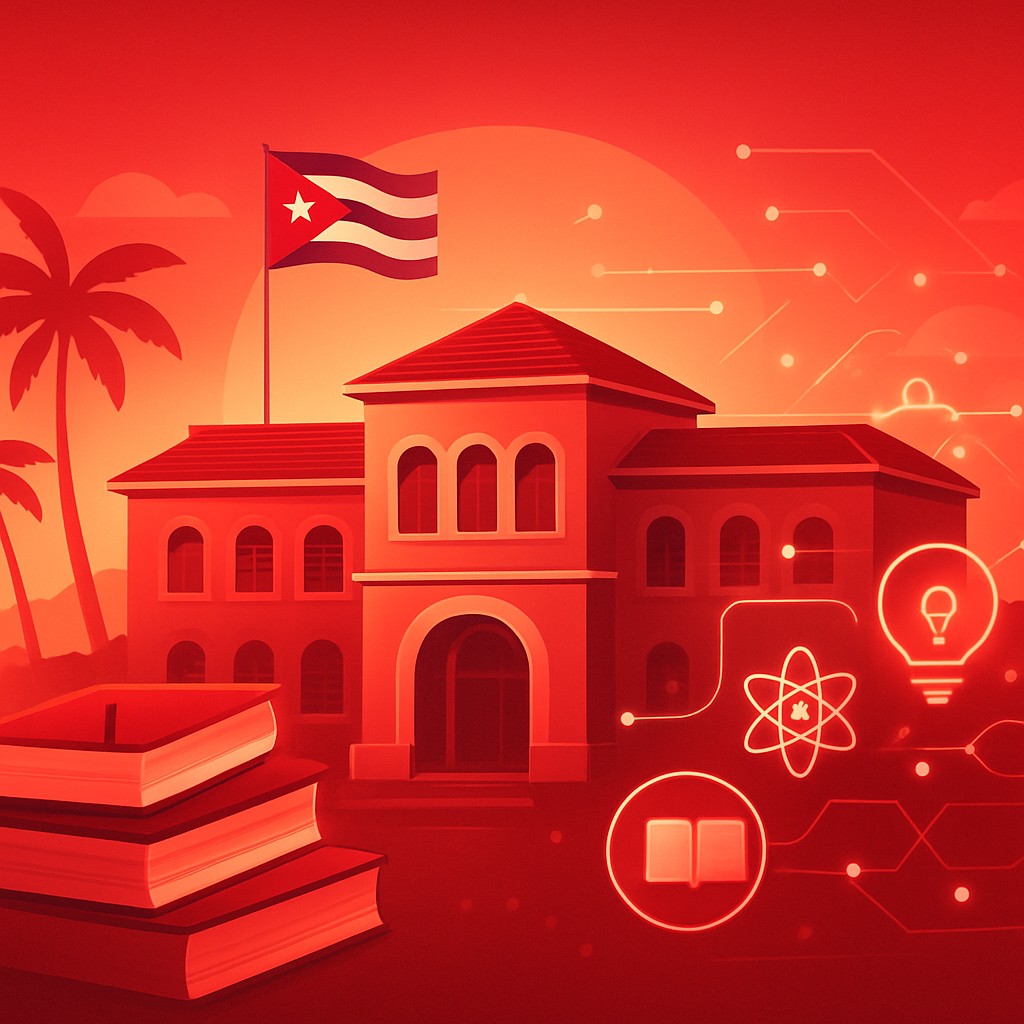
Cuba's Reputation for Educational Excellence
Cuba has long been celebrated for its commitment to education, achieving high literacy rates and a strong culture of learning that begins in early childhood. The island's schools form the foundation of this achievement, providing structured, comprehensive instruction that emphasizes academic rigor, character development, and civic responsibility. For families seeking quality education for their children, Cuba offers a network of respected institutions known for dedicated teachers and well-rounded curricula.
From primary schools that build essential skills to secondary institutions that prepare students for higher education, Cuban schools play a pivotal role in shaping the nation's future. This guide highlights leading schools recognized for their educational quality and contributions to student success.
What Defines a Top School in Cuba
The best schools in Cuba share several defining characteristics. They maintain high academic standards, supported by experienced and committed teachers who foster a love of learning. Strong curricula emphasize core subjects such as mathematics, science, language, and the arts, while also nurturing critical thinking and creativity.
Beyond academics, top schools cultivate discipline, values, and a sense of community. They provide supportive environments where students feel encouraged to excel and where extracurricular activities, cultural engagement, and physical education complement classroom learning. A focus on holistic development distinguishes the most respected institutions.
Leading Schools in Cuba
Lenin Vocational Pre-University School in Havana is among the most prestigious institutions on the island, known for its rigorous academics and selective admission. It has a strong reputation for preparing high-achieving students for university and professional success.
Carlos Marx School is recognized for its solid academic foundation and disciplined learning environment, serving as a respected option for families seeking quality primary and secondary education.
José Martí Primary School embodies the values associated with Cuba's national hero, offering foundational education with an emphasis on character and citizenship alongside academic skills.
Camilo Cienfuegos Military School (Camilitos) provides structured education with a focus on discipline and leadership, preparing students for various paths including service-oriented careers.
Vladimir Ilich Lenin School continues to be associated with academic excellence and a strong tradition of nurturing talented students across multiple disciplines.
Additional notable institutions include Saúl Delgado Pre-University School in Havana, valued for its academic standards; special arts schools that cultivate young talent in music, dance, and visual arts; sports-focused schools (EIDE) that develop athletic ability alongside academics; provincial pre-university institutions that serve high-achieving students across regions; and well-regarded neighborhood primary schools that provide strong foundational education within their communities.
The Structure of Cuban Education
Cuban schooling follows a structured progression designed to build knowledge systematically. Primary education establishes essential literacy, numeracy, and foundational understanding. Secondary education deepens subject knowledge and introduces more specialized study, while pre-university institutions prepare students for higher education through advanced coursework.
Vocational and specialized schools, including those focused on arts, sports, and technical fields, offer tailored paths for students with particular talents or interests. This layered system ensures that learners receive education suited to their abilities and aspirations, contributing to Cuba's strong educational outcomes.
Benefits of Quality Schooling in Cuba
Attending a top school in Cuba offers students numerous advantages. Strong academic preparation equips learners with the knowledge and skills needed for higher education and professional life. Dedicated teachers and supportive environments foster confidence, discipline, and a lifelong appreciation for learning.
The emphasis on values and citizenship helps shape well-rounded individuals who contribute positively to their communities. Specialized schools further allow talented students to develop their gifts in arts, sports, and other fields, opening doors to diverse opportunities. The overall result is an educational experience that prepares young people for meaningful futures.
Trends in Cuban Primary and Secondary Education
Cuban education continues to uphold its strong traditions while adapting to changing times. There is ongoing emphasis on maintaining academic quality, supporting teachers, and integrating practical skills alongside theoretical knowledge. Interest in science, technology, and the arts remains robust, with specialized schools playing an important role in nurturing talent.
Efforts to keep curricula relevant and to support student well-being reflect a commitment to holistic education. As the island navigates broader developments, its schools remain a source of national pride and a cornerstone of opportunity for young Cubans.
The Role of Teachers in Cuban Schools
At the heart of Cuba's educational success are its dedicated teachers, who are widely regarded as the foundation of quality schooling. Cuban educators undergo rigorous training and bring deep commitment to their work, often forming close relationships with students and families. Their emphasis on discipline, encouragement, and high expectations helps cultivate motivated learners who take pride in their achievements. Even in the face of resource constraints, teachers demonstrate remarkable creativity and dedication, finding ways to engage students and maintain academic standards. This strong teaching culture is a key reason why Cuban schools consistently produce well-prepared graduates. Families choosing a school often place great value on the reputation and devotion of its teaching staff, recognizing that committed educators make a lasting difference in shaping young minds and inspiring lifelong learning.
Conclusion
Cuba's top schools embody the island's enduring commitment to education, offering students rigorous academics, dedicated teaching, and supportive environments. From prestigious pre-university institutions to specialized arts and sports schools, these establishments lay the groundwork for student success and national achievement. Families seeking quality education will find in Cuba a tradition of excellence that continues to shape bright futures.
