
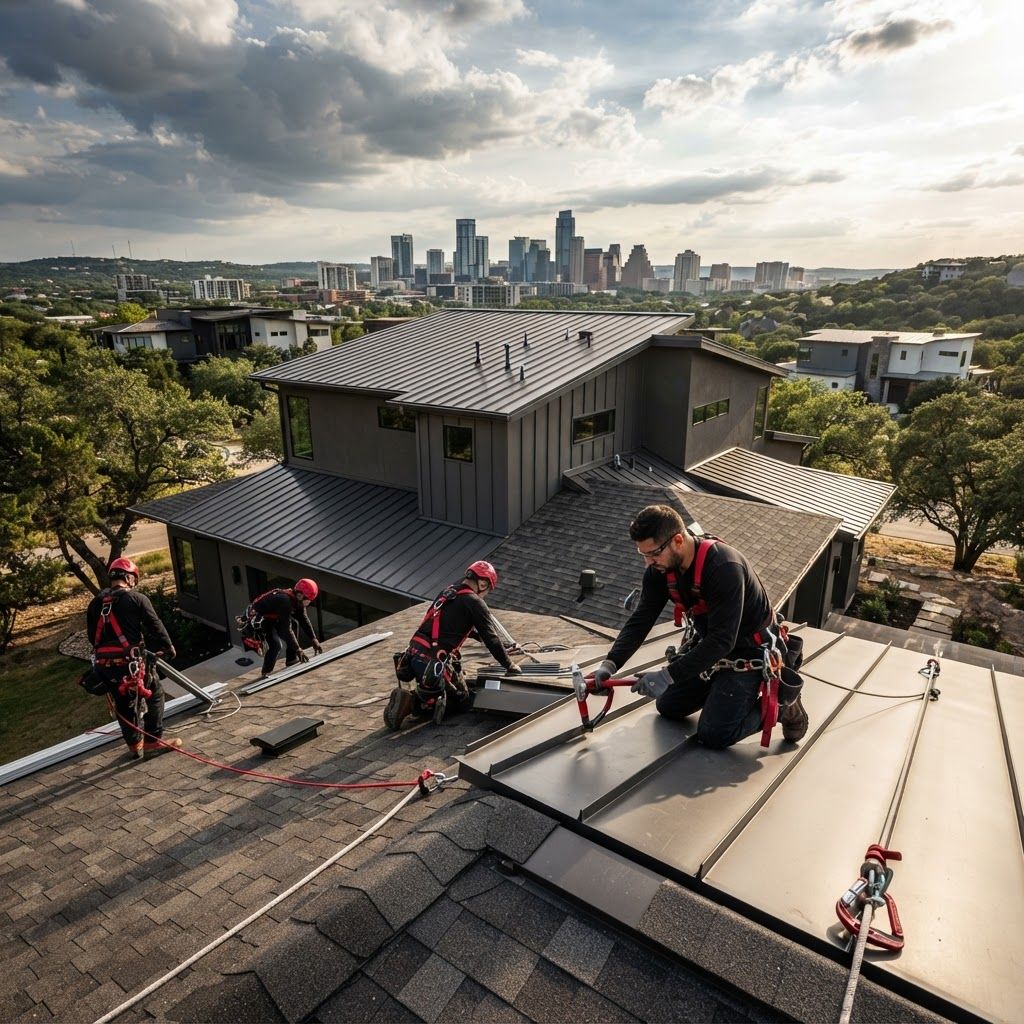
Why Roofing Quality Is Critical in Central Texas
Few home components work as hard as a roof in Austin. The region's punishing summer heat, sudden thunderstorms, and frequent hail events place enormous stress on roofing systems year after year. A well-installed, high-quality roof protects a property's structure, improves energy efficiency, and preserves resale value. Conversely, a poorly executed roof can lead to leaks, mold, and expensive interior damage. That is why choosing a skilled, reputable roofing contractor is one of the most important decisions a homeowner or business can make.
Austin's roofing market includes a wide range of materials, from traditional asphalt shingles to durable metal roofing and energy-efficient reflective systems. The best contractors help clients select the right solution for their climate, budget, and aesthetic while backing their work with solid warranties and honest service.
What Makes a Roofing Contractor Trustworthy
Reliable roofing contractors combine technical skill with integrity. They perform thorough inspections, provide detailed written estimates, and clearly explain repair versus replacement options. Proper licensing, insurance, and manufacturer certifications signal professionalism and accountability. In a market where storm-chasing operators sometimes appear after major weather events, established local reputation carries significant weight.
Quality installation is only part of the equation. Top contractors also assist with insurance claims, offer transparent pricing, and stand behind their workmanship long after the job is complete. The companies below have earned lasting trust throughout the Austin area.
The Best Roofing Contractors in Austin
Longhorn Roofing is a well-established local name recognized for dependable residential and commercial work. Schulte Roofing brings decades of experience and a strong reputation for storm-damage expertise across Central Texas.
Guardian Roofing emphasizes quality materials and thorough craftsmanship, while Longhorn State Roofing offers responsive service and reliable installations. Roof-ranger has built a loyal following through honest assessments and clean workmanship.
Texas Traditions Roofing is praised for professionalism and clear communication, and Presidio Roofing delivers strong results on both repairs and replacements. Ja-Mar Roofing & Sheet Metal contributes extensive commercial and residential expertise.
Lon Smith Roofing is known for its long regional history and customer-focused service, and Austin Roofing and Construction rounds out the list with comprehensive roofing and exterior solutions.
Roofing Trends and Innovations
Energy efficiency is driving demand for reflective and cool-roof technologies that reduce heat absorption and lower cooling costs during long Texas summers. Metal roofing continues to gain popularity thanks to its longevity, durability against hail, and clean modern appearance. Impact-resistant shingles are also increasingly common, offering better protection and sometimes qualifying homeowners for insurance discounts.
Sustainability plays a growing role as well, with more contractors offering recyclable materials and improved attic ventilation systems that extend roof life. These advances help homeowners protect their investment while managing energy expenses responsibly.
Inspections, Estimates, and Storm Claims
A proper roof evaluation examines more than the visible shingle surface. Contractors should inspect flashing, penetrations, valleys, ventilation, decking conditions, drainage, and attic evidence of moisture. They should document findings with photographs and distinguish immediate failures from routine aging. After hail or wind, this evidence can help property owners understand the damage, but a roofer should never promise that an insurer will approve a claim. The contractor's role is to provide accurate construction information and complete agreed repairs professionally.
Estimates should identify the roofing system, underlayment, flashing approach, ventilation work, disposal, and protection for landscaping. Homeowners should ask whether deteriorated decking is priced separately and how unexpected conditions will be approved. They should also verify which manufacturer warranty and workmanship warranty apply. Product warranties do not replace good installation, and exclusions should be understood before a contract is signed.
Preparing for the Roofing Project
Roof replacement is noisy and temporarily disruptive, but good planning limits inconvenience. Contractors should explain material delivery, driveway access, daily cleanup, magnetic nail collection, and weather procedures. Owners can protect fragile items in the attic, move vehicles away from the work zone, and notify neighbors about the schedule. For commercial properties, phased work and clearly marked access routes can help operations continue safely.
Final inspection should confirm flashing details, ventilation, sealants, gutters, and cleanup. Owners should receive warranty paperwork and a record of materials used. Periodic inspections after severe storms and routine clearing of roof drainage can then extend service life. This combination of sound installation and preventive care provides better long-term protection than waiting for a ceiling stain to reveal a problem.
For multifamily or commercial roofs, ask how the contractor will coordinate rooftop equipment, tenant notices, and moisture protection during phased work.
Choosing Your Roofing Contractor
When hiring a roofing contractor, homeowners should verify credentials, request references, and review warranty terms carefully. A trustworthy contractor provides a detailed contract, communicates clearly throughout the project, and never pressures clients into rushed decisions. The contractors highlighted here have demonstrated the reliability and craftsmanship that Austin property owners depend on to weather any storm.
