
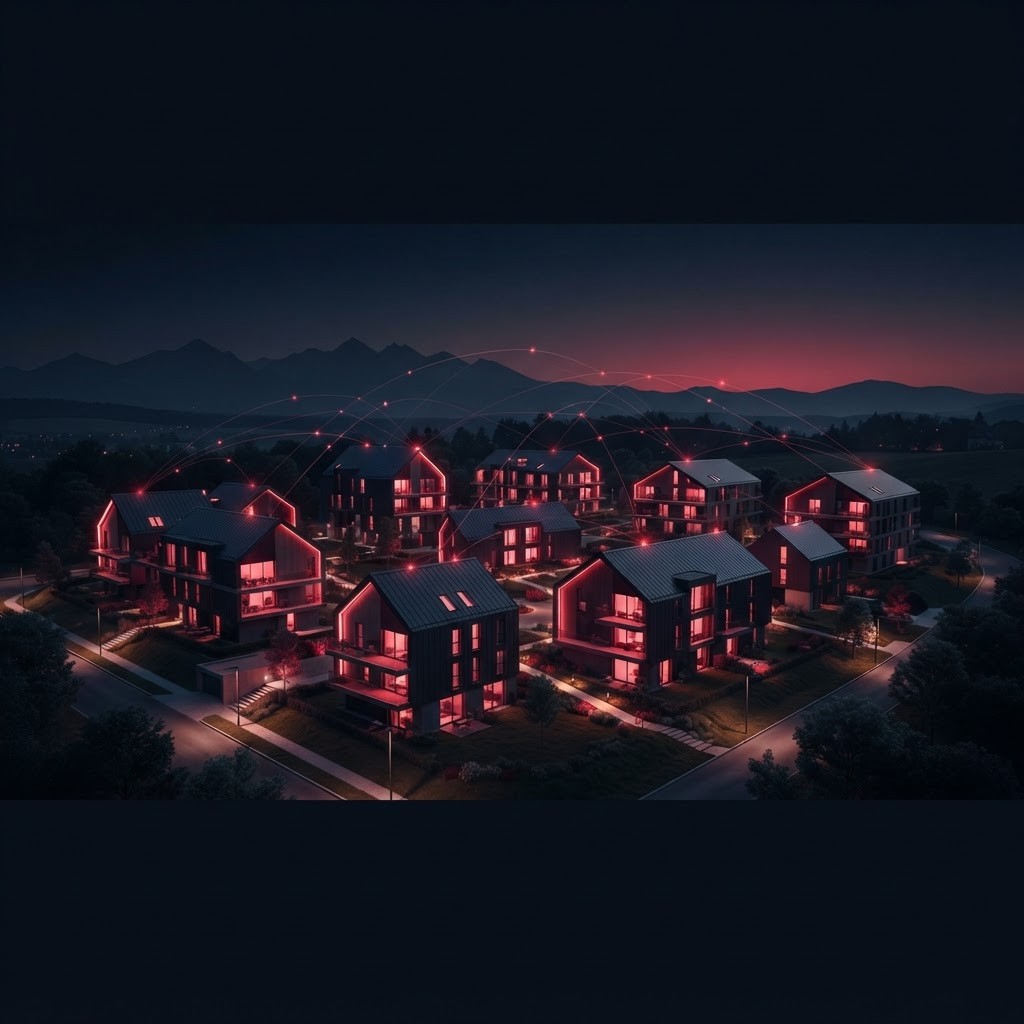
The State of Residential Construction in Slovakia
Residential construction in Slovakia has matured into one of the most dynamic segments of the country's economy. Rising demand for family homes, low-energy houses, and multi-unit apartment developments has pushed builders to combine traditional Central European craftsmanship with cutting-edge building science. Across regions from the capital of Bratislava to the eastern hub of Košice, homeowners now expect airtight envelopes, heat-recovery ventilation, and smart-home readiness as standard rather than luxury features.
The market is shaped by Slovakia's alignment with European Union energy-performance directives, which have made near-zero-energy buildings the baseline for new construction. As a result, the best residential companies distinguish themselves not only through speed and price but through their mastery of insulation, thermal bridging, and sustainable material sourcing.
What Defines a Leading Home Builder
A top residential construction company in Slovakia typically demonstrates several core strengths. First is transparent project management, where clients receive clear timelines, fixed-price contracts, and regular progress reporting. Second is a proven ability to deliver turnkey homes, handling everything from foundation and structural work to interior finishing and landscaping. Third is a commitment to warranty and after-sales service, giving families confidence that structural and technical defects will be addressed long after handover.
Beyond the technical, reputation matters enormously in a relatively close-knit market. Word of mouth, completed reference projects, and long-standing relationships with municipal planning offices often carry more weight than advertising. The companies that rise to the top consistently balance design flexibility with dependable execution.
Leading Companies Shaping the Sector
Several firms have established themselves as reference points for quality residential building. YIT Slovakia, part of a respected Nordic development group, is widely recognised for large residential neighbourhoods that pair thoughtful urban planning with reliable construction standards. Its projects frequently emphasise community amenities, green spaces, and energy-conscious apartment design.
Cresco Real Estate has built a strong name developing residential complexes in and around Bratislava, focusing on modern architecture and well-located urban living. Corwin is another prominent developer noted for sustainability certifications and human-centred neighbourhood planning, having introduced internationally recognised environmental benchmarks to Slovak residential projects.
For custom family homes, ATRIOS and similar design-build studios have earned loyal followings among clients who want architect-led homes delivered by a single accountable team. Meanwhile, companies specialising in prefabricated and timber-frame construction, such as those offering low-energy modular homes, have gained traction with buyers seeking faster build times and predictable costs.
Trends Driving the Market
Energy efficiency remains the defining trend. Passive-house principles, triple-glazed windows, and photovoltaic-ready roofs are increasingly requested by Slovak families conscious of rising energy prices. Heat pumps have largely replaced gas boilers in new builds, and rainwater harvesting is becoming common in suburban developments.
Digital design is another accelerating force. Building information modelling allows the strongest firms to detect clashes before construction begins, reducing costly rework. Prefabrication and off-site manufacturing are shortening schedules, an important advantage given periodic labour shortages in the skilled trades.
Finally, there is growing appetite for wellness-oriented living. Natural materials, generous daylighting, low-emission finishes, and quiet mechanical systems are shaping the way premium homes are marketed across Slovakia.
How to Choose the Right Partner
When selecting a residential construction company, homeowners should review completed portfolios in person where possible, speak with previous clients, and confirm that the builder holds the appropriate trade licences and insurance. It is wise to compare detailed written quotations rather than headline prices, since scope and material quality vary widely between offers.
Clarity on contract terms, payment milestones tied to verifiable progress, and defined penalties for delays protect both parties. Buyers should also assess how a company communicates, because a home build spanning many months depends heavily on responsive, honest dialogue.
Conclusion
Slovakia's residential construction landscape offers homeowners an impressive range of capable partners, from large development groups delivering entire neighbourhoods to boutique design-build studios crafting bespoke family houses. The best companies share a common foundation: technical excellence in energy-efficient building, transparent project management, and a durable reputation earned through delivered results. For families planning to build, the reward for careful selection is a home that is comfortable, economical to run, and built to last for generations.
