
The German Residential Construction Landscape
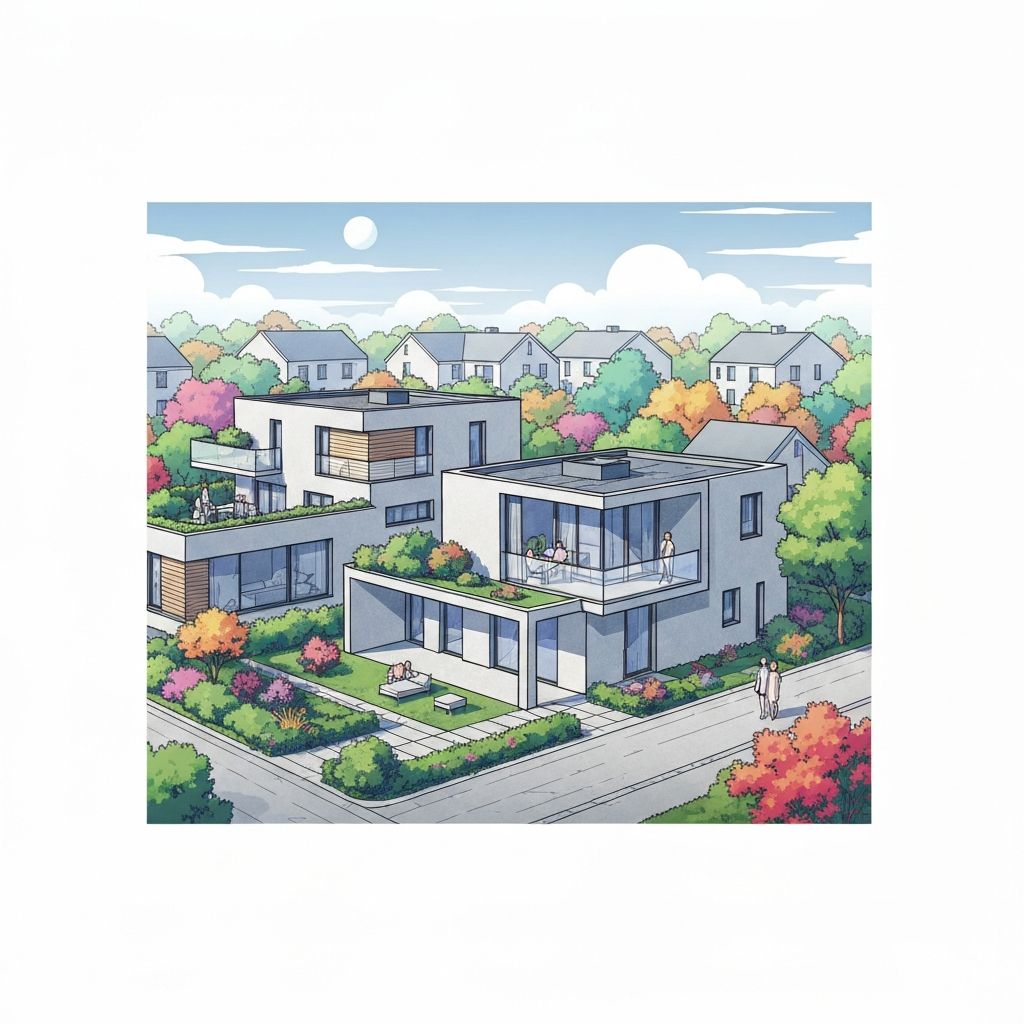
Residential construction in Germany is a high-stakes industry shaped by strict building codes, rigorous energy regulations, and a growing demand for affordable, sustainable housing. From custom single-family homes in Bavaria to large apartment developments in metropolitan hubs like Berlin and Frankfurt, residential builders play a vital role in supporting one of Europe's most demanding real estate markets. The best companies blend traditional craftsmanship, modern engineering, and digital planning to meet both private and institutional buyers' expectations.
What Makes a Top Residential Builder
Germany's leading residential construction firms are characterized by transparency, fixed-price contracts, energy-efficient design, and high-quality interior finishes. Many specialize in prefabricated and modular homes that meet Passivhaus or KfW Effizienzhaus standards, dramatically reducing energy consumption. Customer service, structured handover processes, and long-term warranties also separate the best from the rest.
1. Bien-Zenker
Bien-Zenker is one of the country's most established prefabricated home manufacturers. Headquartered in Schlüchtern, the company offers customizable family homes with high energy efficiency, modern architectural design, and extensive smart-home integration. Bien-Zenker is regarded as a benchmark for premium turnkey residential builds.
2. WeberHaus
WeberHaus, based in Rheinau-Linx, has built a strong reputation across Germany for sustainable timber-frame houses. The company is known for its energy-positive homes, eco-friendly materials, and customizable architectural styles that range from traditional German to ultra-modern designs.
3. SchwörerHaus
SchwörerHaus from Baden-Württemberg is a leading family-owned prefabricated home builder. Its homes are recognized for premium insulation, healthy indoor environments, and meticulous craftsmanship. The firm also operates one of the largest model home exhibitions in Germany, giving clients tangible references.
4. Fingerhaus
Fingerhaus, headquartered in Frankenberg, offers customizable wooden-framed homes designed for modern living. The company is particularly strong in delivering energy-plus houses that produce more renewable energy than they consume, supporting Germany's climate targets.
5. Town & Country Haus
Operating through a wide franchise network, Town & Country Haus is one of the largest providers of affordable family homes in Germany. The firm is known for fixed-price contracts, comprehensive warranty packages, and standardized designs that simplify the home-buying experience.
6. ELK Haus
ELK Haus delivers prefabricated houses across Germany and Austria. The company emphasizes short construction times, high quality control through factory production, and a strong selection of contemporary architectural designs suitable for urban plots and suburban estates alike.
7. Streif Haus
Streif is a long-standing name in German residential construction, offering both turnkey and shell-only options. Its homes are appreciated for solid build quality, classic German architectural styles, and the company's expertise in customizing designs for unique floor plans.
8. Kampa
Kampa, headquartered in Aalen, has positioned itself as a premium provider of energy-plus homes and luxury detached residences. The company combines sophisticated architecture with strong sustainability credentials and a focus on advanced building technology.
9. Hanse Haus
Hanse Haus produces high-quality prefabricated homes from its facility in Oberleichtersbach. Known for engineering precision and detailed customization options, the company appeals to clients seeking modern, low-maintenance homes with excellent thermal performance.
10. Baufritz
Baufritz is a Bavarian builder focused on healthy, ecological homes. The company uses natural materials such as untreated timber and natural insulation, making it a top choice for environmentally conscious clients seeking biological building principles and chemical-free interiors.
Trends in German Residential Construction
The German housing market is being reshaped by sustainability requirements, rising urban density, and demographic change. Modular and serial construction are accelerating delivery timelines, while heat pump installation, photovoltaic integration, and high insulation standards are now baseline expectations. Smart-home technology, accessible design for aging populations, and resilient construction against extreme weather are also influencing how new homes are designed.
How to Choose the Right Residential Builder
Buyers should evaluate prospective builders on transparency of pricing, structural warranties, energy certifications, customization options, and references from past clients. Visiting model homes and reviewing detailed specifications for materials, heating systems, and insulation values are essential steps. Choosing the right partner ensures a home that not only meets current German standards but also retains its value and comfort for decades.
