
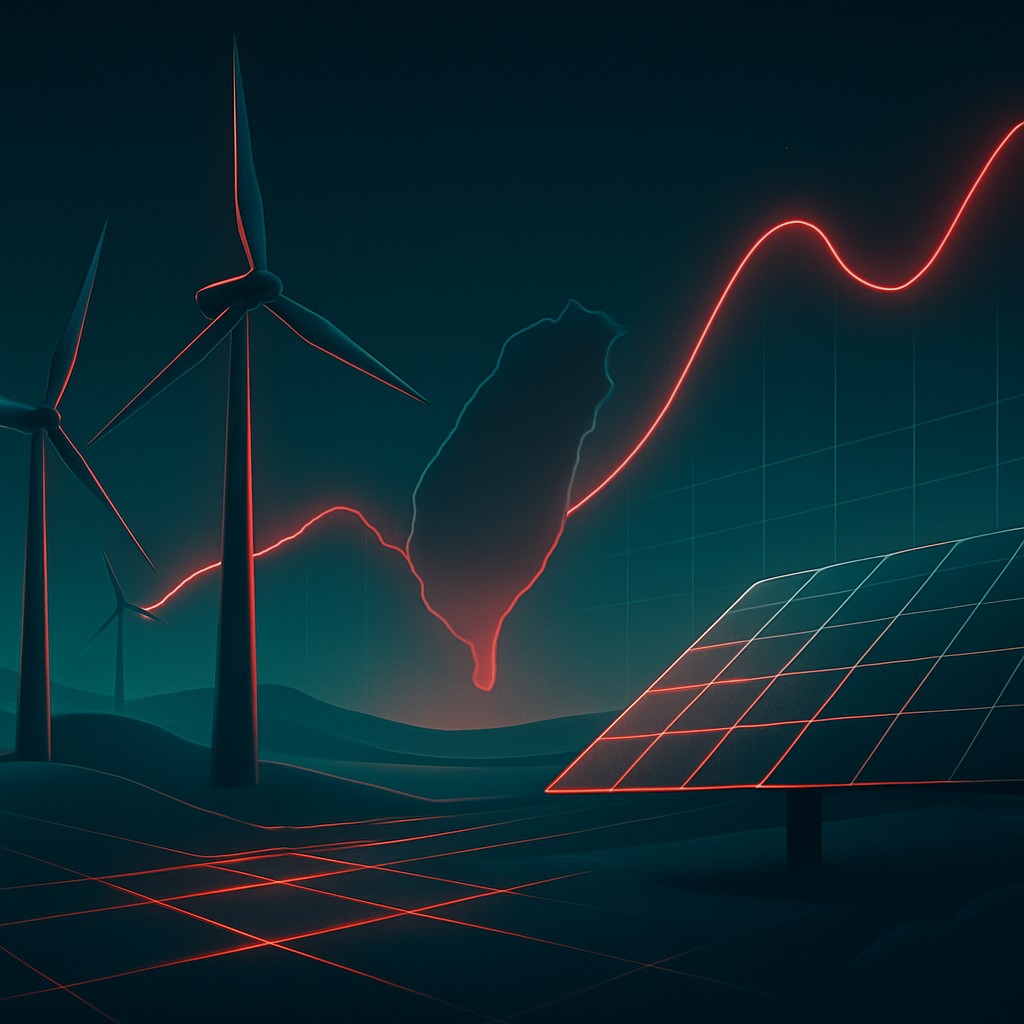
Taiwan's Renewable Energy Ambitions
Taiwan has set bold targets for its energy transition, aiming to dramatically increase the share of renewable sources in its power mix in the coming years. Driven by environmental commitments, energy security concerns, and economic opportunity, the country is investing heavily in solar, wind, and other clean technologies. The best renewable energy companies in Taiwan are at the forefront of this transformation.
This shift represents one of the most significant industrial undertakings in Taiwan's modern history. It requires not only new generation capacity but also upgrades to the grid, energy storage solutions, and supportive policies. Leading companies are rising to meet these challenges with innovation and scale.
A Diverse Renewable Energy Landscape
Taiwan's renewable energy sector encompasses a range of technologies. Solar power has expanded rapidly, with installations on rooftops, fish ponds, and large ground-mounted farms across the sunny southern regions. Offshore wind has emerged as a flagship industry, leveraging the strong and consistent winds of the Taiwan Strait, which is considered one of the best wind resources in the world.
Beyond solar and wind, companies are exploring geothermal energy, biomass, and hydrogen as part of a diversified clean energy portfolio. Energy storage and smart grid technologies are also gaining importance, ensuring that intermittent renewable sources can reliably meet demand. The breadth of this landscape reflects the ambition of Taiwan's transition.
Drivers of Growth in the Sector
Several factors are propelling the growth of renewable energy in Taiwan. Government policy provides a strong foundation, with feed-in tariffs, auctions, and renewable energy targets creating a stable framework for investment. The phase-out of older energy sources has further accelerated demand for clean alternatives.
Corporate demand is another powerful driver. Major manufacturers, including those in the semiconductor and electronics industries, increasingly require renewable energy to meet sustainability commitments and customer expectations. This demand has created a robust market for green power purchase agreements, attracting both domestic and international developers.
The Role of International Collaboration
Taiwan's renewable energy boom has drawn significant international participation, particularly in offshore wind. Global developers, turbine manufacturers, and financiers have partnered with local companies to build large-scale projects. This collaboration brings world-class expertise and capital while fostering the growth of a domestic supply chain.
The best renewable energy companies in Taiwan blend international best practices with local knowledge. They build relationships with communities, navigate regulatory processes, and develop the skilled workforce needed to sustain the industry. This combination of global and local strengths underpins the sector's remarkable progress.
Challenges on the Path to Clean Energy
The transition to renewable energy is not without obstacles. Grid integration poses technical challenges, as intermittent sources require flexible infrastructure and storage. Land and marine space must be carefully managed to balance energy development with other uses and environmental protection.
Financing, permitting, and supply chain constraints also affect the pace of development. The leading companies address these challenges through careful planning, technological innovation, and close engagement with stakeholders. Their ability to overcome obstacles distinguishes them within a competitive and fast-moving industry.
A Sustainable Future
The momentum behind renewable energy in Taiwan shows no sign of slowing. As technology improves and costs decline, clean energy is becoming increasingly competitive with conventional sources. The continued expansion of solar, wind, and storage promises a cleaner, more secure, and more sustainable energy future for the island.
The best renewable energy companies are not only generating power but also creating jobs, attracting investment, and positioning Taiwan as a regional leader in clean energy. Their work supports both environmental goals and economic prosperity, demonstrating that sustainability and growth can advance together.
Conclusion
Taiwan's top renewable energy companies are driving a profound transformation toward a low-carbon future. Through solar, offshore wind, storage, and emerging technologies, they are reshaping the country's energy landscape while supporting its environmental and economic ambitions. As the transition accelerates, these companies will play an essential role in building a sustainable and resilient Taiwan.
