
Clean Energy Opportunity in the Valley
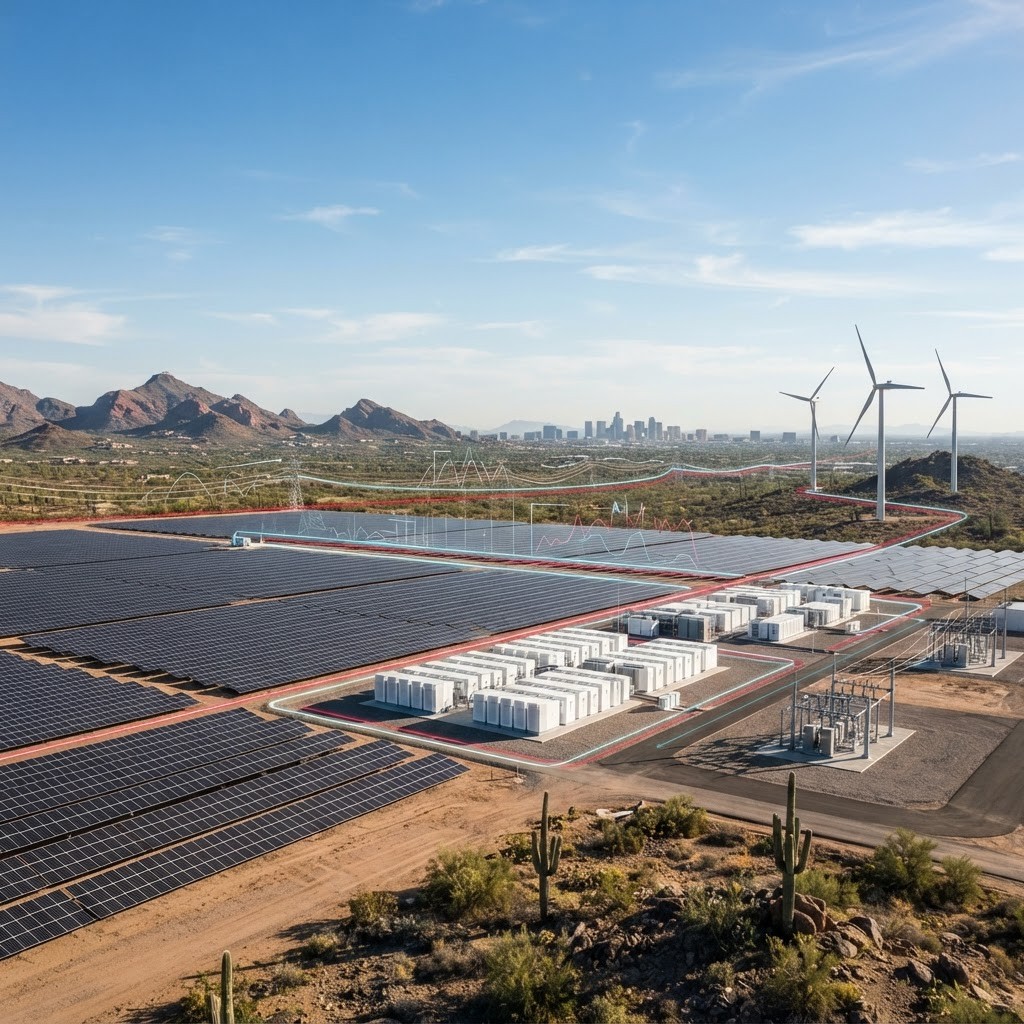
With abundant sunshine, large energy demand, and expanding advanced manufacturing, Greater Phoenix is central to Arizona's energy transition. Renewable development now includes utility-scale solar, distributed generation, batteries, grid modernization, and energy services. Heat resilience, water use, land planning, transmission capacity, and affordability all shape the market. These ten companies play distinct roles in supplying, developing, financing, or enabling cleaner power in the region.
1. Arizona Public Service
Arizona Public Service is the state's largest electric utility and a major purchaser and operator of renewable resources. Its portfolio includes solar generation, battery storage, demand-side programs, and grid investments. Because utilities coordinate reliability across every hour, APS has a central role in integrating variable renewable production while serving Phoenix's rapid growth.
2. Salt River Project
Salt River Project supplies electricity and water to much of metropolitan Phoenix. SRP has expanded solar, wind, storage, efficiency, and customer renewable programs while planning for rising demand. Its dual responsibility for water and power gives it a distinctive perspective on resource resilience in an arid, fast-growing region.
3. First Solar
Tempe-based First Solar is one of the most prominent American solar manufacturers and technology companies. It produces thin-film photovoltaic modules designed for utility-scale projects and has invested heavily in domestic manufacturing and research. The company's Arizona roots connect Greater Phoenix to a global clean-energy supply chain.
4. Arevon Energy
Arevon Energy, headquartered in the Scottsdale area, develops, owns, and operates large-scale renewable energy projects. Its portfolio includes solar and battery storage assets designed to provide clean electricity and grid capacity. Long-term asset ownership encourages attention to community relationships, operational quality, and lifecycle performance.
5. DEPCOM Power
Scottsdale-based DEPCOM Power provides engineering, procurement, construction, operations, and maintenance services for utility-scale solar and storage projects. Its integrated model supports projects from design through long-term operation. Execution discipline is a critical differentiator as developers seek predictable schedules, safety, and performance.
6. Erthos
Erthos is a Tempe solar technology company known for an earth-mounted approach that places modules close to the ground. The model aims to reduce structural materials and installation complexity while using robotic cleaning. Its work illustrates how Arizona engineering companies are rethinking conventional solar project design.
7. Elevation
Elevation, based in the Phoenix area, focuses on residential energy solutions including solar, efficiency, and energy monitoring. The company's approach treats the house as a connected energy system rather than viewing panels alone. Better consumption insight can help homeowners identify waste and understand how upgrades affect bills.
8. Veregy
Phoenix-based Veregy develops energy and infrastructure improvements for public agencies, schools, healthcare organizations, and commercial facilities. Projects may combine solar, storage, building controls, lighting, and efficiency measures. This comprehensive model helps customers fund modernization through expected operational savings and performance planning.
9. SOLON Corporation
SOLON Corporation has operated in Arizona's solar market across engineering, construction, and development activities. The company has experience with commercial and utility projects in demanding desert conditions. Regional knowledge matters because heat, dust, monsoon weather, and site access can influence design and maintenance.
10. McCarthy Building Companies
McCarthy has a major Phoenix presence and is a leading builder of large solar and energy storage facilities. Its renewable energy teams manage construction, workforce coordination, safety, and commissioning. Contractors of this scale are essential for translating development plans into reliable infrastructure on schedule.
Market Trends to Watch
Storage is becoming inseparable from solar because batteries can shift daytime production into evening demand. Domestic manufacturing, supply-chain traceability, and workforce development are also strategic priorities. At the same time, transmission queues and interconnection studies can determine whether otherwise strong projects move forward.
Evaluating a Renewable Energy Partner
Customers should compare technical experience, financial stability, warranties, safety, monitoring, maintenance, and realistic production assumptions. For commercial projects, examine tax, ownership, interconnection, and contract risks with qualified advisors. Homeowners should understand roof condition, utility rate structures, financing terms, and transfer obligations.
Phoenix's renewable sector is broader than any single technology. Utilities, manufacturers, developers, contractors, software providers, and building specialists all contribute. The strongest companies pair ambitious growth with transparent economics, resilient engineering, responsible land use, and credible long-term support—qualities that will matter as Arizona's power needs continue to rise.
Community and Grid Value
Renewable infrastructure succeeds when strong engineering is paired with responsible local planning. Developers should address construction traffic, dust, habitat, cultural resources, drainage, emergency access, visual effects, and eventual decommissioning. Meaningful community engagement starts before final decisions and explains benefits and tradeoffs in accessible terms. Grid position is equally important: a project with excellent land and resource quality may still face expensive network upgrades or a long interconnection delay. Buyers and investors should evaluate transmission status, equipment supply, permitting maturity, counterparties, warranties, and operating plans rather than focusing only on headline capacity. In Arizona, durable clean-energy growth will come from projects that earn local confidence while delivering verifiable electricity, reliability services, skilled employment, and economic value throughout a long operating life.
