
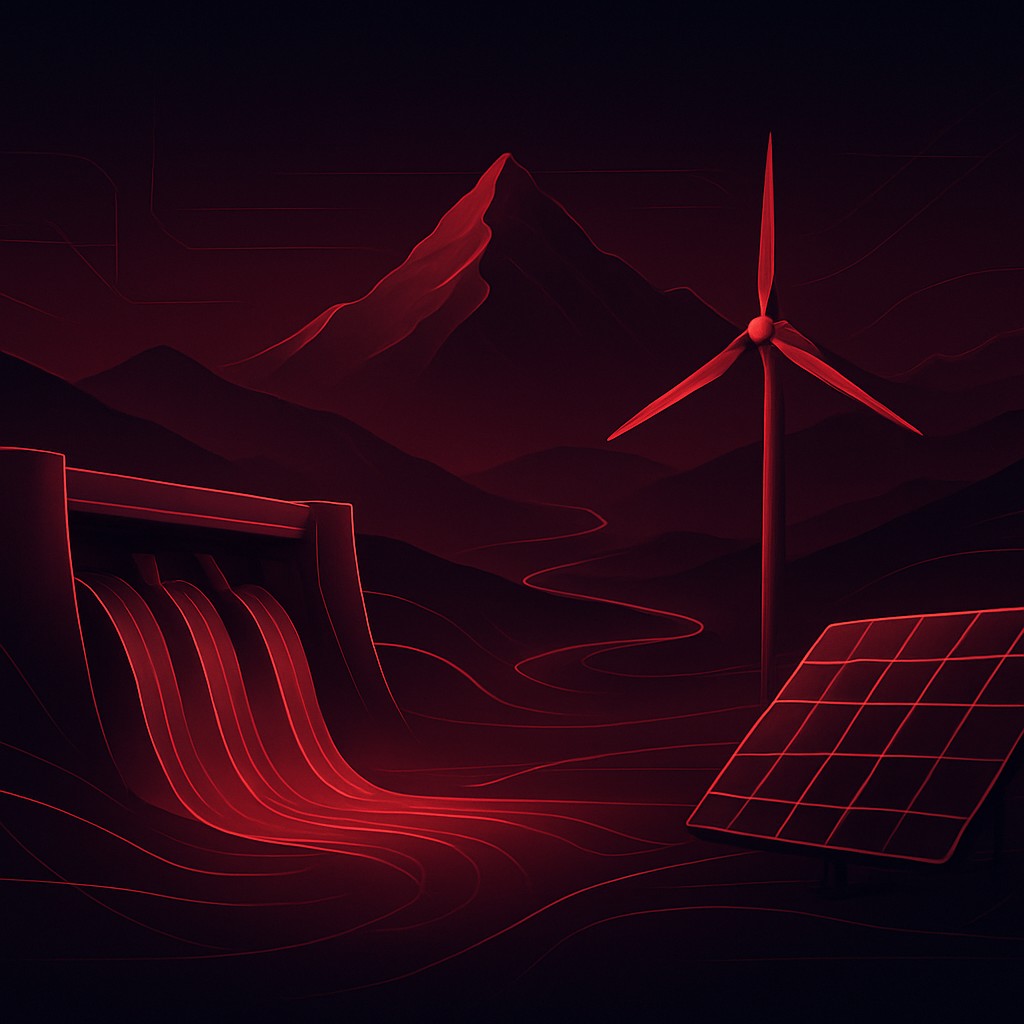
Nepal's Renewable Energy Revolution
Nepal is blessed with abundant natural resources for clean energy, particularly its vast hydropower potential fed by Himalayan rivers. In recent years, the country has made significant strides in expanding renewable energy capacity, moving toward energy independence and even exporting surplus electricity to neighbouring countries. Beyond hydropower, solar, wind, and biomass are emerging as important contributors to a diversified clean energy mix.
The renewable energy sector is now one of the most dynamic parts of Nepal's economy, attracting domestic and foreign investment alike. The leading companies in this space are developing major projects, advancing technology, and helping the nation transition toward a sustainable, low-carbon future.
Why Renewable Energy Matters for Nepal
Renewable energy is central to Nepal's development ambitions. Reliable, affordable electricity powers industry, supports households, and reduces dependence on imported fossil fuels. Clean energy also brings environmental benefits, helping the country meet its climate commitments and protect its fragile mountain ecosystems.
The economic potential is enormous. Hydropower exports represent a significant revenue opportunity, while distributed solar and other technologies extend electricity access to remote communities. The companies driving this transition are creating jobs, building infrastructure, and positioning Nepal as a regional clean energy hub.
Leading Renewable Energy Companies
Several companies stand out in Nepal's renewable energy landscape. Butwal Power Company is one of the country's pioneering and most respected hydropower developers, with a long track record of project development and operations. Chilime Hydropower Company is recognised for its successful hydropower projects and community-oriented model.
National Hydro Power Company and Arun Valley Hydropower Development Company have contributed significant generation capacity to the national grid. Ridi Hydropower Development Company and Sanima Hydro are known for their portfolios of run-of-river projects. In the broader renewable space, Gham Power has been a leader in solar and off-grid solutions, while companies such as Himalayan Power Partner, Api Power Company, and Synergy Power Development continue to expand the country's clean energy footprint.
Core Activities in the Renewable Sector
Renewable energy companies in Nepal engage in a range of activities. Hydropower development remains the cornerstone, encompassing project identification, financing, construction, and operation of run-of-river and storage plants. These projects require substantial capital, engineering expertise, and careful environmental management.
Beyond hydropower, companies are increasingly active in solar power, both utility-scale installations and distributed rooftop and off-grid systems. Some firms also explore wind and biomass, while others focus on energy infrastructure, transmission, and the integration of renewables into the national grid. Power trading and export arrangements are an emerging area of strategic importance.
Trends Powering the Industry
Diversification beyond hydropower is a major trend, as solar and other technologies become more cost-competitive and help balance seasonal variations in hydropower output. This mix improves the reliability and resilience of Nepal's energy system.
Cross-border electricity trade is another significant development, with growing opportunities to export surplus power to regional markets. Meanwhile, investment in transmission infrastructure, energy storage, and grid modernisation is essential to support the expanding generation capacity and ensure that clean energy reaches consumers efficiently.
How to Evaluate Renewable Energy Companies
For investors, partners, and communities, assessing renewable energy companies involves examining their project track record, technical expertise, and financial stability. A strong portfolio of completed and operating projects signals reliability and capability.
Environmental and social responsibility is also crucial, particularly given the sensitivity of Nepal's natural landscapes and the importance of community engagement. Companies that manage these dimensions well tend to build more sustainable, broadly supported projects that deliver lasting value.
Conclusion
Nepal's renewable energy sector stands at an exciting inflection point, with hydropower leading the way and solar and other technologies gaining momentum. The country's top renewable energy companies are driving this transformation, developing major projects and advancing innovation toward a cleaner, more secure energy future. As demand grows and the energy mix diversifies, these companies will remain central to Nepal's sustainable development and regional energy ambitions.
