
Mozambique's Renewable Energy Potential
Mozambique sits on one of Africa's richest endowments of renewable energy resources. Abundant sunshine, powerful rivers, and steady coastal winds give the country enormous potential to generate clean electricity. With a national ambition to expand access to power and reduce reliance on imported fuels, renewable energy has become central to Mozambique's development strategy.
The stakes are high. Millions of Mozambicans, particularly in rural areas, still lack reliable electricity. Renewable energy offers a path to universal access through both large grid-connected projects and decentralised solutions such as mini-grids and solar home systems. A vibrant group of companies is rising to seize this opportunity.
Why Renewables Are Gaining Momentum
Several forces are accelerating the shift toward renewables. Falling technology costs have made solar and wind increasingly competitive with conventional generation. Government policy, supported by institutions such as the national energy fund and the electricity utility, encourages private investment and rural electrification. International development partners provide financing and expertise, while global demand for clean energy creates new commercial incentives.
Renewables also enhance energy security. By diversifying the generation mix beyond hydropower, which can be vulnerable to drought, the country builds resilience against climate variability. This diversification is a strategic priority as Mozambique plans for long-term growth.
Leading Renewable Energy Companies
A range of companies is driving Mozambique's clean energy transition. Electricidade de Mocambique (EDM), the national utility, plays a pivotal role by integrating renewables into the grid and partnering on major projects. Central Termica de Mocambique and independent power producers are expanding the generation landscape with new investments.
Mozambique Solar and Eni Mozambique are advancing large-scale solar developments, while Globeleq, a leading independent power producer, has been instrumental in delivering grid-connected solar capacity. Scatec, a Norwegian renewable specialist, has developed significant solar plants that supply clean power to thousands of homes and businesses.
Other notable players include EDPR, exploring wind and solar opportunities; Greenlight Planet and Epsilon Energia Solar, expanding off-grid solar access in rural communities; and Mozambique Energy, a developer focused on mini-grid solutions. Hidroelectrica de Cahora Bassa (HCB), operator of one of Africa's largest hydropower dams, anchors the renewable base with vast clean generation capacity.
Key Technologies and Projects
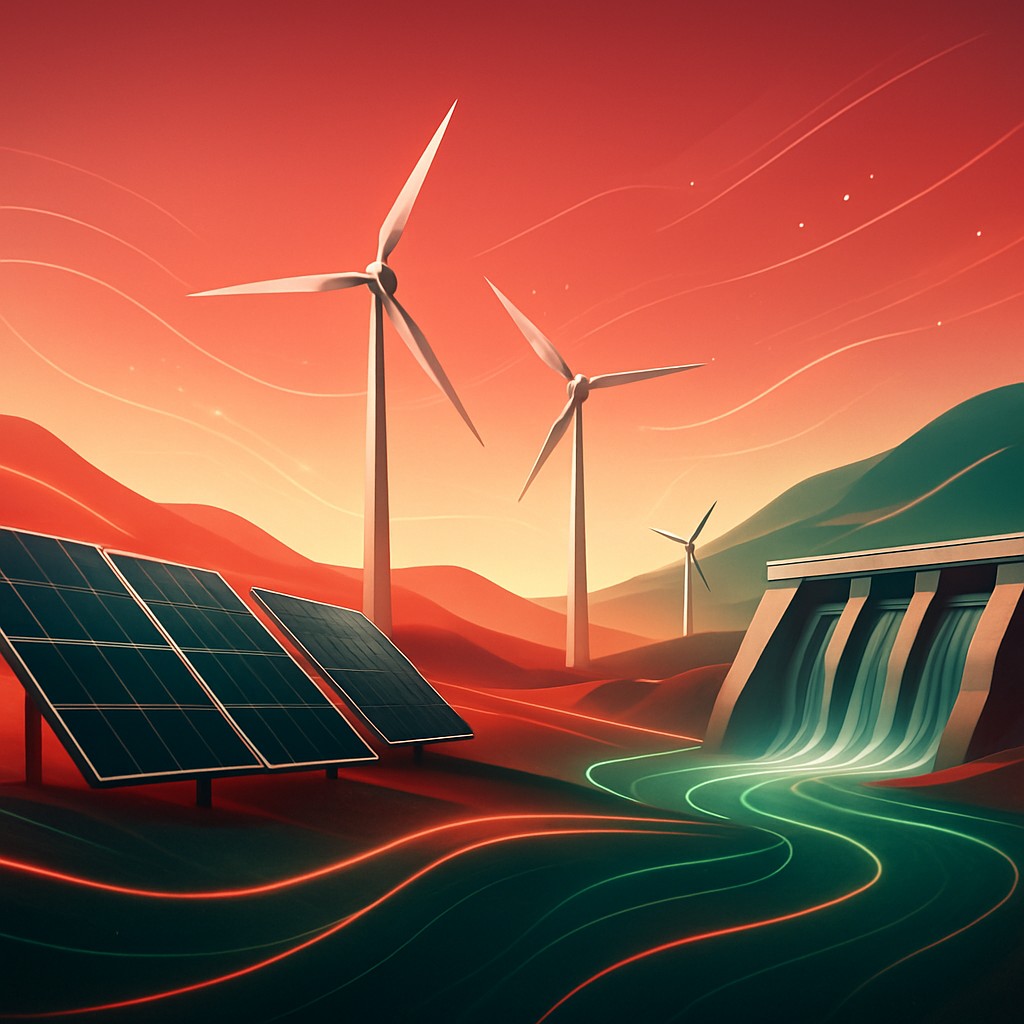
The renewable sector in Mozambique spans multiple technologies. Hydropower remains the backbone, led by the Cahora Bassa dam on the Zambezi River, with further hydro projects under study. Solar energy is the fastest-growing segment, with utility-scale plants in Mocuba and Metoro demonstrating the viability of large installations, alongside thousands of distributed solar systems.
Wind energy is gaining attention, particularly along the coast and in southern provinces where wind speeds are favourable. Mini-grids combining solar with battery storage are electrifying remote villages, while pay-as-you-go solar products bring power to individual households. Together, these technologies form a flexible, scalable clean energy portfolio.
Impact on Communities and the Economy
The benefits of renewable energy extend well beyond electricity supply. Access to power transforms lives, enabling children to study after dark, clinics to refrigerate medicines, and small businesses to operate longer hours. Renewable projects create jobs in construction, operation, and maintenance, building local skills and supporting livelihoods.
Economically, reliable clean energy attracts investment and supports industrialisation. Reduced dependence on imported fuels improves the trade balance, while lower emissions align Mozambique with global climate commitments. The ripple effects touch agriculture, healthcare, education, and commerce alike.
Challenges to Overcome
Scaling renewables is not without obstacles. Financing large projects requires significant capital and investor confidence. Grid infrastructure must be extended and strengthened to absorb new capacity. Regulatory clarity, streamlined permitting, and skilled local labour are all needed to sustain momentum. Climate risks, including cyclones, also demand resilient project design.
The companies leading the sector are addressing these challenges through innovative financing, partnerships, and technology adapted to local conditions. Their persistence is steadily unlocking Mozambique's vast potential.
A Bright and Sustainable Future
Mozambique's renewable energy journey is gathering pace, and the companies profiled here are at its forefront. By harnessing the sun, water, and wind, they are powering homes, energising businesses, and building a more sustainable nation. As investment grows and technology advances, renewable energy will play an ever-greater role in lighting the path to a prosperous, low-carbon future for Mozambique.
