
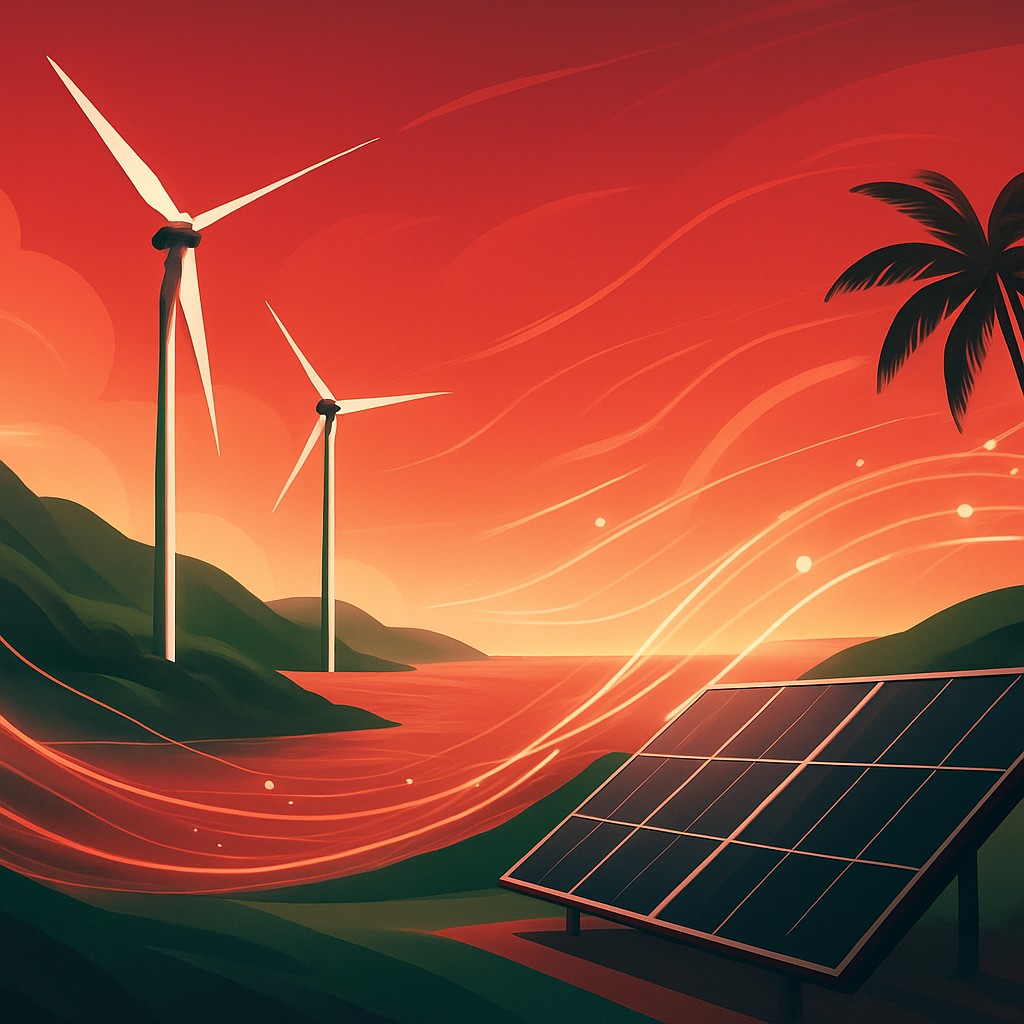
The Dominican Republic's Renewable Energy Transition
The Dominican Republic has emerged as a regional leader in renewable energy adoption, driven by abundant natural resources, supportive legislation, and a national commitment to reducing dependence on imported fossil fuels. With consistent sunshine, strong coastal winds, and growing investment interest, the country is rapidly diversifying its energy matrix toward cleaner sources.
Government incentives under Law 57-07, which promotes renewable energy development, have catalyzed billions of dollars in investment. The result is a flourishing sector populated by innovative companies developing solar parks, wind farms, and hybrid systems that supply clean electricity to homes, businesses, and the national grid.
Why Renewable Energy Is Critical for the Country
Historically reliant on imported oil and gas for power generation, the Dominican Republic has faced volatile energy prices and supply challenges. Renewable energy offers a path to energy independence, price stability, and environmental sustainability. By harnessing domestic resources, the nation can reduce greenhouse gas emissions, create jobs, and strengthen its economy.
The transition also supports the country's climate commitments and enhances resilience against the effects of climate change, which pose significant risks to Caribbean nations. Clean energy projects bring lasting benefits to rural communities and contribute to a more secure and prosperous future.
Leading Renewable Energy Companies
EGE Haina is one of the largest power generators in the country and a major driver of renewable development, operating significant wind and solar capacity alongside its traditional generation portfolio.
AES Dominicana has invested heavily in clean energy infrastructure, combining natural gas with renewable projects to deliver reliable, lower-emission power.
Akuo Energy brings international expertise to the Dominican market, developing and operating large-scale solar and wind installations.
Soventix Caribbean specializes in solar project development, delivering turnkey photovoltaic solutions for utility-scale and commercial clients.
InterEnergy Group operates a diverse portfolio of renewable assets, including the landmark wind farms that have helped define the country's clean energy story.
Parque Energético Los Mina contributes to the renewable mix with modern generation facilities and a commitment to sustainability.
General Energy Solutions has developed major solar parks that supply substantial clean capacity to the national grid.
Montecristi Solar operates one of the largest photovoltaic facilities in the Caribbean, demonstrating the scale possible in the Dominican market.
WindStream Energy DR focuses on wind generation, leveraging the country's strong and consistent coastal winds.
Ecoener rounds out the list with hybrid renewable projects that combine multiple clean technologies for maximum reliability and efficiency.
Technologies Driving the Sector
The renewable landscape in the Dominican Republic is dominated by solar photovoltaic and onshore wind, complemented by emerging interest in energy storage and hybrid systems. Battery storage is increasingly important for managing the intermittent nature of solar and wind, ensuring a stable supply even when the sun sets or the wind calms.
Smart grid technologies and advanced monitoring systems are also being deployed to optimize generation, distribution, and consumption. These innovations enhance efficiency and reliability while supporting the integration of more renewable capacity into the national grid.
Economic and Environmental Impact
Renewable energy projects generate significant economic benefits, including job creation during construction and operation, technology transfer, and local investment. Communities near renewable installations often benefit from improved infrastructure and economic activity.
Environmentally, the shift toward clean energy reduces carbon emissions, improves air quality, and conserves natural resources. As the country expands its renewable capacity, these positive impacts will continue to grow, contributing to a healthier environment and a more sustainable economy.
Challenges and the Road Ahead
While progress has been remarkable, the sector faces challenges including grid modernization needs, financing complexities, and the integration of variable generation. Continued policy support, infrastructure investment, and public-private collaboration will be essential to overcoming these obstacles.
The outlook remains highly promising. With ambitious targets for renewable penetration and strong investor confidence, the Dominican Republic is well positioned to become a Caribbean model for clean energy transformation.
Conclusion
The renewable energy companies leading the Dominican Republic are powering a cleaner, more sustainable future for the nation. Through innovation, investment, and commitment to environmental stewardship, these organizations are reshaping the country's energy landscape. As the transition accelerates, they will remain at the heart of the Dominican Republic's journey toward energy independence and sustainability.
