
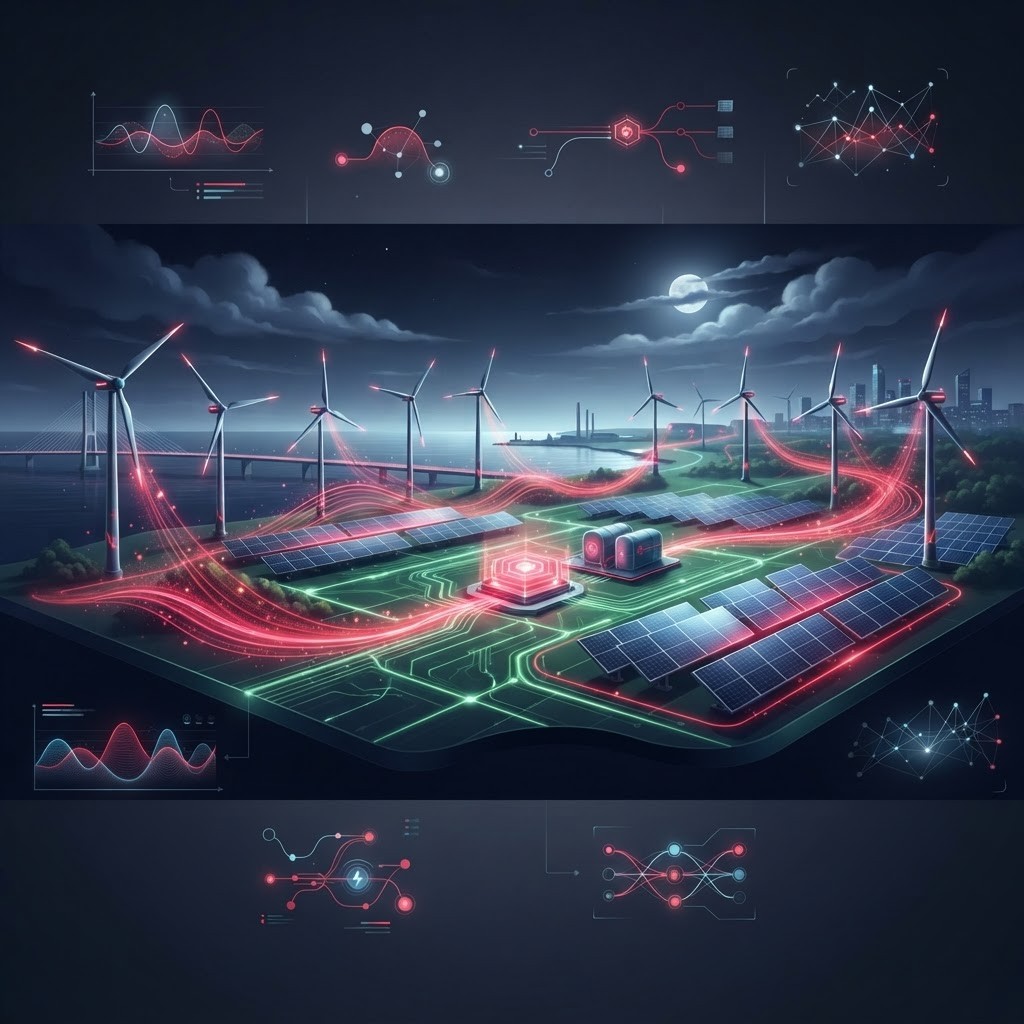
Denmark's Green Energy Leadership
Denmark stands as one of the world's most influential nations in the transition to renewable energy. With ambitious climate targets and decades of investment in clean technology, the country has become a living laboratory for sustainable energy solutions. A significant share of Danish electricity already comes from renewable sources, and the nation continues to set benchmarks that inspire energy policy across the globe.
This leadership is not accidental. It stems from a combination of visionary policy, public support, and a cluster of world-class companies that have turned environmental commitment into commercial success. Danish renewable energy firms now operate on every continent, exporting expertise in wind, solar, bioenergy, and grid management.
The Foundations of Danish Renewables
Denmark's renewable journey began in earnest following the energy crises of the twentieth century, when the country sought to reduce dependence on imported fossil fuels. Early investment in wind power laid the groundwork for an industry that would eventually dominate the global market. Today, that pioneering spirit extends into offshore wind, green hydrogen, and integrated energy systems that balance supply and demand intelligently.
Leading Renewable Energy Companies
Ørsted is arguably the most iconic name in global renewable energy. Once a fossil-fuel-based utility, the company transformed itself into a world leader in offshore wind, developing massive wind farms that power millions of homes. Its remarkable reinvention is often cited as a model for the entire energy sector.
Vestas Wind Systems is the world's largest manufacturer of wind turbines. Headquartered in Denmark, Vestas designs, produces, and services turbines across the globe, and its technology underpins a substantial portion of the world's installed wind capacity.
Siemens Gamesa Renewable Energy, with significant Danish operations, is a major force in both onshore and offshore wind, contributing advanced turbine technology and engineering expertise.
European Energy develops and operates solar and wind projects internationally, and has become a prominent player in the emerging field of green fuels and power-to-x technology.
Copenhagen Infrastructure Partners is a leading fund manager specialising in large-scale renewable infrastructure investments, channelling capital into wind, solar, and storage projects worldwide.
Andel, a cooperative energy group, invests heavily in renewable generation and green infrastructure while serving as a major energy provider within Denmark.
Better Energy focuses on developing solar parks and driving the expansion of solar power as a cost-effective renewable source across Northern Europe.
Eurowind Energy develops and operates wind and solar projects, combining technologies to create hybrid renewable solutions.
Wind Estate specialises in the ownership and operation of wind farms, contributing steadily to the country's clean energy capacity.
GreenGo Energy develops solar and power-to-x projects, positioning itself at the forefront of the next wave of renewable innovation.
Core Areas of Innovation
Danish renewable energy companies operate across a diverse range of technologies. Offshore wind remains the flagship sector, with Danish firms leading the design, construction, and operation of some of the largest wind farms ever built. Solar power is expanding rapidly, supported by falling costs and improved efficiency.
Beyond generation, Danish companies are pioneers in energy storage, smart grids, and sector coupling, where electricity, heating, and transport systems are integrated for maximum efficiency. Green hydrogen and power-to-x technologies, which convert renewable electricity into fuels and chemicals, represent an especially promising frontier.
Trends Shaping the Sector
The renewable energy landscape in Denmark is evolving quickly. Green hydrogen is attracting enormous interest as a way to decarbonise heavy industry and transport. Offshore wind continues to scale, with plans for energy islands that could supply clean power to multiple countries simultaneously.
Digitalisation is also transforming the sector, as artificial intelligence and data analytics optimise turbine performance and predict maintenance needs. Meanwhile, corporate demand for renewable power purchase agreements is driving new project development, as businesses seek to meet their own sustainability goals.
Economic and Environmental Impact
The renewable energy industry is a cornerstone of the Danish economy, generating employment, exports, and technological leadership. Thousands of skilled jobs are tied to manufacturing, engineering, and services, and the sector supports a vibrant ecosystem of suppliers and startups.
Environmentally, these companies are central to Denmark's goal of achieving climate neutrality. By replacing fossil fuels with clean electricity, they reduce emissions while improving energy security and price stability.
Conclusion
Denmark's renewable energy companies exemplify how bold vision and sustained commitment can create both environmental and economic value. From the offshore wind giants to nimble solar developers, these organisations are shaping a cleaner, more resilient energy future. For anyone seeking inspiration or partnership in the green transition, Denmark's renewable leaders offer a compelling blueprint for success.
