
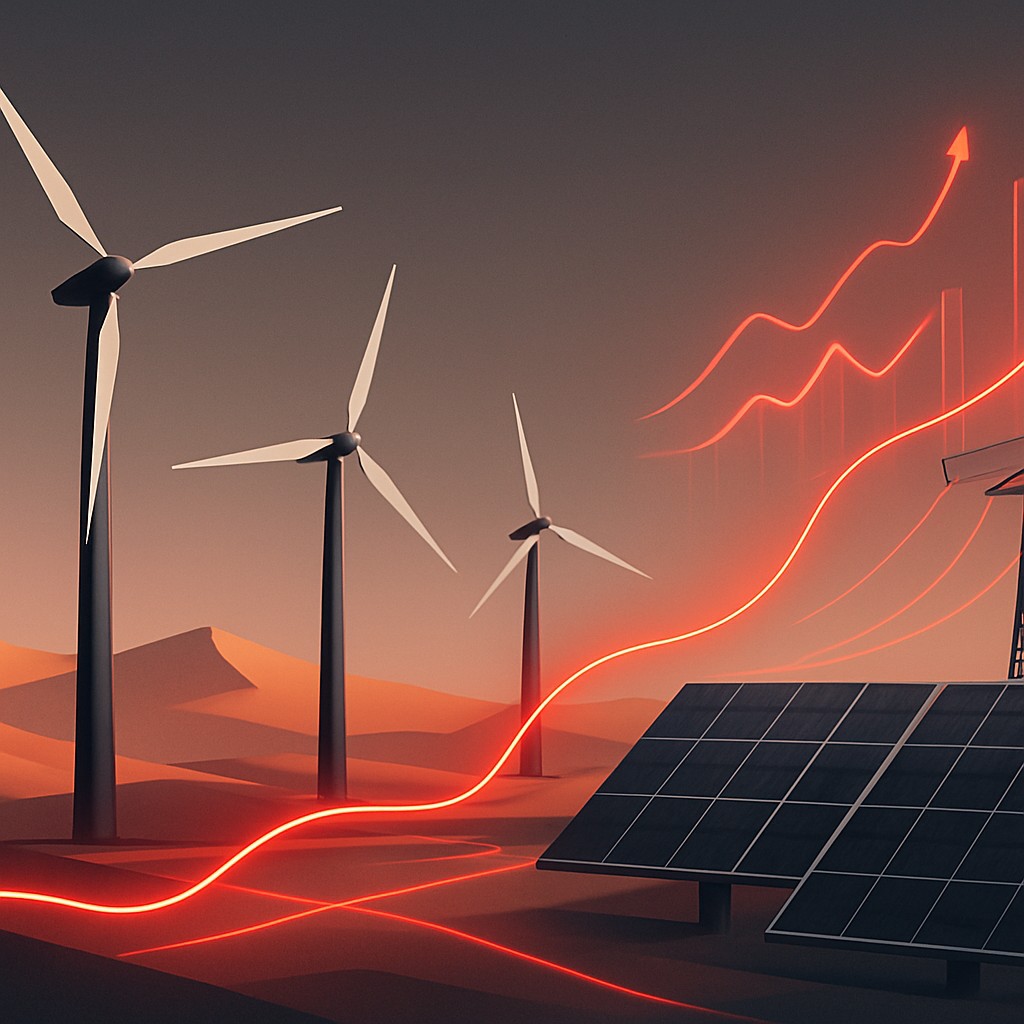
Algeria's Renewable Energy Ambitions
Algeria possesses some of the world's most abundant renewable energy resources, particularly solar irradiation across its vast Saharan territory, along with significant wind potential. Recognizing the need to diversify beyond hydrocarbons and meet growing domestic demand, the country has set ambitious targets to expand renewable energy capacity. This transition is creating opportunities for a new generation of companies dedicated to clean power.
The best renewable energy companies in Algeria are developing solar, wind, and hybrid projects that contribute to energy security, economic diversification, and environmental sustainability. From large utility-scale installations to distributed generation, these companies are at the forefront of a transformation that promises to reshape Algeria's energy landscape.
The Renewable Energy Landscape
Renewable energy in Algeria spans several technologies. Solar power, both photovoltaic and concentrated solar, is the centerpiece of national ambitions given the country's exceptional sunshine. Wind energy is being developed in regions with favorable conditions, while interest in green hydrogen is emerging as a potential avenue for exporting clean energy to international markets.
The sector involves a range of players, including project developers, engineering and construction firms, equipment suppliers, and operators. State institutions play a central role in setting policy and launching tenders, while private and international companies bring capital, technology, and expertise. This collaborative ecosystem is essential to achieving the country's goals.
Leading Renewable Energy Companies
Several companies stand out in Algeria's renewable energy sector. Sonelgaz, the national electricity and gas utility, is a central force in renewable development through its subsidiaries and partnerships. Shaems, a joint venture established to drive solar deployment, is tasked with implementing major photovoltaic projects across the country.
Sonatrach, the national energy company, is increasingly involved in renewable and green energy initiatives as part of its diversification strategy. International developers and equipment providers partner with Algerian entities to deliver projects, bringing global experience to local execution. Engineering firms and EPC contractors specializing in renewables also play vital roles, alongside emerging private developers focused on distributed solar solutions for industry and agriculture.
Benefits of the Energy Transition
Algeria's pivot toward renewable energy offers numerous benefits. By harnessing domestic solar and wind resources, the country can reduce its reliance on hydrocarbons for power generation, freeing up valuable gas for export and reducing emissions. This diversification strengthens energy security and supports long-term economic stability.
The renewable sector also creates jobs and stimulates the development of local industry and expertise. As companies invest in manufacturing, installation, and maintenance, they build a skilled workforce and a domestic supply chain. These developments contribute to broader economic growth and resilience.
Opportunities and Challenges
The renewable energy sector in Algeria presents significant opportunities for investors and companies. Government targets, favorable resources, and growing demand create a strong foundation for growth. At the same time, the sector faces challenges including the need for supportive regulatory frameworks, financing mechanisms, and grid infrastructure to integrate variable renewable generation.
Companies that can navigate these challenges and deliver reliable, cost-effective projects are well positioned to thrive. Partnerships between local and international players are particularly valuable, combining global technology and finance with local knowledge and execution capability.
The Role of Innovation
Innovation is central to the success of Algeria's renewable energy ambitions. Advances in solar technology, energy storage, and grid management are making renewable power more efficient and reliable. Companies that embrace these innovations can deliver better outcomes and accelerate the transition. Green hydrogen, in particular, represents a frontier where Algeria's resources could position it as a future exporter of clean energy.
Regional and International Significance
Algeria's renewable energy development carries significance well beyond its borders. As Europe and other regions seek clean energy sources, Algeria's proximity, abundant resources, and existing energy export infrastructure position it as a potential supplier of renewable power and green hydrogen. This international dimension adds momentum to domestic efforts and attracts global partners and investment.
The companies that succeed in this environment are those that combine local execution capability with the ability to meet international standards and engage global markets. Such partnerships not only advance individual projects but also strengthen Algeria's standing as an emerging clean energy hub in the region. This outward-looking perspective is shaping the strategies of the country's leading renewable energy firms.
Looking to the Future
Algeria's renewable energy journey is still in its early stages, but the direction is clear. With abundant resources, strong national commitment, and a growing ecosystem of capable companies, the country is poised to become a significant player in clean energy. Continued investment, supportive policy, and sustained collaboration between national institutions and international partners will determine how quickly the country realizes its remarkable potential. For investors, engineers, and entrepreneurs, the renewable sector offers one of the most compelling growth opportunities in the Algerian economy today. The companies highlighted here are leading this transformation, building the projects and capabilities that will power Algeria's sustainable future.
