
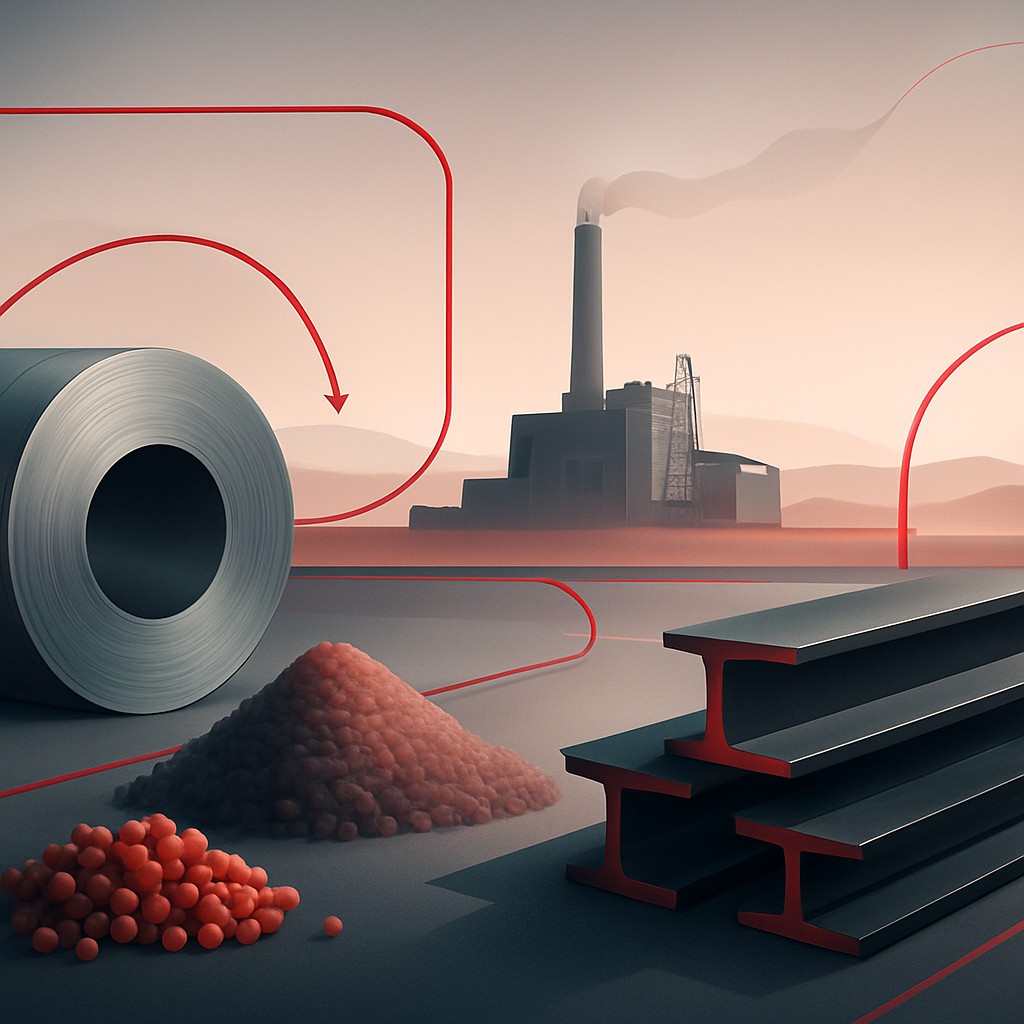
The Backbone of Saudi Arabia's Industrial Economy
Raw materials form the foundation of every manufacturing and construction activity, and Saudi Arabia has positioned itself as a regional powerhouse in this domain. Blessed with abundant natural resources and supported by significant government investment, the Kingdom hosts a robust network of suppliers that feed industries ranging from petrochemicals and metals to plastics, minerals, and chemicals. As Vision 2030 accelerates economic diversification, the importance of reliable raw material suppliers has never been greater.
These suppliers enable factories to operate efficiently, support large-scale infrastructure projects, and underpin export-oriented industries. Their ability to deliver consistent quality at scale directly influences the competitiveness of Saudi manufacturing on the global stage.
Key Categories of Raw Materials
The Saudi raw material market spans several critical categories. Petrochemical feedstocks and polymers are among the most significant, given the Kingdom's dominant position in the global energy sector. Metals such as steel, aluminum, and copper are essential for construction and manufacturing, while industrial minerals and chemicals support a wide array of downstream applications.
Suppliers in each category must navigate complex logistics, stringent quality standards, and fluctuating global demand. The best performers combine deep technical expertise with reliable supply chains to meet the exacting needs of their industrial clients.
Leading Raw Material Suppliers in the Kingdom
At the top of the list sits Saudi Basic Industries Corporation (SABIC), one of the world's largest petrochemical and materials companies. SABIC supplies polymers, chemicals, and metals to industries worldwide and remains a cornerstone of the Saudi economy.
Saudi Aramco, beyond its role in energy, supplies critical feedstocks that fuel the petrochemical and plastics sectors. Ma'aden (Saudi Arabian Mining Company) leads in minerals and metals, producing aluminum, phosphate, and gold while developing the Kingdom's mining potential.
In the steel sector, Hadeed and Al Ittefaq Steel Products are major suppliers serving construction and manufacturing. National Industrialization Company (TASNEE) contributes petrochemicals and titanium products, while Sahara International Petrochemical Company (Sipchem) supplies a range of chemical intermediates.
Other prominent names include Advanced Petrochemical Company, known for its polypropylene production, Saudi Kayan Petrochemical Company, and Yanbu National Petrochemical Company (Yansab), all of which provide essential materials to domestic and international markets.
Industry Trends and Innovations
The raw materials sector is undergoing significant transformation. Sustainability is a central theme, with suppliers investing in cleaner production methods, carbon capture, and circular economy initiatives. Localization is another powerful trend, as Vision 2030 encourages domestic sourcing to reduce import dependence and strengthen national supply chains.
Digital technologies are reshaping operations through predictive maintenance, automated logistics, and advanced quality control. Meanwhile, the development of new industrial cities and economic zones is creating fresh demand for raw materials across the Kingdom.
Why Reliable Suppliers Matter
For manufacturers and contractors, partnering with a dependable raw material supplier is critical to operational success. Consistent quality reduces production defects, while reliable delivery schedules prevent costly downtime. Established suppliers also offer technical support, helping clients optimize their use of materials and improve end-product performance.
Strong supplier relationships provide stability in the face of global market volatility, ensuring that businesses can plan with confidence even during periods of price fluctuation or supply disruption.
Conclusion
Saudi Arabia's raw material suppliers are integral to the Kingdom's industrial ambitions and its broader economic transformation. From global giants like SABIC and Ma'aden to specialized petrochemical and steel producers, these companies provide the essential inputs that keep factories running and infrastructure rising. As the nation continues to diversify its economy and expand its manufacturing base, the role of these suppliers will become ever more vital. Businesses seeking quality, reliability, and scale will find in these companies the trusted partners they need to thrive in a competitive and rapidly evolving marketplace.
