
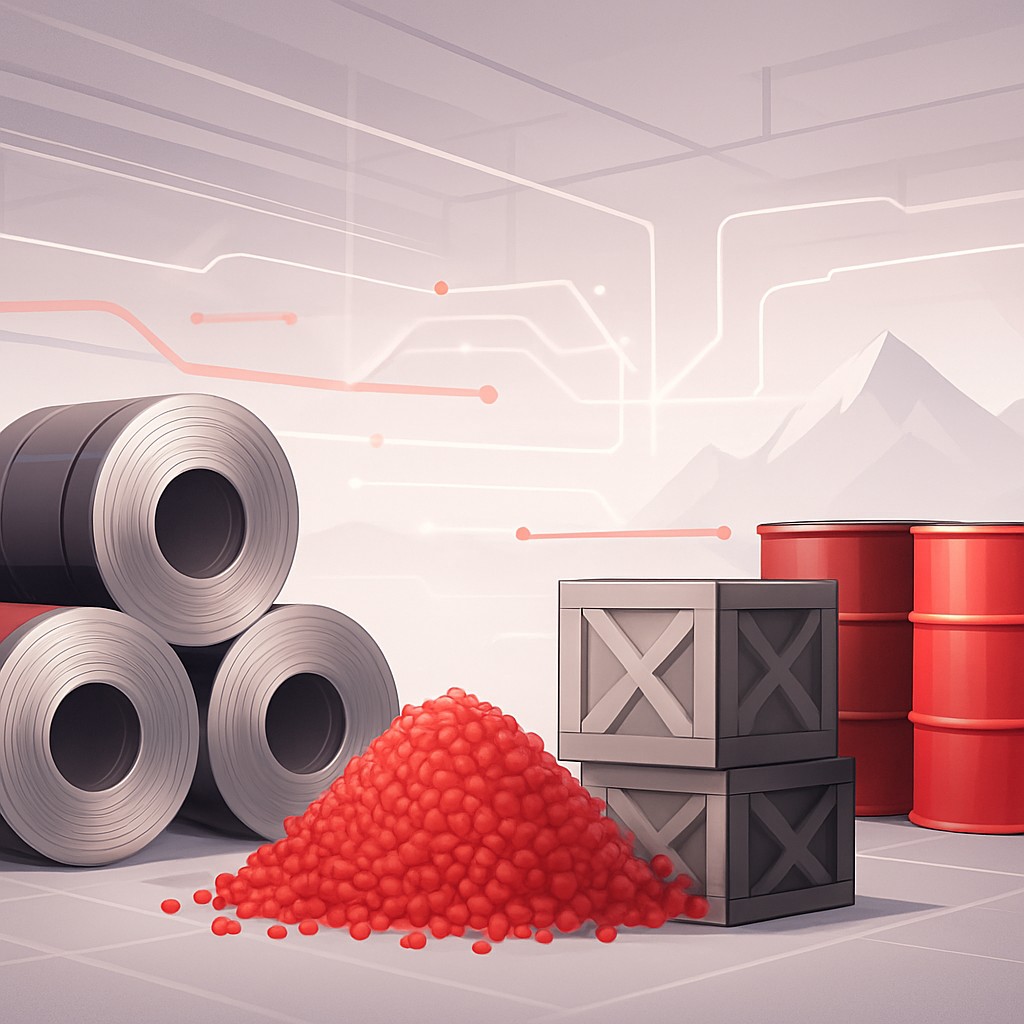
Powering Nepal's Industrial Growth
Raw materials are the lifeblood of any manufacturing economy, and Nepal is no exception. From textiles and food processing to construction and packaging, every finished product begins with reliable access to quality raw inputs. Raw material suppliers occupy a strategic position in this chain, sourcing materials domestically and internationally, then distributing them to factories and workshops across the country.
As Nepal pushes toward greater industrial self-reliance and import substitution, the importance of dependable raw material suppliers has grown significantly. These companies enable manufacturers to maintain steady production schedules, control costs, and meet quality standards, all of which are essential for competing in both domestic and export markets.
The Strategic Role of Raw Material Suppliers
A strong raw material supplier does more than deliver goods. They help manufacturers manage supply-chain risk by maintaining buffer stocks, offering consistent quality, and providing technical guidance on material selection. Many also handle the complexities of importing, including customs clearance and quality certification, which can be daunting for smaller producers.
Reliability is paramount in this sector. A delay in raw material supply can halt entire production lines, leading to costly downtime. The best suppliers distinguish themselves through consistent availability, transparent pricing, and the ability to scale supply in line with their clients' growth.
Top 10 Raw Material Suppliers in Nepal
1. Nepal Industrial Supplies Pvt. Ltd.: A diversified supplier serving multiple industries with chemicals, polymers, and packaging materials. Known for consistent quality and strong import logistics.
2. Himal Iron and Steel: A major source of metal raw materials for the construction and fabrication sectors, valued for steady supply and competitive bulk pricing.
3. Everest Polymers and Plastics: Specializing in plastic granules and polymer inputs for the packaging and consumer-goods industries, this supplier supports a wide range of local manufacturers.
4. Annapurna Chemicals: A trusted provider of industrial chemicals for textiles, food processing, and cleaning-product manufacturers, recognized for quality assurance and safe handling.
5. Sagarmatha Textiles Raw Materials: Supplying yarn, fibre, and dyes to Nepal's garment and textile producers, this company plays a key role in one of the country's important export sectors.
6. Lumbini Agro Inputs: Focused on raw materials for food and agro-processing industries, including grains, oils, and additives sourced at scale.
7. Pashupati Packaging Materials: A leading supplier of cartons, films, and packaging substrates that serve manufacturers across the consumer-goods spectrum.
8. Trishuli Metal Traders: Providing aluminium, copper, and other non-ferrous metals to fabricators and electrical-component makers nationwide.
9. Gandaki Construction Materials: Supplying cement, aggregates, and building inputs to contractors and construction firms, with a reputation for dependable delivery.
10. Newa Industrial Traders: A growing supplier known for sourcing specialty raw materials and supporting small and medium manufacturers with flexible order quantities.
Industry Trends and Challenges
Nepal's raw material supply sector faces both opportunity and challenge. The country's landlocked geography makes logistics and import costs significant factors, encouraging suppliers to invest in efficient warehousing and transport networks. At the same time, government initiatives promoting domestic manufacturing have spurred demand for locally available inputs.
Sustainability is becoming a notable trend, with manufacturers increasingly seeking recycled and environmentally responsible materials. Suppliers that can offer greener alternatives and reliable quality documentation are gaining a competitive edge. Currency fluctuations and global commodity prices also influence the sector, requiring suppliers to manage procurement strategically.
How to Choose a Reliable Supplier
Manufacturers selecting a raw material partner should prioritize consistency, quality certification, and financial stability. A supplier's ability to maintain stock during shortages and to scale alongside a growing business is invaluable. Establishing long-term relationships often results in better pricing, priority allocation, and collaborative problem-solving during supply disruptions.
Conclusion
Raw material suppliers are indispensable to Nepal's industrial ambitions, enabling factories and workshops to operate efficiently and competitively. The ten companies highlighted here represent the dependable backbone of the nation's manufacturing supply chain. As Nepal continues to expand its productive capacity, these suppliers will remain central to the country's economic progress.
