
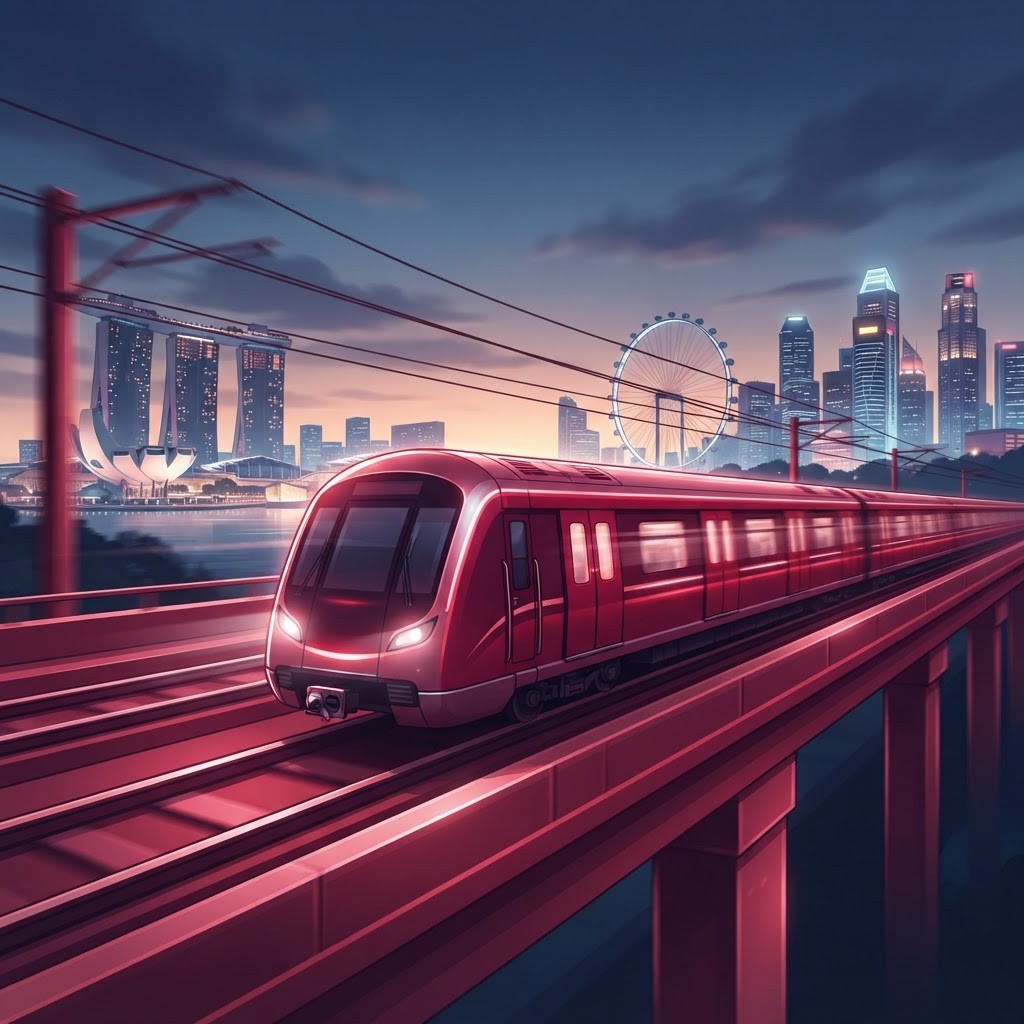
Rail at the Heart of Singapore Transport
The rail network is the backbone of Singapore's public transport system, moving millions of commuters swiftly and reliably across the island each day. The Mass Rapid Transit, widely known as the MRT, together with the Light Rail Transit, or LRT, forms an extensive, interconnected network that links residential neighbourhoods, business districts, tourist attractions, and transport hubs. Clean, punctual, and highly efficient, Singapore's rail system is frequently cited as one of the best in the world.
Behind this seamless experience are dedicated operators and regulatory bodies that plan, run, and maintain the network to exacting standards. Their work ensures that rail travel remains safe, comfortable, and accessible for residents and visitors alike, while continuing to expand to meet the demands of a growing population.
Key Rail Operators and Authorities
Singapore's rail system is run by a small group of operators under close regulatory oversight. SMRT Corporation operates several major MRT lines and LRT services, and is one of the most recognisable names in public transport. SBS Transit, part of the ComfortDelGro group, operates other key MRT lines and LRT routes, bringing healthy operational diversity to the network.
Overseeing the system is the Land Transport Authority, the government body responsible for planning, infrastructure development, and regulation. The LTA sets service standards, invests in new lines, and ensures the network evolves to meet future needs. Together, these organisations form the foundation of Singapore's rail excellence.
A Network Built for the Future
Singapore continues to invest heavily in expanding and upgrading its rail network. New lines and extensions are regularly added to improve coverage, reduce travel times, and enhance connectivity across the island. Major projects aim to bring the vast majority of homes within a short walk of a rail station, supporting the nation's car-lite vision.
Ongoing upgrades to signalling systems, trains, and stations improve capacity and reliability. These investments reflect a long-term commitment to keeping the network modern, resilient, and capable of serving future generations of commuters.
Technology and Innovation
Technology plays a central role in Singapore's rail operations. Advanced signalling systems allow trains to run at higher frequencies with greater safety, reducing waiting times during peak periods. Automated and driverless trains operate on several lines, showcasing the network's technological sophistication.
Passenger-facing innovations include contactless fare payment, real-time service information, and integrated journey planning through mobile apps. Predictive maintenance, powered by data and sensors, helps operators identify and address issues before they cause disruptions, improving overall reliability. These advances ensure that the network remains at the cutting edge of urban rail.
Comfort, Accessibility, and Safety
Singapore's rail system is designed with passengers in mind. Stations and trains are clean, air-conditioned, and accessible, with features such as lifts, tactile guidance, and priority seating that cater to the elderly, families, and people with disabilities. Platform screen doors enhance safety and contribute to smooth, reliable operations.
Safety is a top priority, supported by comprehensive surveillance, clear emergency procedures, and well-trained staff. This focus on comfort, accessibility, and security makes rail travel a preferred choice for a broad cross-section of society.
Benefits of Singapore's Rail Network
The rail network offers numerous benefits. It provides fast, affordable, and environmentally friendly transport that reduces reliance on private cars and eases road congestion. Its extensive coverage and seamless integration with buses and other modes make it easy to travel across the island without a personal vehicle.
For the economy and environment, an efficient rail system supports productivity, reduces emissions, and enhances the overall quality of urban life. For commuters, it delivers reliability and convenience that are difficult to match.
Integration with the Wider Transport Network
One of the greatest strengths of Singapore's rail system is its seamless integration with other modes of transport. Rail stations connect directly to bus interchanges, taxi stands, and cycling paths, enabling smooth transfers and true multimodal journeys. A unified contactless fare system allows commuters to move between trains and buses using a single card or mobile payment, simplifying travel and reducing friction.
This integration supports Singapore's vision of a car-lite society, where public transport is so convenient that private car ownership becomes optional rather than necessary. Well-planned station locations, sheltered walkways, and last-mile connectivity options ensure that commuters can complete their entire journey comfortably, reinforcing the appeal of public transport across all segments of society.
Maintaining World-Class Reliability
Sustaining the network's high reliability requires relentless focus on maintenance and renewal. Operators carry out rigorous inspections, replace ageing components, and upgrade systems to prevent disruptions. Investments in predictive maintenance, powered by sensors and data analytics, allow potential faults to be identified and resolved before they affect service. This proactive approach, combined with transparent communication during any disruptions, helps maintain public trust and keeps Singapore's rail system among the most dependable in the world.
Conclusion
Singapore's railway operators and authorities have built a rail system that stands as a global benchmark for efficiency, reliability, and innovation. Through continuous investment, advanced technology, and a strong focus on passenger experience, the MRT and LRT networks keep the city moving smoothly every day. As the network continues to expand and modernise, rail travel will remain central to Singapore's vision of a connected, sustainable, and car-lite future.
