
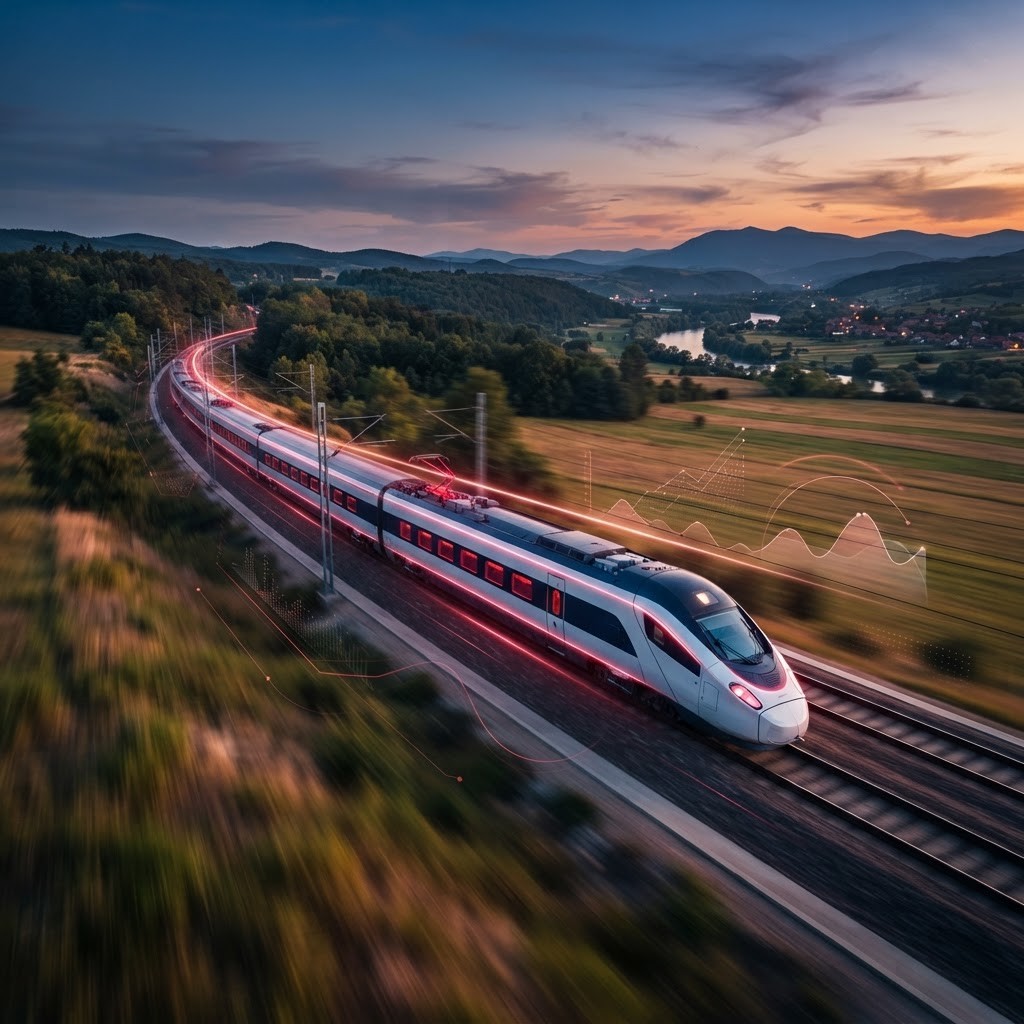
A Railway Network in Transformation
Serbia's railway system is experiencing one of the most significant modernization efforts in its history. Long regarded as a traditional and somewhat aging network, the country's railways are being revitalized through major infrastructure investments, most notably the high-speed line connecting Belgrade and Novi Sad. This transformation is reshaping perceptions of rail travel in Serbia, positioning it as a fast, comfortable, and increasingly attractive option for both passengers and freight.
The railway sector plays a crucial role in Serbia's transport ecosystem, complementing road and river networks. As modernization continues, rail is poised to become an even more important pillar of national and regional mobility.
The Leading Passenger Operator
Srbija Voz is the primary operator responsible for passenger rail services throughout Serbia. Established as part of the reorganization of the national railway system, the company manages domestic and international passenger routes, connecting major cities and linking Serbia with neighboring countries. Srbija Voz has been at the forefront of the modernization drive, introducing modern trains and improved services on key corridors.
The company's operation of high-speed services between Belgrade and Novi Sad has been a landmark development, dramatically reducing travel times and offering a level of comfort and speed previously unseen in the country. This success has generated enthusiasm for further expansion of high-speed rail.
Freight Rail Services
Srbija Kargo handles the nation's rail freight operations, playing a vital role in moving bulk goods, containers, and industrial cargo across Serbia and beyond. Rail freight offers an efficient and environmentally friendly means of transporting heavy loads over long distances, connecting industrial centers, ports, and international corridors.
As part of the broader logistics network, Srbija Kargo supports key sectors of the economy, including manufacturing, agriculture, and mining. Ongoing investment in rolling stock and infrastructure aims to enhance capacity and reliability, strengthening rail's competitiveness in the freight market.
Infrastructure Management
The maintenance and development of Serbia's railway infrastructure fall under the responsibility of Infrastruktura Železnice Srbije. This organization oversees the tracks, signaling systems, stations, and other essential components that enable safe and efficient rail operations. Its work is fundamental to the success of the modernization program.
Major projects, including the reconstruction of key lines and the construction of high-speed corridors, are transforming the physical backbone of the network. These improvements enhance safety, increase speeds, and expand capacity, laying the groundwork for a more capable and modern railway system.
The High-Speed Revolution
The introduction of high-speed rail represents a turning point for Serbian railways. The Belgrade to Novi Sad line, part of the broader corridor intended to eventually reach Budapest, has demonstrated the potential of modern rail to compete with road and air travel. Sleek trains, comfortable interiors, and significantly reduced journey times have attracted enthusiastic ridership.
This project showcases Serbia's commitment to building a world-class railway network. As additional high-speed segments are completed, rail travel is expected to become an even more compelling choice, offering speed, comfort, and convenience for intercity journeys.
Benefits of Rail Travel
Rail travel offers numerous advantages for passengers. Trains provide a comfortable and spacious environment, allowing travelers to relax, work, or enjoy the scenery during their journey. Modern services feature amenities that enhance the experience, while city-center stations offer convenient access without the hassle of airport transfers or parking.
Environmentally, rail is among the most sustainable modes of transport, producing lower emissions per passenger than road or air travel. As sustainability becomes a greater priority, the appeal of rail continues to grow for environmentally conscious travelers and businesses alike.
The Future of Serbian Railways
The outlook for Serbia's railways is promising. Continued investment in high-speed lines, modern rolling stock, and upgraded infrastructure is set to further improve services in the years ahead. Enhanced connections with neighboring countries will strengthen Serbia's position within the broader European rail network, supporting both tourism and trade.
As the modernization program advances, rail is likely to capture an increasing share of both passenger and freight traffic. This momentum reflects a broader vision of efficient, sustainable, and integrated transport that benefits the entire country.
Conclusion
Serbia's railway operators are driving a remarkable transformation that is redefining rail travel in the country. With Srbija Voz leading passenger services, Srbija Kargo managing freight, and Infrastruktura Železnice Srbije modernizing the network, the sector is embracing a future of speed, comfort, and sustainability. The high-speed line between Belgrade and Novi Sad exemplifies this progress, offering a glimpse of the bright future ahead for Serbian railways.
