
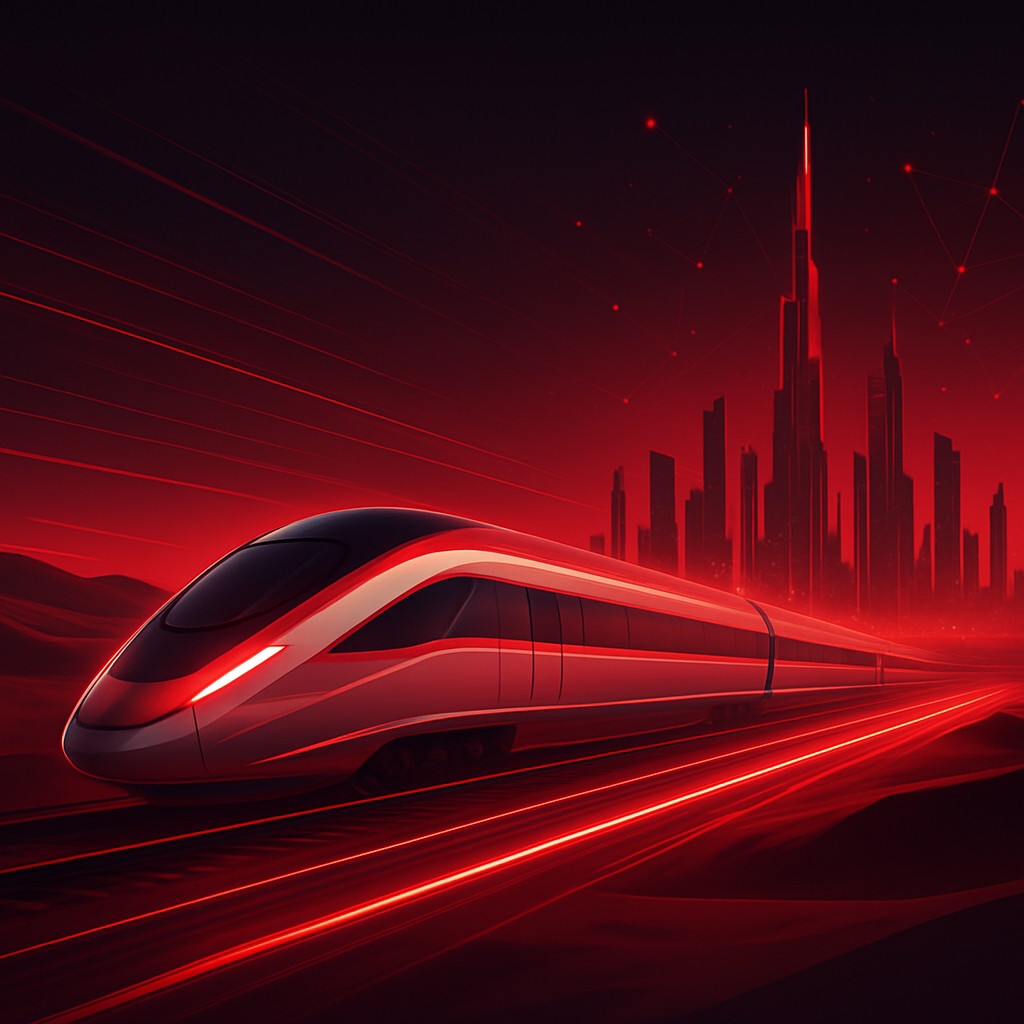
Railways at the Heart of Saudi Mobility
Rail transport has emerged as a transformative force in Saudi Arabia's mobility landscape. As the Kingdom diversifies its economy and reduces reliance on road freight, modern railway networks now connect major population centers, industrial zones, mineral-rich regions, and seaports. This shift supports both passenger comfort and the efficient movement of bulk cargo across the country's expansive terrain.
The development of rail aligns closely with Vision 2030 objectives, easing road congestion, lowering carbon emissions, and unlocking economic opportunities in previously remote areas. Pilgrims, commuters, and freight operators alike now benefit from faster and more reliable connections.
The Significance of Rail Infrastructure
Railways offer unmatched advantages for moving heavy goods such as minerals, phosphates, and construction materials over long distances. Compared to trucking, rail reduces fuel consumption, road wear, and accident risk while delivering predictable schedules. For passengers, high-speed services dramatically cut travel times between key cities, making rail an increasingly attractive alternative to flying or driving.
The strategic importance of these networks is amplified during major events such as the Hajj and Umrah seasons, when millions of pilgrims require safe and efficient transport between holy sites.
The Top 10 Railway Operators
1. Saudi Railway Company (SAR) stands as the flagship operator, managing extensive passenger and freight lines connecting Riyadh to the Eastern and Northern regions. 2. Saudi Arabia Railways operates the historic and vital network linking the capital with Dammam. 3. Haramain High Speed Railway is a marvel of modern engineering, transporting pilgrims between Makkah, Madinah, Jeddah, and King Abdullah Economic City at remarkable speeds.
4. Etihad Rail (regional partner operations) contributes to cross-border connectivity ambitions. 5. Riyadh Metro operations bring urban rail to the capital, easing city congestion. 6. SAR Freight Services specializes in mineral and bulk cargo transport for mining giants.
7. North-South Railway operations link the phosphate and bauxite mines to processing hubs. 8. Makkah Metro serves the dense pilgrim traffic around the holy city. 9. SAR Passenger Services focuses on intercity comfort and reliability. 10. King Abdulaziz Public Transport (Riyadh) integrates metro and bus systems for seamless urban journeys.
Technology and Sustainability in Rail
Saudi railway operators are embracing cutting-edge technology, including automated signaling systems, energy-efficient electric trains, and advanced safety monitoring. High-speed lines like the Haramain railway showcase world-class engineering with smooth, fast, and environmentally conscious operations. These investments reflect a broader commitment to sustainable transport and reduced national carbon footprints.
The Road Ahead for Saudi Railways
The future of rail in Saudi Arabia is exceptionally promising. Planned expansions aim to connect even more cities, integrate with neighboring Gulf networks, and enhance freight capacity to support industrial growth. As these projects mature, railways will play an ever larger role in shaping a connected, efficient, and sustainable Kingdom, offering travelers and businesses dependable mobility for generations to come.
