
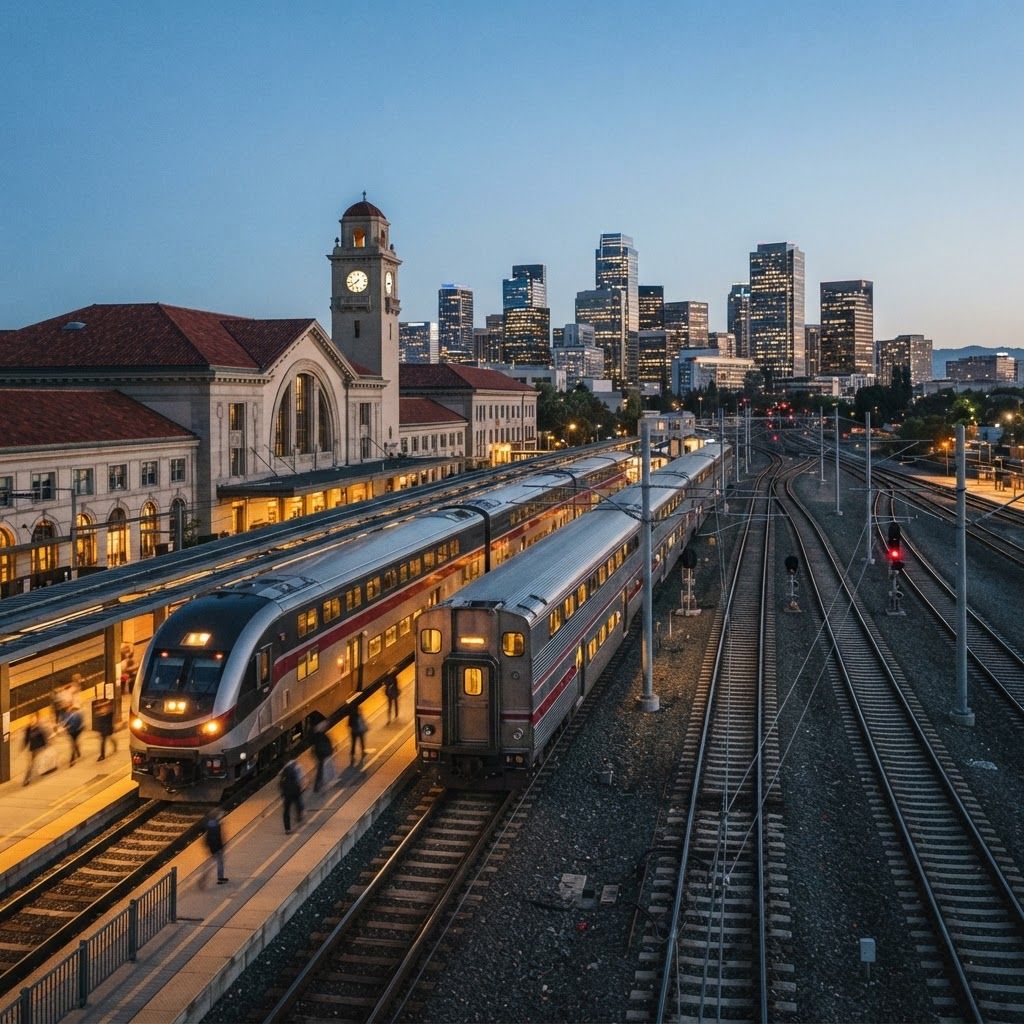
Rail Transport's Role in Connecting San Jose
Railways have long been a vital artery of transportation, and in San Jose they remain essential for connecting the city to the broader Bay Area, Central Valley, and beyond. As traffic congestion continues to challenge commuters, rail offers a fast, reliable, and environmentally friendly alternative for moving large numbers of people and goods. San Jose's position as a major hub makes it a key node in California's expanding rail network.
From commuter services that carry workers to and from Silicon Valley to intercity trains linking distant regions, railway operators provide indispensable mobility. Their role extends beyond passenger transport, encompassing freight rail that supports commerce and industry throughout the state.
What Distinguishes a Leading Railway Operator
Excellence in rail operations rests on several pillars: reliability, safety, comfort, and efficiency. Punctual schedules are essential for commuters who depend on trains for daily travel, while comprehensive safety measures protect passengers and cargo alike. Comfortable, well-maintained rolling stock enhances the travel experience, encouraging more people to choose rail over driving.
Connectivity is another hallmark of top operators. Seamless integration with buses, light rail, and other transit modes allows passengers to complete their journeys smoothly. Investment in modern infrastructure and technology further distinguishes the best railway services from the rest.
Key Railway Operators Serving San Jose
Several operators anchor the rail landscape in and around San Jose. Caltrain provides a crucial commuter link along the Peninsula, connecting San Jose to San Francisco and numerous communities in between. Altamont Corridor Express serves commuters traveling between the Central Valley and Silicon Valley, easing the burden of long-distance commutes.
The Santa Clara Valley Transportation Authority operates light rail service throughout the region, offering convenient local connections. Amtrak provides intercity and long-distance service, linking San Jose to destinations across California and the nation. Freight operators such as Union Pacific Railroad play a vital role in moving goods, while emerging projects associated with California High-Speed Rail promise to reshape the future of rail travel in the region.
Modernization and Electrification
The railway sector in San Jose is undergoing a period of significant modernization. Electrification projects are transforming commuter rail, replacing older diesel equipment with cleaner, quieter, and more efficient electric trains. These upgrades reduce emissions, improve performance, and enhance the overall passenger experience.
Infrastructure investments are also expanding capacity and reliability. Upgraded tracks, modern signaling systems, and renovated stations are making rail travel more attractive and dependable. As these improvements take hold, rail is poised to play an even greater role in regional mobility.
Rail and Sustainability
Rail transport is inherently one of the most sustainable modes of travel, and this advantage is increasingly valued in environmentally conscious California. Trains move large volumes of passengers and freight with far lower emissions per unit than cars or trucks. As the region pursues ambitious climate goals, expanding and improving rail service is a natural strategy for reducing the transportation sector's environmental footprint.
Electrification amplifies these benefits, and continued investment in clean rail infrastructure aligns with broader efforts to build a greener, more resilient transportation system. For commuters and businesses alike, choosing rail is both a practical and an environmentally responsible decision.
Choosing the Right Rail Service
For travelers, selecting the right rail service depends on the journey. Commuters focused on daily travel within the Peninsula may rely on regional commuter lines, while those coming from the Central Valley have dedicated services tailored to their routes. Light rail offers convenient local mobility, and intercity trains connect San Jose to destinations far afield.
Factors such as schedule frequency, connectivity with other transit modes, comfort, and cost all influence the choice. Fortunately, San Jose's diverse rail network offers options for nearly every travel need, making it easier than ever to leave the car at home.
The Future of Rail in San Jose
The outlook for rail in San Jose is bright. Ongoing electrification, infrastructure upgrades, and ambitious high-speed rail plans signal a future in which rail plays an ever more central role in regional transportation. As the population grows and the demand for sustainable mobility increases, railway operators will continue to be essential partners in keeping San Jose connected, efficient, and moving toward a cleaner future.
