
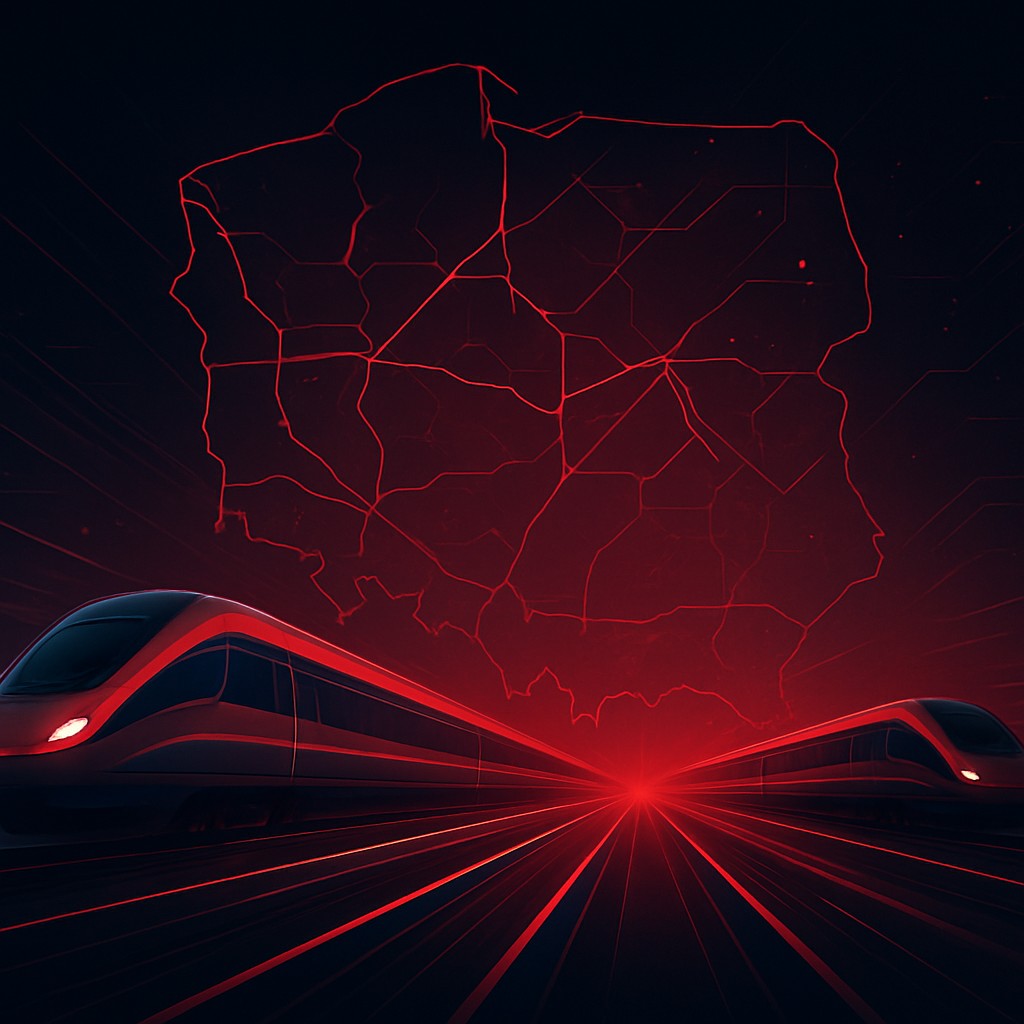
The Backbone of Polish Mobility
Railways have long been central to Poland's transport identity, linking major cities, industrial regions, and international borders. With one of the densest rail networks in Europe, the country relies on its operators to move millions of passengers and vast quantities of freight every year. Ongoing modernisation programmes, supported by European Union funding, have upgraded tracks, stations, and rolling stock, raising the standard of rail travel and transport significantly.
The sector blends state-owned enterprises with regional and private operators, creating a diverse landscape that serves both intercity travellers and local commuters. As demand for sustainable transport grows, rail is increasingly seen as a vital alternative to road and air, reinforcing the importance of reliable and efficient operators.
What Defines a Leading Railway Operator
The best railway operators in Poland are judged on punctuality, comfort, network coverage, and the quality of their rolling stock. Modern operators invest in high-speed and electric trains, comfortable interiors, and digital ticketing systems that simplify the passenger experience. For freight operators, efficiency, capacity, and intermodal integration with road and sea transport are the defining factors.
Safety and reliability remain paramount. Operators that maintain strong safety records while consistently meeting schedules earn the trust of both passengers and business clients. Increasingly, environmental performance also plays a role, as electrified and energy-efficient services align with broader sustainability goals.
Prominent Railway Operators in Poland
PKP Intercity stands as the flagship long-distance passenger operator, connecting major Polish cities with modern, high-speed Pendolino services. Polregio plays a crucial role in regional connectivity, serving smaller towns and rural areas across the country. Koleje Mazowieckie and Koleje Dolnoslaskie are respected regional operators delivering reliable commuter services in their respective voivodeships.
On the freight side, PKP Cargo is the dominant player and one of the largest rail freight operators in the European Union, moving coal, steel, and intermodal containers across borders. DB Cargo Polska and Lotos Kolej also contribute significantly to the freight market, while operators such as SKM (Fast Urban Railway) provide essential metropolitan rail services in regions like the Tricity area. Together, these operators form a comprehensive network serving diverse mobility needs.
Modernisation and Innovation Trends
Poland's railway sector is undergoing a period of substantial transformation. Investments in high-speed rail corridors, station renovations, and new rolling stock are improving both speed and comfort. Digital innovations, including mobile ticketing, real-time journey information, and integrated transport apps, are making rail travel more accessible and convenient.
Freight rail is also evolving, with growing emphasis on intermodal terminals that seamlessly connect rail with road and maritime transport. This integration supports Poland's ambition to handle increasing volumes of trade flowing between Western Europe and markets to the east, positioning rail as a key pillar of the national logistics strategy.
The Future of Rail in Poland
As sustainability and efficiency become ever more important, rail is poised to play an expanding role in Poland's transport future. Continued investment in electrification, high-speed connections, and modern fleets will enhance the appeal of rail for both passengers and businesses. Operators that embrace innovation while maintaining reliability will lead the way in shaping a greener, more connected nation.
For travellers and freight customers alike, the strength of Poland's railway operators offers a compelling case for choosing rail. Their ongoing commitment to modernisation ensures that the country's railways remain a dependable and forward-looking element of its transport ecosystem.
