
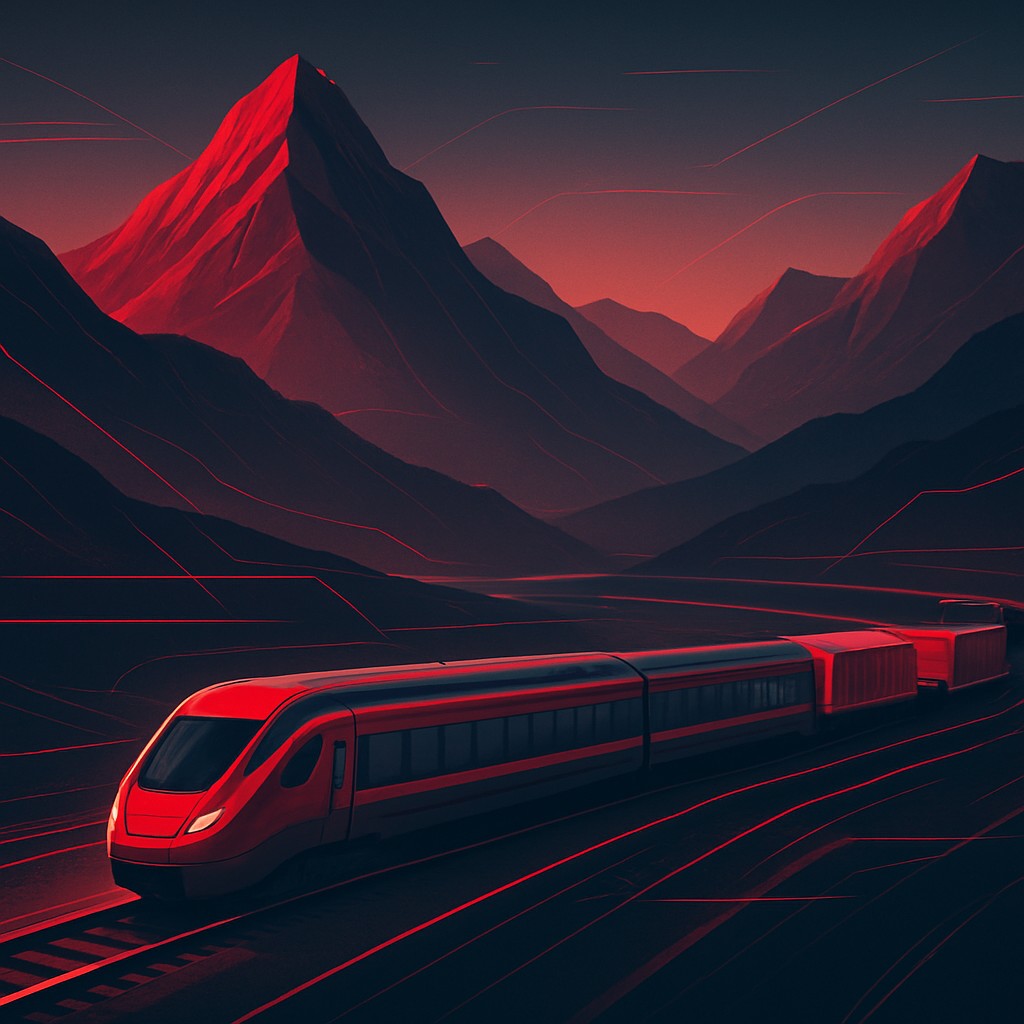
The Unique Character of Peruvian Railways
Railways in Peru occupy a special place in both the transport sector and the national imagination. Built across some of the most challenging terrain on earth, Peru's rail lines climb to dizzying altitudes and traverse spectacular Andean landscapes. While the country's rail network is smaller than its road system, it serves two crucial functions: transporting tourists to world-famous destinations and moving heavy mineral cargo from highland mines to coastal ports.
The combination of engineering marvel and economic necessity makes Peru's railway operators a distinctive part of the transport industry. From luxury tourist trains to robust freight services, these companies deliver experiences and capabilities that no other mode of transport can match in their specific niches.
Leading Railway Operators
PeruRail is the most internationally recognized railway operator in the country, famous for its services connecting Cusco to Machu Picchu. The company offers a range of options, from comfortable Expedition trains to the ultra-luxurious Hiram Bingham, which provides fine dining and panoramic views. PeruRail also operates the legendary Andean Explorer, one of the highest luxury sleeper trains in the world, linking Cusco, Puno, and Arequipa.
Inca Rail is the principal competitor on the Machu Picchu route, offering modern coaches and premium service tiers that appeal to travelers seeking comfort and flexibility. Its panoramic windows and curated onboard experiences have earned it a loyal following among tourists.
On the freight side, Ferrocarril Central Andino operates the central railway, one of the highest standard-gauge railways in the world, transporting minerals and goods between Lima and the central highlands. Ferrocarril Transandino manages key rail infrastructure in the southern region, supporting both passenger and cargo movements. Southern Peru Copper Corporation also operates dedicated rail lines serving its mining operations.
Tourism and Cargo: Two Vital Roles
The tourism railways are central to Peru's travel economy. The journey to Machu Picchu by train is an experience in itself, winding through the Sacred Valley and along the Urubamba River. Luxury services have elevated rail travel into a premium attraction, complete with gourmet meals, observation cars, and curated cultural entertainment. These trains generate significant revenue and support local communities throughout the Cusco region.
Freight railways, meanwhile, play an indispensable role in Peru's mining-driven economy. Transporting heavy mineral concentrates by rail is more efficient and environmentally sustainable than relying solely on trucks for long distances. The central railway's ascent through the Andes is a feat of engineering, enabling the movement of cargo across terrain that would otherwise be extraordinarily difficult to navigate.
The Future of Rail in Peru
There is growing interest in expanding and modernizing Peru's rail infrastructure. Proposed projects, including urban rail and intercity connections, aim to relieve road congestion and provide more sustainable transport options. Investment in rolling stock, track upgrades, and station facilities continues to enhance both passenger comfort and cargo capacity.
For travelers, choosing a railway operator comes down to the destination and desired experience, with PeruRail and Inca Rail leading the tourist market. For industry, freight rail operators provide essential logistics support. Together, Peru's railway operators preserve a remarkable transport heritage while continuing to serve the modern needs of tourism and commerce across one of the most scenic rail landscapes on the planet.
