
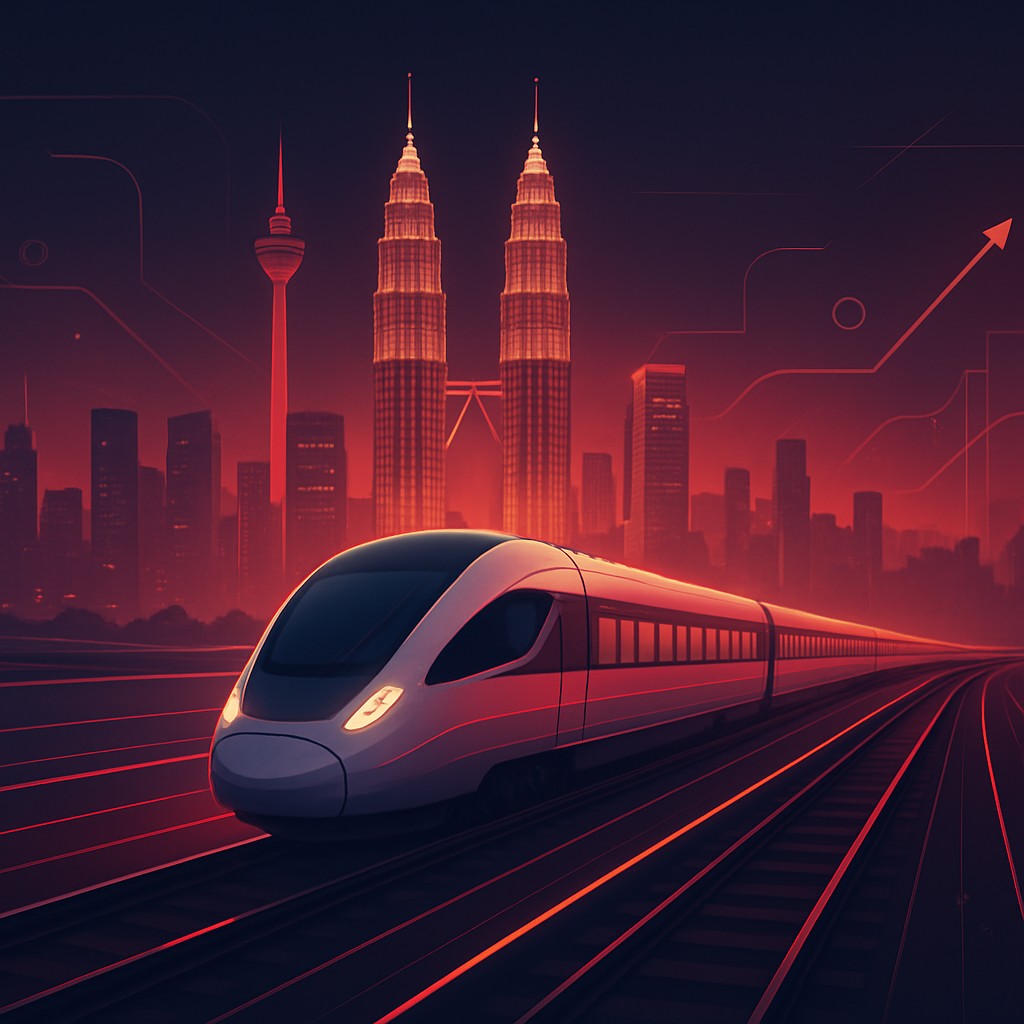
Rail Travel in Malaysia: A Growing Network
Railways have become an increasingly vital part of Malaysia's transport landscape, offering efficient, comfortable, and environmentally friendly travel across both urban and intercity routes. From the bustling commuter lines of the Klang Valley to the high-speed electric trains connecting major cities along the peninsula, the rail network plays a central role in reducing congestion and supporting sustainable mobility. Continued investment in modern infrastructure has elevated the railway experience for millions of daily passengers.
Malaysia's rail system serves a wide range of needs, from short urban commutes to long-distance intercity journeys and even scenic heritage routes. The expansion and modernisation of these networks reflect the country's commitment to building a connected, future-ready transport ecosystem.
The Importance of Reliable Rail Operators
Quality railway operators are defined by punctuality, safety, comfort, and network coverage. Passengers value frequent services, clean and well-maintained trains, and seamless connections between different lines and modes of transport. Integrated ticketing, accessibility features, and clear information systems further enhance the travel experience.
As cities grow and environmental concerns rise, efficient rail operators offer a compelling alternative to road travel, easing traffic and lowering emissions. Their role extends beyond transport, contributing to urban development and economic growth around stations and transit hubs.
Malaysia's Key Railway Operators
Keretapi Tanah Melayu Berhad (KTMB) is the national railway operator, managing intercity services, the popular Electric Train Service (ETS) along the west coast, and commuter rail in the Klang Valley. The ETS in particular has transformed intercity travel, offering fast, comfortable connections between cities like Kuala Lumpur, Ipoh, and Padang Besar.
Rapid Rail, a subsidiary of Prasarana Malaysia, operates the urban transit backbone of the Klang Valley, including the LRT (Light Rail Transit), MRT (Mass Rapid Transit), and Monorail lines. These networks are essential for daily commuters in and around Kuala Lumpur, providing reliable connections across the metropolitan area.
MRT Corp plays a key role in developing the expanding Mass Rapid Transit network, which continues to grow with new lines enhancing connectivity. Express Rail Link (ERL) operates the KLIA Ekspres and KLIA Transit services, providing fast, dedicated rail links between Kuala Lumpur and the international airport, a crucial service for travellers.
Trends in Malaysian Rail Transport
Modernisation and expansion define the current era of Malaysian railways. New MRT and LRT lines are extending coverage, while upgrades to existing systems improve frequency and reliability. Integration is a major theme, with efforts to connect different rail networks and link them seamlessly with buses and other transport modes through unified ticketing.
Sustainability is another driving force, as rail travel is recognised for its lower environmental impact compared to private vehicles. Smart technology, including contactless payments and real-time service updates, is enhancing the passenger experience and encouraging more people to choose rail.
The Future of Rail in Malaysia
Railways are set to play an even greater role in Malaysia's transport future. Continued infrastructure investment, network expansion, and technological upgrades promise faster, more connected, and more sustainable travel. For commuters, intercity travellers, and tourists alike, the country's rail operators offer a dependable and increasingly attractive way to move around.
As urbanisation accelerates and environmental awareness grows, Malaysia's railway operators stand at the forefront of a transport transformation, delivering efficient mobility while supporting the nation's broader goals of sustainability and connectivity.
