
The Evolution of Indian Railways
Indian Railways stands as one of the world's largest railway networks, a lifeline connecting the diverse corners of this vast nation. With a history spanning over 170 years, the railway system has evolved from steam engines to electric locomotives, from basic compartments to luxurious coaches. Today, Indian Railways operates over 13,000 passenger trains daily, serving millions of travelers and playing a crucial role in the country's economic fabric.
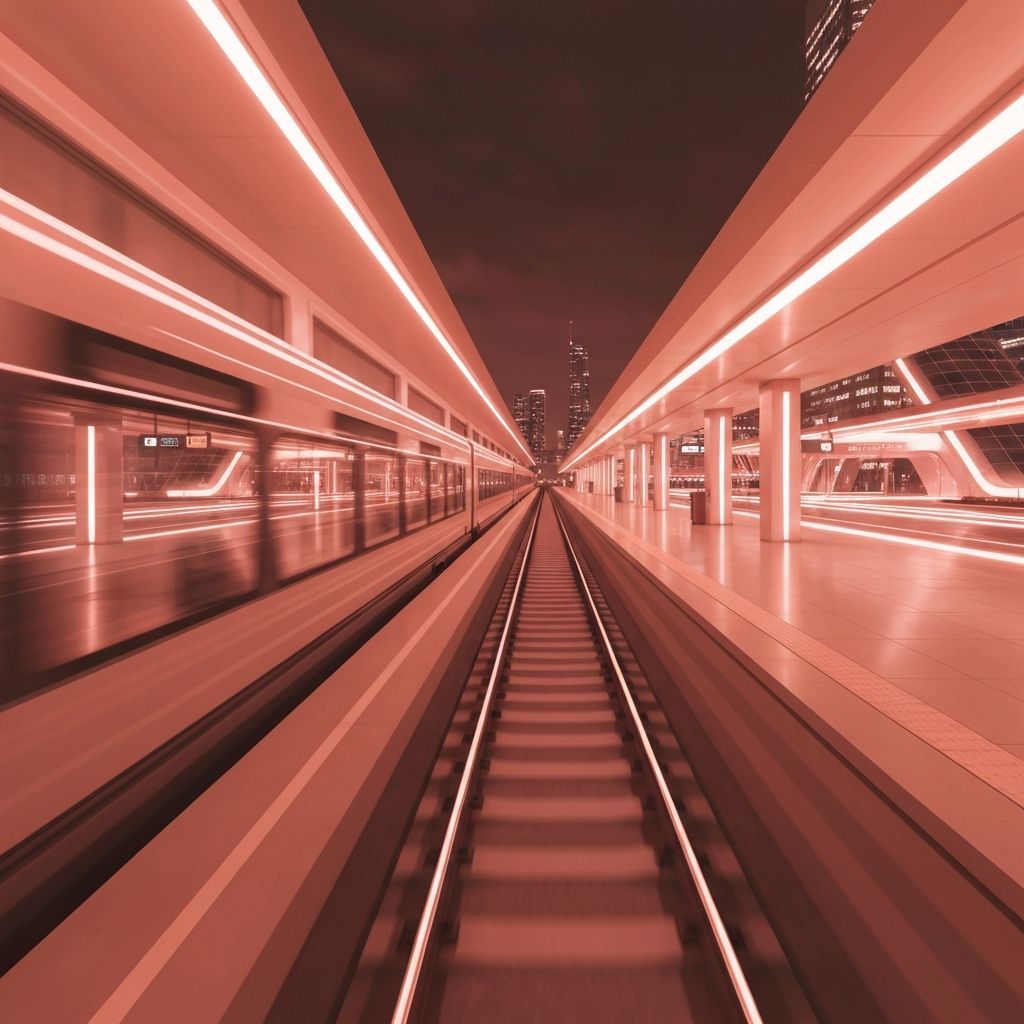
The transformation of Indian Railways in recent years has been remarkable. Massive investments in modernization, electrification, and safety improvements have enhanced the travel experience significantly. The introduction of high-speed rail projects, modern train sets, and upgraded stations reflects the commitment to building world-class railway infrastructure. Private participation in railway operations has further accelerated innovation and service excellence.
Indian Railway Catering and Tourism Corporation (IRCTC)
IRCTC has revolutionized how Indians book train tickets and experience rail travel. As the commercial arm of Indian Railways, IRCTC handles ticketing, catering, and tourism services. Their online booking platform has made train reservations accessible to millions, eliminating the need for physical queues. The mobile application and website serve crores of users, processing millions of bookings daily.
Beyond ticketing, IRCTC operates luxury tourist trains, manages catering services on trains and stations, and offers holiday packages. Their executive lounges at major stations provide comfortable waiting spaces for travelers. The introduction of food delivery services on trains through partnerships with restaurants has enhanced the onboard dining experience for passengers.
Container Corporation of India (CONCOR)
CONCOR dominates the rail freight sector, operating as the largest container transport operator in India. The company manages inland container depots and terminals, facilitating seamless movement of containerized cargo across the country. Their extensive network of terminals serves as vital links in the supply chain for exporters and importers alike.
The company's expertise spans domestic container transport, international container handling, and cold chain logistics. CONCOR's investment in modern handling equipment and terminal infrastructure has improved efficiency significantly. Their strategic partnerships with shipping lines and freight forwarders enable integrated logistics solutions for customers requiring multimodal transportation.
Dedicated Freight Corridor Corporation of India (DFCCIL)
DFCCIL represents a transformational project in Indian freight transportation, developing dedicated rail corridors for freight movement. The Eastern and Western Dedicated Freight Corridors, spanning thousands of kilometers, are designed to decongest the existing railway network and enable faster freight movement. These corridors can accommodate longer and heavier trains, dramatically increasing cargo capacity.
The freight corridors incorporate advanced signaling systems, modern locomotives, and automated operations. By segregating freight and passenger traffic, DFCCIL enables higher speeds and better punctuality for both segments. The project is expected to reduce logistics costs significantly and boost India's manufacturing competitiveness.
Rail Vikas Nigam Limited (RVNL)
RVNL plays a pivotal role in railway infrastructure development across India. The company undertakes project planning, implementation, and management for various railway projects including new lines, gauge conversion, doubling, and electrification. Their portfolio includes several strategic railway projects that enhance connectivity to remote regions.
RVNL's engineering expertise extends to construction of bridges, tunnels, and station buildings. The company has successfully completed numerous challenging projects in difficult terrains, connecting regions previously inaccessible by rail. Their focus on timely delivery and quality construction has earned recognition within the railway sector.
Mumbai Railway Vikas Corporation (MRVC)
MRVC focuses specifically on upgrading Mumbai's suburban railway network, the lifeline of India's financial capital. The company implements projects to increase carrying capacity, improve safety, and enhance commuter amenities. Mumbai's suburban trains carry millions of passengers daily, making infrastructure improvements critical for the city's functioning.
Projects undertaken by MRVC include additional rail corridors, elevated stations, air-conditioned local trains, and modernization of existing infrastructure. The introduction of new AC local trains has provided commuters with a comfortable alternative. Station improvement projects have enhanced passenger facilities including better platforms, foot overbridges, and accessibility features.
Kolkata Metro Rail Corporation (KMRC)
KMRC operates and expands India's first metro railway system, serving the densely populated city of Kolkata. The metro has been a game-changer for urban mobility, providing fast and reliable transportation across the city. KMRC continues to extend the network, connecting more neighborhoods and reducing traffic congestion on roads.
The corporation manages multiple metro lines with modern trains, air-conditioned coaches, and automated fare collection systems. Upcoming projects include underwater metro sections and connections to the airport, further enhancing Kolkata's public transit infrastructure. Safety and passenger comfort remain priorities in their operations.
Delhi Metro Rail Corporation (DMRC)
DMRC has transformed urban transportation in Delhi and the National Capital Region through its extensive metro network. Since commencing operations, the network has expanded to cover hundreds of kilometers with multiple lines connecting key destinations. The Delhi Metro serves millions of passengers daily, significantly reducing vehicular traffic and pollution.
DMRC's excellence in project execution has made it a model for metro systems worldwide. The corporation has implemented advanced technologies including driverless trains on select lines, regenerative braking systems for energy efficiency, and solar power installations. DMRC's expansion to neighboring cities creates an integrated regional transport network.
Chennai Metro Rail Limited (CMRL)
CMRL operates Chennai's metro rail system, providing rapid transit across Tamil Nadu's capital city. The network connects key areas including business districts, residential neighborhoods, and transportation hubs. The metro has improved connectivity and reduced travel times significantly for Chennai's commuters.
The corporation continues expanding the network with new lines under construction and planning. Chennai Metro features modern trains, station amenities, and integration with other public transport modes. Environmental sustainability is prioritized through energy-efficient systems and last-mile connectivity solutions.
Lucknow Metro Rail Corporation (LMRC)
LMRC has brought modern metro connectivity to Uttar Pradesh's capital city. The Lucknow Metro network serves major corridors, connecting residential areas with commercial centers, government offices, and historical sites. The system has improved urban mobility and set new standards for public transportation in the state.
LMRC's operations emphasize safety, punctuality, and passenger satisfaction. The corporation has implemented advanced operational systems and maintains high service standards. Future expansion plans aim to cover more areas of the city, making metro connectivity accessible to a larger population.
The Future of Rail in India
India's railway sector is embarking on ambitious transformation journeys. The bullet train project between Mumbai and Ahmedabad represents India's entry into high-speed rail, promising to revolutionize inter-city travel. Vande Bharat trains, manufactured domestically, are setting new standards for semi-high-speed rail travel with modern amenities.
Station redevelopment projects are transforming railway stations into modern transit hubs with commercial facilities. Private train operations are introducing competition and innovation in passenger services. As India continues investing in railway infrastructure, the sector will remain central to the nation's transportation ecosystem, connecting communities and driving economic growth for generations to come.
