
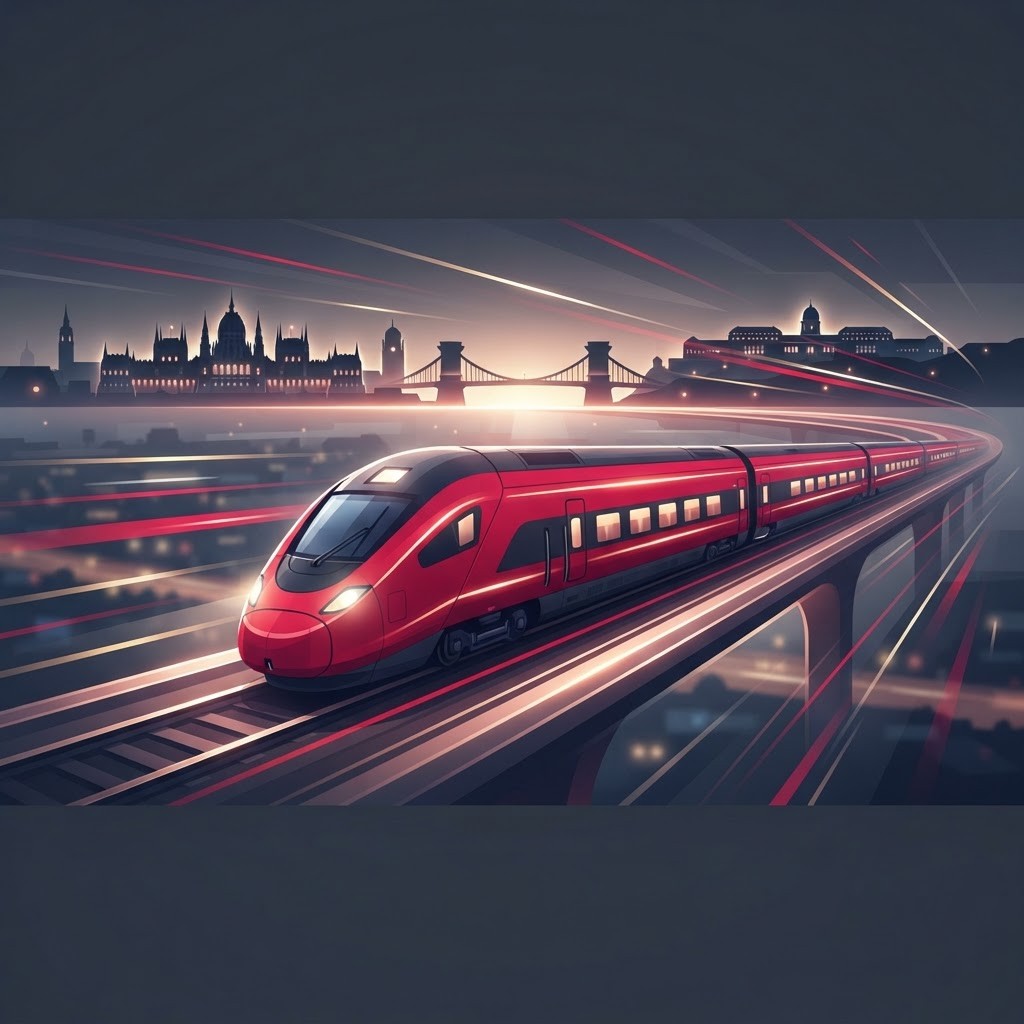
A Rich Railway Heritage
Hungary boasts one of the oldest and most extensive railway networks in Central Europe, with lines radiating outward from Budapest like spokes on a wheel. Rail has long been central to the nation's transport identity, connecting the capital to regional centers, resort towns, and international destinations. Today the network continues to serve both passenger and freight needs, forming a vital part of the country's mobility and economic infrastructure.
Ongoing investment in electrification, track upgrades, and modern rolling stock is steadily transforming the passenger experience, making rail an increasingly attractive and sustainable alternative to road travel.
Leading Railway Operators in Hungary
MÁV-START is the primary passenger rail operator, running the vast majority of domestic services across the country. As the passenger arm of the national railway, it connects Budapest with cities such as Debrecen, Miskolc, and Szeged, as well as scenic routes to Lake Balaton.
GYSEV (Raaberbahn) operates in the western part of Hungary and across the Austrian border, praised for punctuality, modern trains, and efficient cross-border service between Hungary and Austria.
MÁV-HÉV manages the suburban railway lines around Budapest, providing crucial commuter connections between the capital and its surrounding towns.
Rail Cargo Hungaria is the leading rail freight operator, moving industrial goods, raw materials, and containers across national and international routes as part of a wider European rail freight network.
CER Cargo and other private freight operators add competition and flexibility to the cargo segment, serving specialized industrial clients with tailored rail solutions.
What Makes a Railway Operator Stand Out
For passengers, punctuality and reliability are the defining measures of quality. The best operators maintain consistent schedules, communicate clearly during disruptions, and invest in comfortable, well-equipped trains. Modern amenities such as air conditioning, accessible carriages, and digital ticketing significantly enhance the travel experience.
In the freight arena, operators are judged on their ability to move large volumes reliably and cost-effectively, with strong intermodal connections to ports and logistics hubs. Safety, regulatory compliance, and network integration are essential to maintaining trust among both passengers and commercial clients.
Modernization and Key Trends
Electrification remains a top priority, reducing reliance on diesel and cutting emissions across the network. New and refurbished trains are entering service, offering quieter, smoother, and more energy-efficient journeys. Digital ticketing platforms and real-time passenger information systems are making rail travel more convenient and accessible.
Rail freight is also gaining renewed importance as businesses seek greener alternatives to road transport. Investment in intermodal terminals and improved cross-border coordination is strengthening rail's competitiveness for long-distance cargo. Meanwhile, integration with buses, trams, and metro services is creating more seamless door-to-door journeys for passengers.
Choosing the Right Rail Service
For travelers, the choice of rail service often comes down to route and destination, as different operators serve distinct regions of the country. Comparing journey times, comfort levels, and connection options helps ensure a smooth trip. Commuters around Budapest benefit from suburban lines, while long-distance travelers can enjoy the reach of the national network.
Businesses seeking rail freight solutions should evaluate an operator's network coverage, capacity, and intermodal capabilities. Reliability and the ability to integrate rail into a broader logistics strategy are key factors in selecting the right partner.
Conclusion
Hungary's railway sector blends a proud heritage with a clear commitment to modernization. The operators highlighted here keep the nation connected, moving both people and goods efficiently across a historic yet evolving network. As electrification, new trains, and digital services continue to advance, rail travel in Hungary is poised to become ever more comfortable, sustainable, and integral to the country's transport future.
