
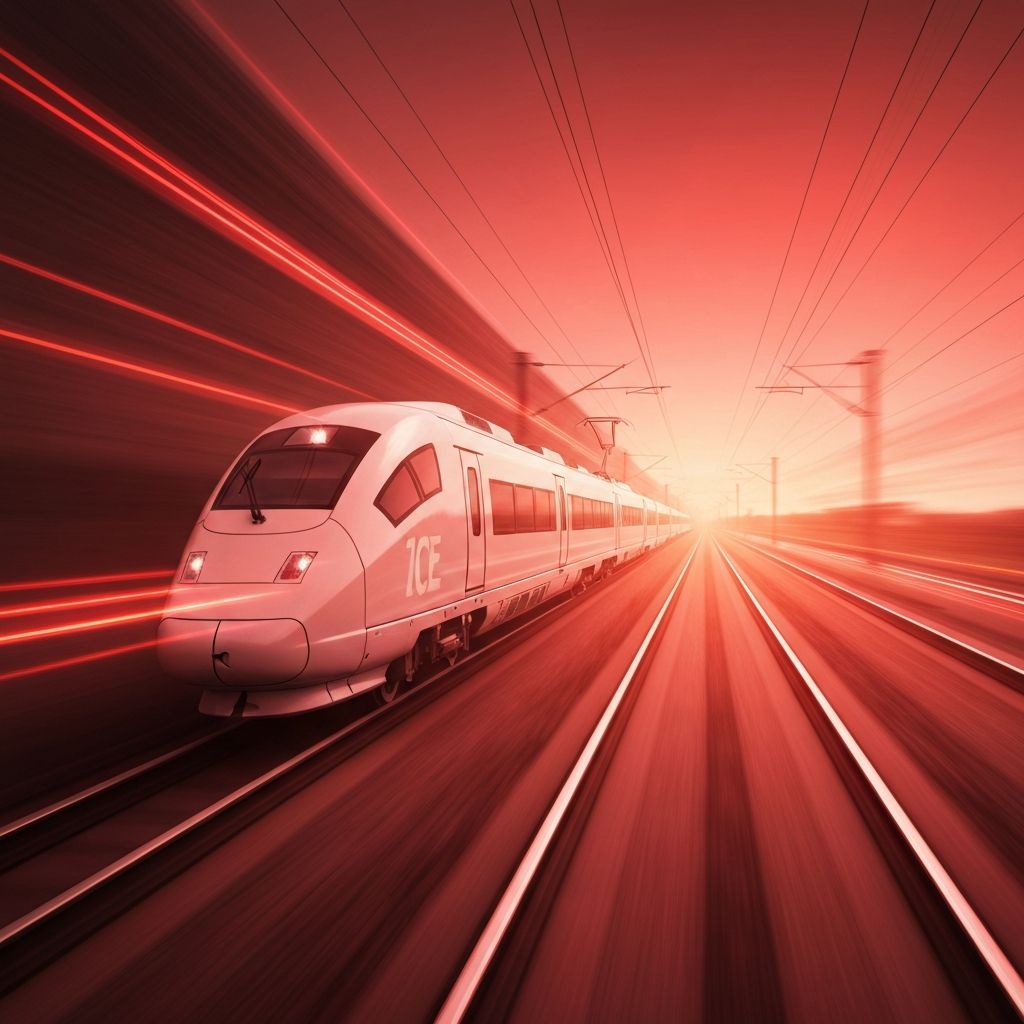
The Importance of Rail Travel in Germany
Germany's railway system is one of the largest, most efficient, and most extensive in Europe. With over 33,000 kilometers of track, the country offers seamless connections between cities, regions, and neighboring nations. Trains in Germany are valued for their punctuality, comfort, and sustainability, making them a preferred choice for both business and leisure travelers. The rail industry also plays a vital role in freight transport, supporting Germany's manufacturing and export-driven economy.
Leading Railway Operators in Germany
Deutsche Bahn (DB) is the largest railway operator in Germany and one of the biggest in the world. Its services include the iconic ICE high-speed trains, IC and EC intercity services, regional trains, and the S-Bahn networks in major cities. DB connects nearly every corner of the country and runs international routes to neighboring countries.
FlixTrain has emerged as a strong private competitor to Deutsche Bahn, offering long-distance routes at competitive prices. It operates on key corridors like Berlin–Munich and Hamburg–Cologne, attracting budget-conscious travelers.
Transdev Germany is a major private operator running regional services across multiple states. Its brands include NordWestBahn and trans regio, providing reliable commuter and regional connections.
Abellio Germany, although the parent company has faced restructuring, continues to operate several regional networks under new ownership, particularly in central Germany.
National Express Germany runs regional rail services in North Rhine-Westphalia and is known for modern fleets and customer-focused operations.
Specialized and Regional Operators
BOB (Bayerische Oberlandbahn) serves the Bavarian Alps region, connecting Munich to popular destinations like Tegernsee and Bayrischzell. It is favored by hikers and skiers.
Bayerische Regiobahn (BRB) covers additional Bavarian routes, complementing DB's regional service in the area.
Vlexx operates regional services in Rhineland-Palatinate, Saarland, and Hesse, connecting smaller towns with major urban centers.
ODEG (Ostdeutsche Eisenbahn) provides reliable regional services across Berlin, Brandenburg, Saxony, and surrounding states. It is recognized for its commitment to passenger experience.
HLB (Hessische Landesbahn) serves Hesse and parts of neighboring states with regional and S-Bahn services, contributing to local mobility and economic connectivity.
High-Speed and Long-Distance Travel
The ICE (InterCity Express) is the crown jewel of German rail travel. Capable of reaching speeds up to 300 km/h, ICE trains offer spacious seating, onboard dining, free Wi-Fi, and quiet zones. They connect major cities like Berlin, Hamburg, Munich, Frankfurt, and Cologne, often making them faster than flying when factoring in airport time.
Regional and Commuter Services
Regional Express (RE), Regionalbahn (RB), and S-Bahn services form the backbone of daily commuting in Germany. These trains run frequently, connect smaller towns to urban centers, and integrate seamlessly with subways, trams, and buses. The Deutschland-Ticket, a flat monthly pass for all regional and local transport, has made commuting more affordable and accessible than ever.
Freight and Industrial Rail
DB Cargo is the largest rail freight operator in Europe, moving goods across the continent. Private freight operators like Captrain Deutschland, HSL Logistik, and SBB Cargo International also play significant roles, supporting industries from automotive to chemicals.
Sustainability and Innovation
German railways are deeply committed to sustainability. Trains powered by renewable energy, the electrification of more lines, and the introduction of hydrogen-powered trains are part of the country's environmental strategy. Digitalization initiatives, including real-time tracking, automated ticketing, and predictive maintenance, are also transforming the industry.
Choosing the Right Train Service
Passengers can choose based on budget, speed, and route. Deutsche Bahn offers the broadest coverage and premium options, while FlixTrain provides budget-friendly alternatives. Regional operators are excellent for shorter trips and tourist routes. Booking in advance, using rail passes, and exploring discount cards like the BahnCard can significantly reduce travel costs.
Final Thoughts
Germany's railway industry represents a perfect blend of tradition, technology, and sustainability. With multiple operators offering diverse services, train travel in Germany remains one of the most efficient and enjoyable ways to explore the country. Whether commuting to work, traveling between cities, or moving freight, the German rail system continues to set global benchmarks.
