
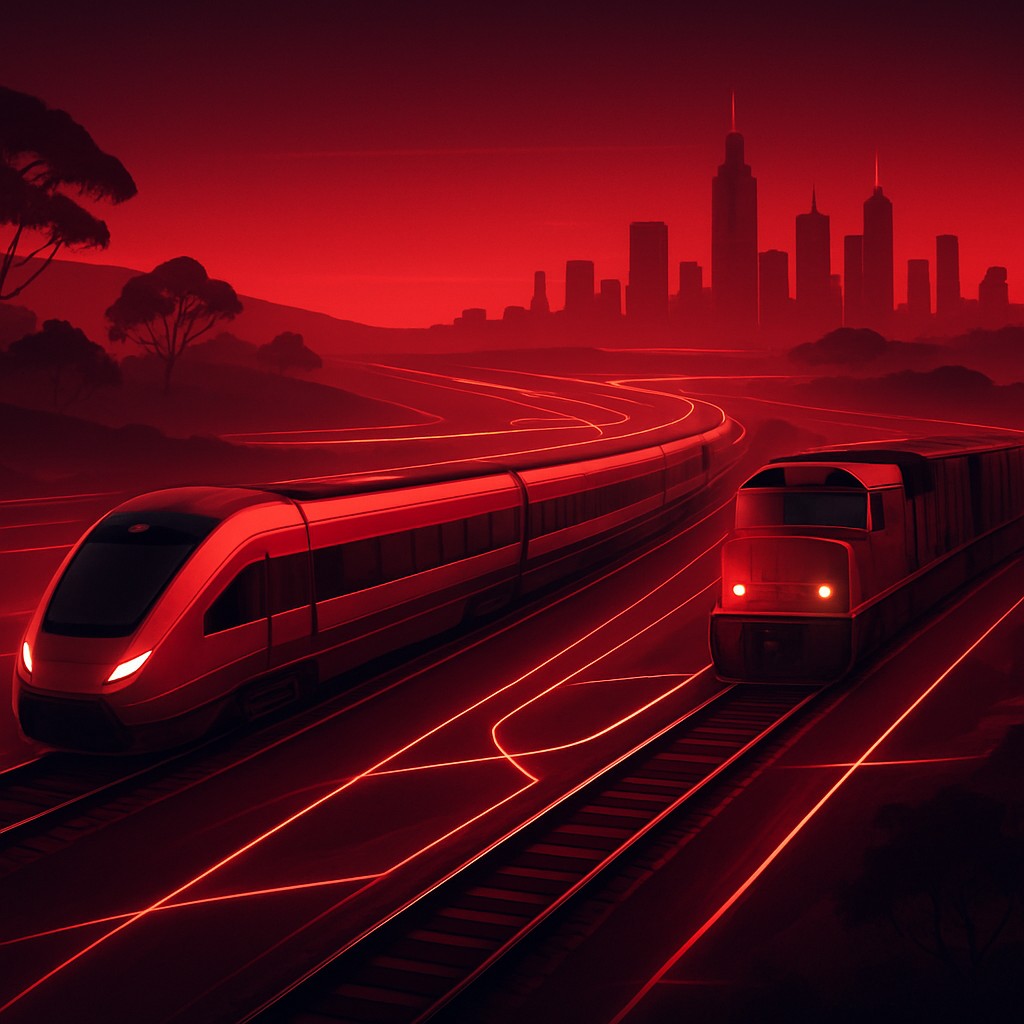
Rail: A Vital Link Across the Continent
Railways have played a defining role in shaping Australia, connecting distant cities, opening up the interior, and supporting the mining and agricultural industries that underpin the economy. Today, rail remains a critical mode of transport for both passengers and freight. Suburban networks move millions of commuters daily, long-distance services offer iconic journeys across the outback, and freight railways haul enormous volumes of bulk commodities efficiently and sustainably. The sector blends government-owned passenger operators with private freight and infrastructure companies, creating a diverse and essential industry.
What Defines a Leading Railway Operator
Excellence in rail operations is measured by reliability, safety, network coverage, and service quality. For passenger operators, punctuality, comfort, accessibility, and integrated ticketing are paramount. For freight operators, efficiency, capacity, and the ability to move heavy loads over long distances reliably are key. Strong operators invest in modern rolling stock, well-maintained infrastructure, and advanced signalling and safety systems. Sustainability credentials and the capacity to support growing demand also distinguish the most respected players in the industry.
The Top 10 Railway Operators
Aurizon is Australia's largest rail freight operator, renowned for hauling bulk commodities such as coal and iron ore across extensive networks. Pacific National is a major freight rail company moving containerised goods, bulk freight, and intermodal cargo nationwide. Sydney Trains operates one of the country's busiest suburban passenger networks, serving millions of commuters across greater Sydney.
Metro Trains Melbourne runs Melbourne's extensive metropolitan rail system with a focus on reliability and capacity. Queensland Rail provides both passenger and regional services across a vast state network, including long-distance travel. Journey Beyond operates iconic long-distance experiences such as legendary transcontinental rail journeys celebrated worldwide.
Transperth Trains delivers efficient suburban rail services across Perth with a modern, expanding network. V/Line connects regional Victoria with Melbourne through extensive passenger services. Adelaide Metro operates South Australia's suburban rail network with ongoing electrification and modernisation. Completing the list, Genesee & Wyoming Australia provides important freight rail services, particularly across regional and resource-rich areas.
Passenger Rail in Australia
Passenger rail serves two distinct purposes across the country. Metropolitan networks in cities such as Sydney, Melbourne, Brisbane, Perth, and Adelaide provide essential daily commuting, integrated with buses and trams through smart ticketing systems. Regional services connect rural towns with major centres, supporting communities and tourism. Long-distance journeys offer travellers an unforgettable way to experience the continent's landscapes, combining comfort and scenery on routes that have become bucket-list experiences for visitors from around the world.
Freight Rail and the Economy
Freight rail is a powerhouse of the Australian economy, moving vast quantities of minerals, grain, and containerised goods with remarkable efficiency. Dedicated heavy-haul lines in mining regions transport iron ore and coal to ports, supporting major export industries. Intermodal freight, which combines rail and road, offers a cost-effective and lower-emission alternative for long-haul movements. Continued investment in rail infrastructure, including major interstate freight corridors, aims to boost capacity and reduce reliance on road transport.
Technology and Modernisation
The rail sector is undergoing significant modernisation. Advanced signalling systems, automated train control, and improved scheduling enhance safety and capacity. New rolling stock offers greater comfort, accessibility, and energy efficiency for passengers. Electrification projects are reducing emissions and operating costs on suburban networks, while digital ticketing and real-time passenger information improve the travel experience. In freight, data analytics and predictive maintenance are increasing reliability and reducing downtime.
Sustainability and Future Outlook
Rail is one of the most environmentally efficient modes of transport, moving large volumes of people and goods with relatively low emissions per tonne or passenger kilometre. As Australia pursues its sustainability goals, rail is positioned to play an even greater role in reducing the carbon footprint of transport. Major infrastructure investments, including high-capacity freight corridors and metropolitan network expansions, signal a strong future for the industry, supporting population growth and economic development.
Iconic Rail Journeys and Tourism
Beyond their practical role, Australia's railways offer some of the most celebrated travel experiences in the world. Long-distance journeys traverse vast deserts, fertile plains, and dramatic coastlines, allowing passengers to witness the continent's extraordinary scale and beauty from the comfort of well-appointed carriages. These experiences combine fine dining, comfortable accommodation, and off-train excursions, turning transport into a destination in itself. Rail tourism contributes meaningfully to regional economies, drawing visitors to towns and attractions along the routes. For many travellers, both domestic and international, a great Australian rail journey is a once-in-a-lifetime adventure that showcases the romance of train travel while highlighting the country's diverse and stunning landscapes.
Conclusion
Railway operators are fundamental to Australia's transport network, moving people and goods across cities, regions, and the vast interior. Freight leaders such as Aurizon and Pacific National drive the resource economy, while passenger operators like Sydney Trains, Metro Trains Melbourne, and Queensland Rail keep communities connected. With ongoing investment in technology, modernisation, and sustainability, Australia's railways are set to remain a vital and efficient pillar of national transport for generations to come.
