
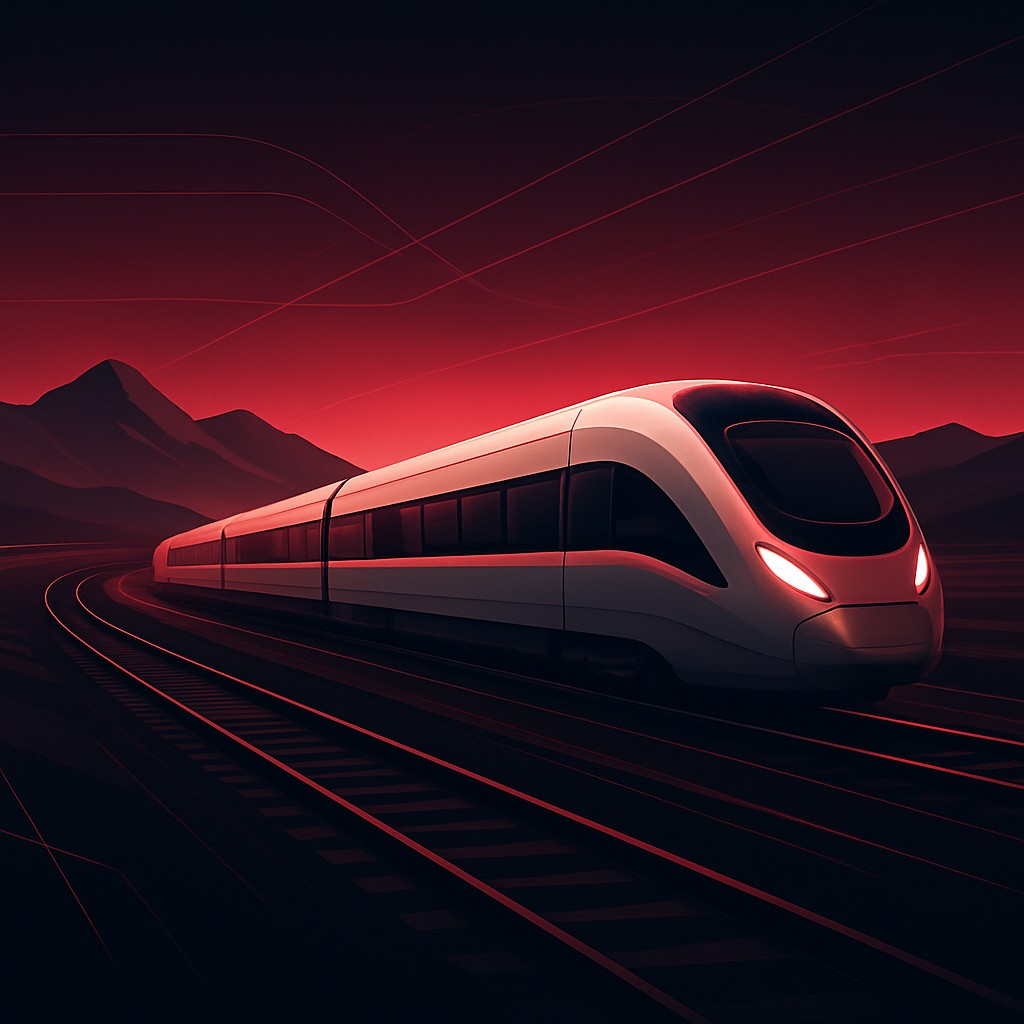
The Legacy and Revival of Argentine Railways
Argentina possesses one of the most extensive railway networks in South America, a legacy of a golden era when trains connected the fertile pampas with bustling ports. Although the network experienced decades of decline, recent years have seen renewed investment and modernisation, breathing new life into both passenger and freight rail services. Today, railway operators play a crucial role in moving people and goods across the country's vast terrain.
The revival of rail transport carries significant economic and social benefits, offering affordable commuter options, reducing road congestion, and providing efficient bulk freight movement. Understanding the key operators reveals how this vital sector continues to evolve.
Major Passenger Rail Operators
Passenger rail in Argentina is largely operated under state coordination through Trenes Argentinos, which manages commuter and long-distance services. The Buenos Aires metropolitan network, including lines such as the Mitre, Sarmiento, Roca, San Martín, and Belgrano Sur, carries millions of daily commuters, forming the backbone of urban mobility in the capital region.
Long-distance passenger services connect Buenos Aires with destinations like Mar del Plata, Rosario, Córdoba, and Tucumán. These routes have benefited from refurbished trains and improved schedules, offering an affordable and scenic alternative for intercity travel across the country.
Freight Rail and Cargo Movement
Freight rail is a cornerstone of Argentina's logistics, particularly for transporting agricultural commodities and minerals over long distances. Trenes Argentinos Cargas operates major freight lines, including the Belgrano, San Martín, and Urquiza networks, moving grain, fertiliser, and bulk goods toward ports and industrial centres.
Efficient freight rail reduces transport costs and relieves pressure on the road network, making it essential for the competitiveness of Argentina's export-driven economy. Ongoing infrastructure upgrades aim to increase capacity and reliability across these critical corridors.
Tourist and Scenic Railways
Beyond commuter and freight services, Argentina boasts iconic tourist railways that showcase its breathtaking landscapes. The Tren a las Nubes in the northwest climbs to dizzying altitudes through the Andes, offering one of the highest railway experiences in the world. La Trochita, the Old Patagonian Express, charms visitors with its narrow-gauge steam journey through southern scenery.
These heritage and scenic operations preserve railway history while attracting tourism, contributing to regional economies and celebrating Argentina's rich rail traditions.
Modernisation and Investment
The railway sector has seen substantial modernisation, including the acquisition of new rolling stock, track renewal, and signalling upgrades. These improvements have enhanced safety, punctuality, and passenger comfort, encouraging greater ridership. Electrification projects and station renovations further demonstrate the commitment to revitalising rail transport.
Investment in freight infrastructure promises to expand capacity, enabling rail to capture a larger share of bulk cargo movement and support sustainable logistics.
The Future of Rail in Argentina
Railways are increasingly recognised as a sustainable transport solution, offering lower emissions per tonne and passenger compared with road alternatives. Continued investment, network expansion, and integration with other transport modes position rail as a key component of Argentina's future mobility and logistics strategy.
Conclusion
Railway operators in Argentina are central to the nation's connectivity, moving commuters, intercity travellers, and vital freight across enormous distances. With ongoing modernisation and renewed investment, the sector is reclaiming its historic importance while embracing sustainability. From daily commuter lines to spectacular scenic journeys, Argentina's railways continue to link communities and power the economy.
