
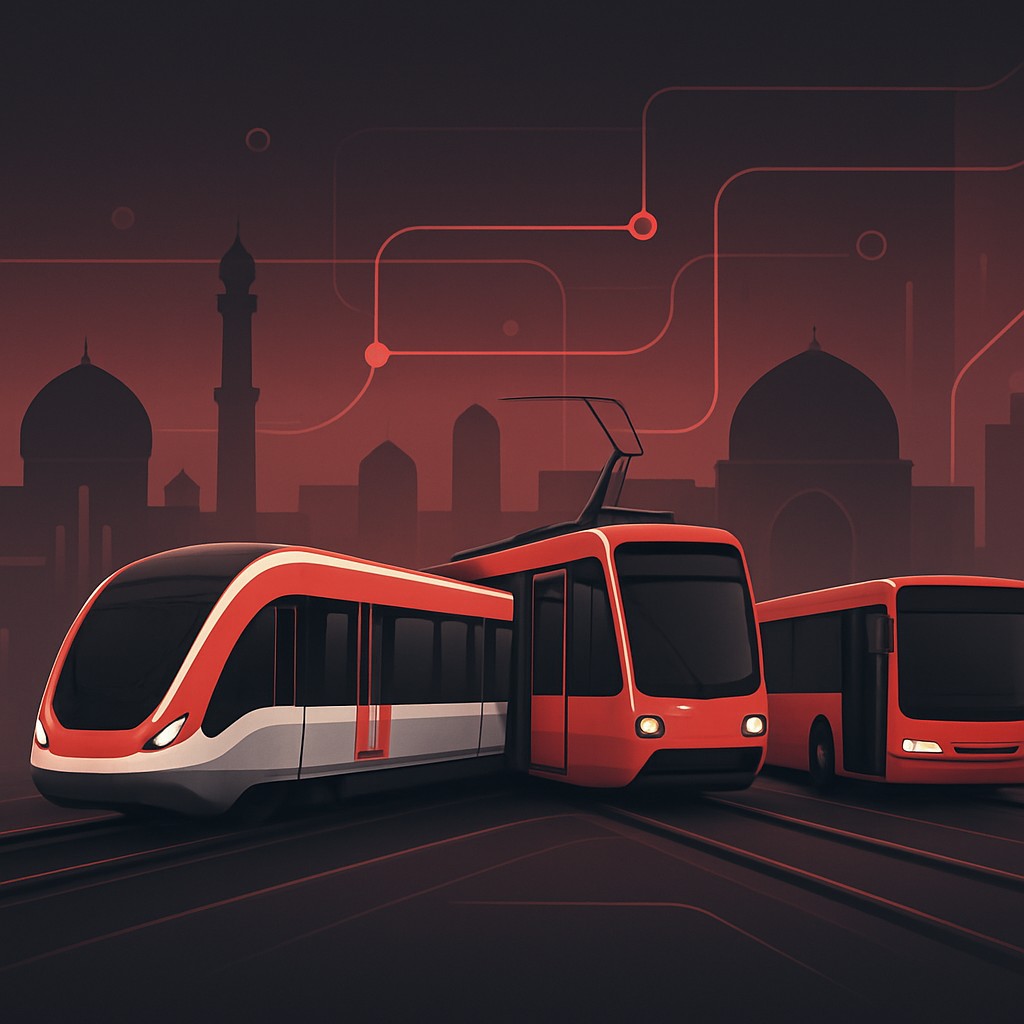
Urban Mobility in Uzbekistan
Public transit is the lifeblood of Uzbekistan's cities, providing affordable and accessible mobility for millions of residents every day. In a country experiencing rapid urbanization, efficient public transportation is essential for reducing congestion, supporting economic activity, and improving quality of life. From the metro and buses of Tashkent to the trams and minibuses serving regional centers, public transit services form an integrated network that keeps cities moving. Recent investments in modernization are enhancing the comfort, reliability, and reach of these services.
For both residents and visitors, public transit offers a practical and economical way to navigate Uzbekistan's vibrant urban centers.
The Tashkent Metro: A Crown Jewel
The Tashkent Metro stands out as one of the most impressive public transit systems in Central Asia. Renowned for its beautifully designed stations, each featuring unique architecture and artistic themes, the metro is both a functional transport system and a cultural landmark. It provides fast, reliable, and affordable travel across the capital, helping commuters avoid surface traffic and reach their destinations efficiently.
Managed under the city's transport authority, the metro has expanded in recent years with new lines and stations, extending its reach to growing neighborhoods. Its continued development reflects Tashkent's commitment to sustainable urban mobility and modern infrastructure.
Buses, Trams, and Beyond
Beyond the metro, an extensive network of buses serves Tashkent and cities throughout Uzbekistan. Toshshahartransxizmat plays a central role in operating urban and suburban bus services in the capital, managing large fleets that connect neighborhoods, business districts, and transport hubs. Modern, air-conditioned buses have been introduced to improve passenger comfort and reliability.
Trolleybuses and trams have historically been part of the urban transit mix, offering electric-powered transport in several cities. Minibuses, known locally as marshrutkas, provide flexible, frequent service along popular routes, filling gaps in the formal network. Together, these modes create a comprehensive system that meets diverse mobility needs.
Modernization and Innovation
Public transit in Uzbekistan is undergoing significant modernization. Cities are investing in new buses, including environmentally friendly models powered by natural gas and electricity, to reduce emissions and improve air quality. Contactless payment systems and electronic ticketing are being introduced, making fare payment more convenient and reducing the need for cash.
Route optimization, real-time tracking, and improved scheduling are enhancing the reliability and efficiency of services. These innovations reflect a broader effort to create smarter, more sustainable urban transport systems that meet the expectations of modern city dwellers.
Benefits of Strong Public Transit
Robust public transit systems deliver numerous benefits to Uzbekistan's cities. They provide affordable mobility for residents of all income levels, reduce traffic congestion, and lower environmental impact compared to private car use. Efficient transit supports economic activity by connecting workers to jobs and customers to businesses. For tourists, accessible public transport makes it easy to explore cultural attractions and navigate unfamiliar cities.
The Future of Public Transit
As Uzbekistan's cities continue to grow, public transit will play an even more critical role in shaping sustainable urban development. Ongoing investments in metro expansion, modern fleets, and digital systems promise to improve the passenger experience and increase ridership. The shift toward cleaner, electric-powered transport aligns with national goals for environmental sustainability and improved urban living.
With a strong foundation and a clear commitment to modernization, Uzbekistan's public transit services are well positioned to provide efficient, comfortable, and sustainable mobility for years to come. Whether commuting to work or exploring the city, residents and visitors can rely on a transit network that continues to evolve and improve.
