
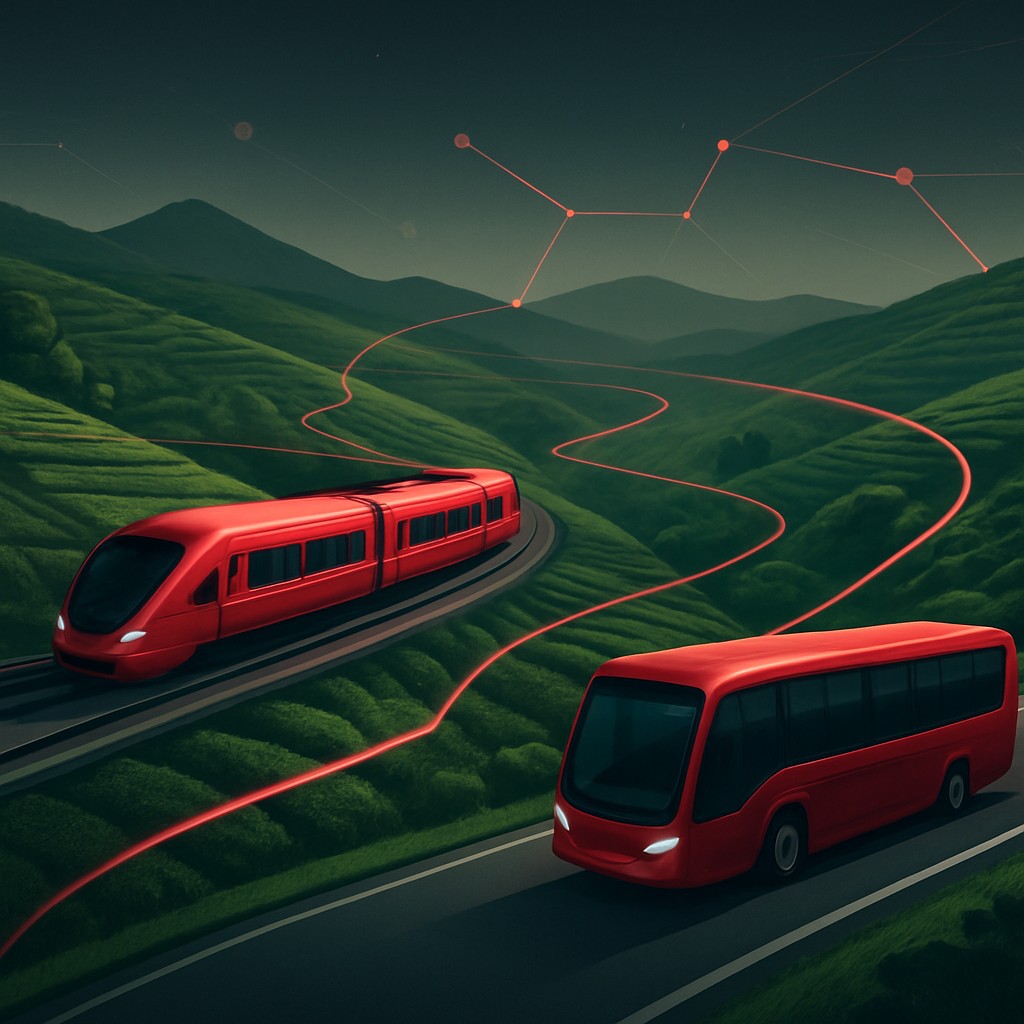
The Backbone of Sri Lankan Mobility
Public transit is the lifeblood of daily movement in Sri Lanka, carrying millions of commuters, students, and travelers across the island every day. From the iconic blue trains winding through misty hill country to the bustling bus stands of Colombo, the country's transit network is both a practical necessity and a cultural experience. As urbanization accelerates and tourism rebounds, the role of efficient, affordable public transport has never been more important.
This guide explores the top public transit services in Sri Lanka, spanning rail, bus, and emerging modern transport options that keep the nation connected.
Rail Services: A Journey Worth Taking
1. Sri Lanka Railways – The state-run railway is the heart of the country's rail network, operating routes that range from practical commuter lines to world-famous scenic journeys. The Kandy-to-Ella route, in particular, is celebrated globally for its breathtaking views of tea plantations and mountains.
2. ExpoRail – A premium private rail service, ExpoRail offers air-conditioned carriages, onboard catering, and reserved seating on popular intercity routes, blending comfort with the charm of train travel.
3. Rajadhani Express – Another upscale private operator, Rajadhani provides luxury coaches attached to scheduled trains, catering to tourists and travelers seeking a more comfortable rail experience.
Bus Networks: Reaching Every Corner
4. Sri Lanka Transport Board (SLTB) – As the national bus operator, SLTB runs an extensive fleet covering virtually every town and village. Its affordability and wide reach make it the most accessible transit option for the majority of citizens.
5. Private Intercity Bus Services – A vast network of privately operated buses complements SLTB, offering frequent intercity and express services. These buses are known for speed and flexibility on busy routes between major cities.
6. Luxury Highway Bus Services – Operating along the Southern and Outer Circular expressways, these air-conditioned coaches connect Colombo with Galle, Matara, and other destinations quickly and comfortably.
Urban and Modern Transit Options
7. Colombo Bus Rapid Network – Efforts to modernize urban transit in the capital include improved bus corridors and scheduling, aimed at reducing congestion and improving commuter reliability.
8. Kelani Valley Line Commuter Trains – Serving suburban commuters around Colombo, this line plays a vital role in daily city travel, easing road traffic during peak hours.
9. PickMe and Uber (Shared and App-Based Transit) – While technically ride-hailing, these platforms have become integral to public mobility, offering tuk-tuks, cars, and shared rides that complement traditional transit, especially for first and last-mile connectivity.
10. Coastal Line Commuter Service – Running along the scenic western and southern coast, this railway line is both a commuter essential and a beloved travel experience hugging the Indian Ocean shoreline.
Challenges and Opportunities
Despite its extensive reach, Sri Lanka's public transit system faces challenges including aging infrastructure, congestion in urban centers, and the need for modernization. However, significant opportunities exist. Investments in railway electrification, digital ticketing, and integrated transport planning could dramatically improve efficiency and rider experience.
The growing adoption of mobile apps for trip planning and ride-hailing has already begun to bridge gaps in the system, giving commuters more flexibility. Meanwhile, the enduring popularity of scenic rail travel continues to position Sri Lanka as a unique destination for slow, immersive journeys.
Tips for Travelers and Commuters
For tourists, booking reserved seats on premium rail services well in advance is highly recommended, especially for popular hill country routes. Commuters benefit from traveling outside peak hours when possible and using ride-hailing apps for convenient last-mile connections. Always keep small change handy for bus fares and be prepared for lively, crowded conditions on popular routes.
Conclusion
Public transit in Sri Lanka is a remarkable blend of practicality, affordability, and scenic beauty. Whether you are commuting to work, exploring the island as a tourist, or traveling between cities, the country's diverse network of trains, buses, and app-based services offers options for every journey. As modernization efforts continue, Sri Lankan public transit is poised to become even more efficient and traveler-friendly in the years ahead.
