
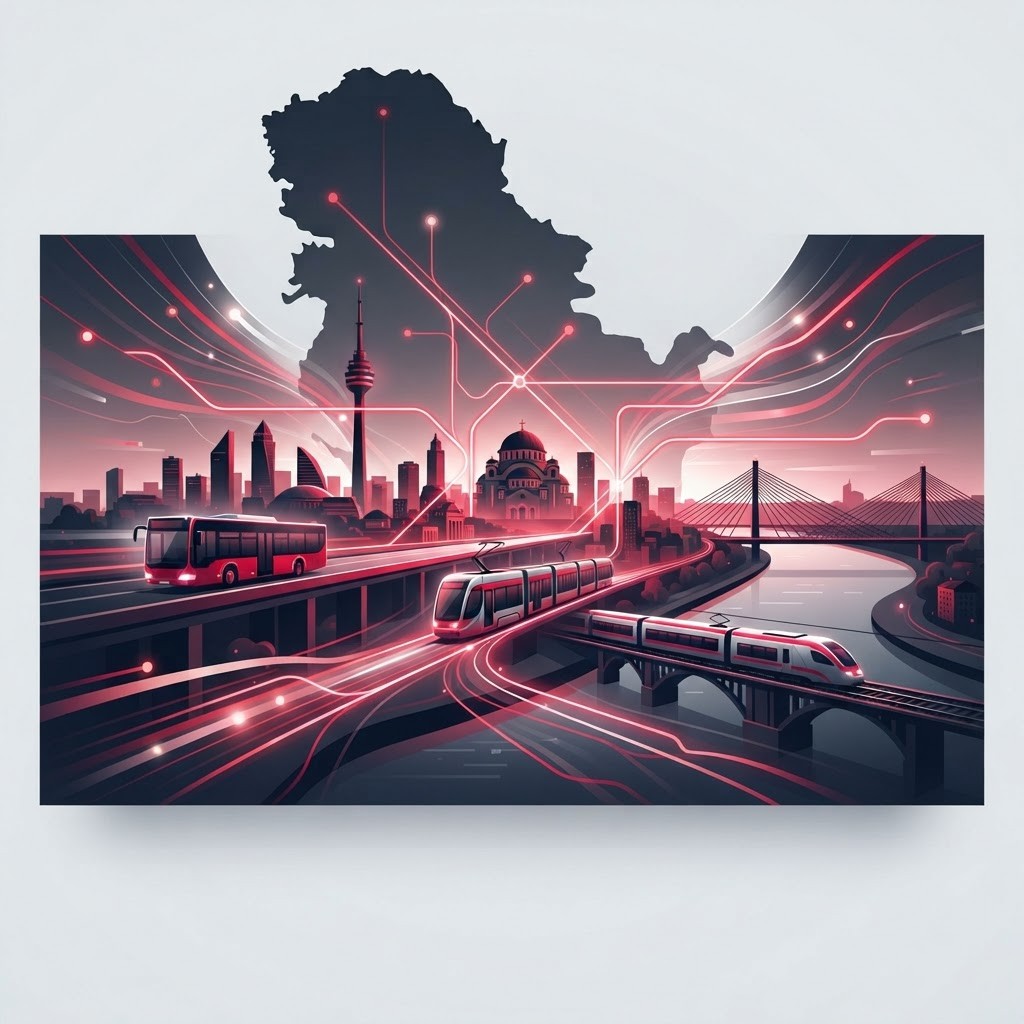
The Importance of Public Transit in Serbia
Public transportation is the backbone of daily mobility in Serbia, moving millions of commuters, students and travelers every day. From the bustling streets of Belgrade to the calmer avenues of Novi Sad and Nis, buses, trams, trolleybuses and trains provide affordable and accessible travel. A well-functioning transit network reduces traffic congestion, lowers emissions and ensures that people of all backgrounds can reach work, school and services conveniently.
Serbia's transit landscape blends large municipal operators with regional and intercity services. The providers and systems below are recognized for their coverage, reliability and role in keeping communities connected.
What Makes Public Transit Excellent
Great public transit combines frequent, reliable service with broad coverage and affordable fares. Clean, well-maintained vehicles, clear timetables and accessible stops enhance the passenger experience. Increasingly, digital ticketing, real-time arrival information and integration between different modes of transport define modern, user-friendly systems.
Leading Public Transit Systems
GSP Beograd is the largest public transit operator in Serbia, running an extensive network of buses, trams and trolleybuses throughout the capital. It carries the majority of Belgrade's daily commuters and is central to the city's mobility.
BusPlus is the integrated ticketing system for Belgrade, allowing passengers to travel seamlessly across buses, trams and trolleybuses with a single card, simplifying fare payment across operators.
JGSP Novi Sad provides comprehensive bus services throughout Novi Sad and the surrounding Vojvodina region, valued for its reliability and expanding modern fleet.
JKP Direkcija za javni prevoz Nis manages public transport in Nis, connecting neighborhoods and suburbs with dependable bus routes serving the city's growing population.
Srbija Voz, the national passenger rail operator, links major cities with intercity and regional trains, including the modernized high-speed line between Belgrade and Novi Sad.
Regional and Intercity Operators
Lasta is one of the country's largest bus companies, offering intercity and international coach services alongside suburban routes around Belgrade. Nis Ekspres provides extensive intercity and regional bus connections in southern Serbia. Subotica Trans serves the northern city of Subotica with reliable urban transit. Kragujevac public transport keeps the central Sumadija region moving, while BG Voz, Belgrade's urban rail system, complements the bus and tram network with fast connections across the capital.
Trends Transforming Serbian Public Transit
Modernization is a defining theme, with cities investing in new low-floor buses, electric vehicles and upgraded infrastructure to improve comfort and reduce emissions. The high-speed rail line between Belgrade and Novi Sad has been a landmark project, dramatically cutting travel times and setting a new standard for rail travel in the region, with further extensions planned.
Digital innovation is also reshaping the passenger experience. Contactless payment, mobile apps for route planning and real-time tracking are becoming more widespread. Efforts to integrate ticketing across modes and cities aim to make public transport even more convenient and attractive as a sustainable alternative to private cars.
Making the Most of Public Transit
Travelers can benefit from purchasing integrated transit cards where available, planning journeys with official apps and checking timetables in advance. For intercity travel, booking coach or train tickets early often ensures better availability. Understanding zone systems and transfer options helps passengers travel efficiently and economically across Serbia's networks.
Conclusion
Public transit in Serbia is steadily modernizing, offering residents and visitors affordable and increasingly comfortable ways to travel. The operators and systems highlighted here play a vital role in keeping cities connected and communities mobile. With continued investment in electric fleets, high-speed rail and digital services, the future of public transportation in Serbia looks brighter and more sustainable than ever.
