
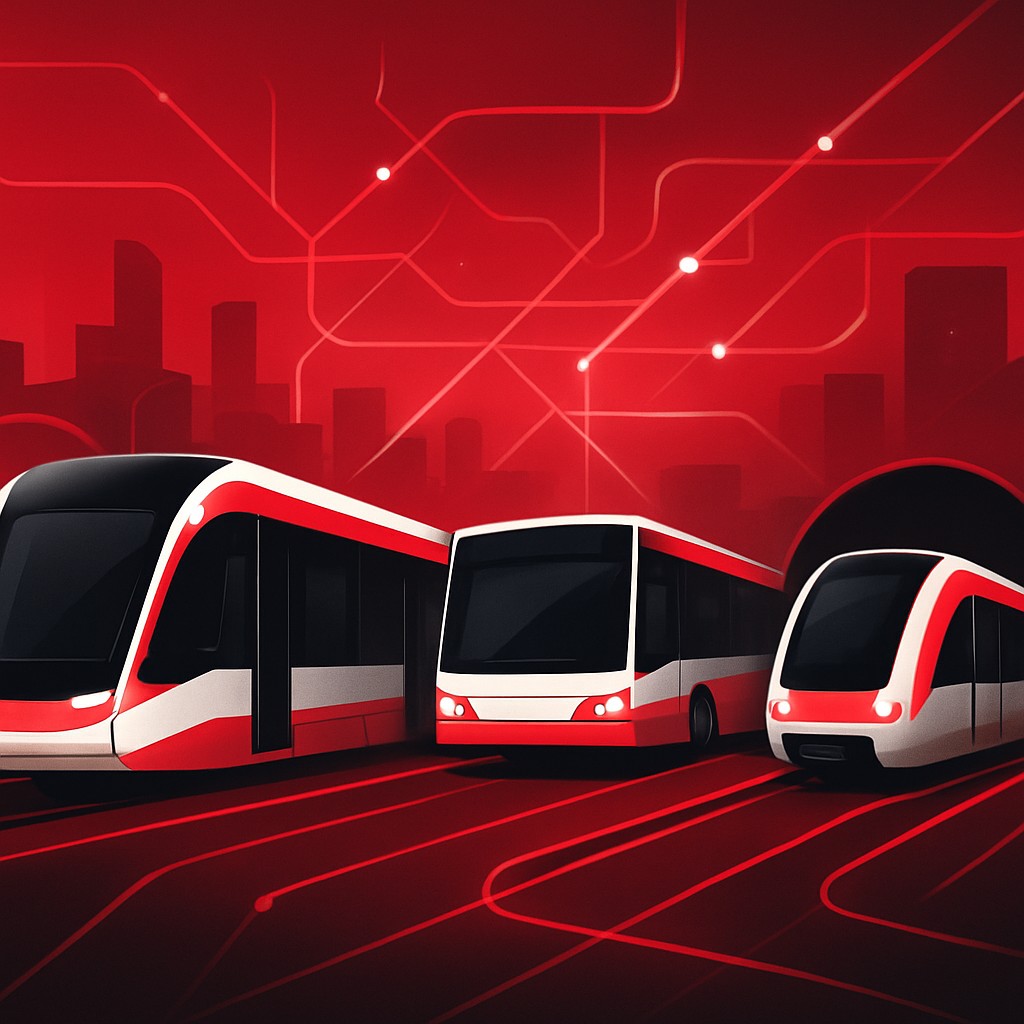
Public Transit at the Heart of Romanian Cities
Public transit is the lifeblood of urban Romania, moving millions of residents, students, and workers every day across its growing cities. As the country invests in modern infrastructure and cleaner mobility, its transit networks are undergoing a profound transformation. Electric trams, expanded metro lines, integrated ticketing, and real-time passenger information are reshaping how Romanians travel. Understanding the leading operators and systems offers insight into the future of mobility in the region.
Romania's transit landscape blends long-established municipal operators with national rail services and emerging mobility initiatives. Each plays a distinct role, from rapid urban transport to intercity connections linking major economic centers. Together they form a network that is steadily becoming more efficient, accessible, and environmentally responsible.
Leading Public Transit Services in Romania
Metrorex operates the Bucharest metro, the backbone of the capital's rapid transit system. Carrying enormous passenger volumes daily, it provides fast, reliable travel that bypasses the city's notorious surface congestion. Ongoing line extensions continue to broaden its reach into developing neighborhoods.
STB (Societatea de Transport București) manages the capital's extensive surface network of trams, buses, and trolleybuses. Its modernization program, including new low-floor vehicles and electric buses, is improving comfort and reducing emissions across Bucharest.
CFR Călători, the national passenger rail operator, connects cities and regions across the country. Investment in modern rolling stock and upgraded lines is gradually improving journey times and the overall travel experience for intercity passengers.
RATBV Brașov serves the historic city of Brașov with an efficient bus and trolleybus network, and has gained recognition for adopting hydrogen and electric buses as part of its push toward sustainable transit.
CTP Cluj-Napoca operates one of the most modern municipal networks in the country, with a strong fleet of electric buses, trams, and trolleybuses serving a city known for its dynamic, youthful population.
RATT Timișoara, now operating under the regional transport society, provides trams, buses, and trolleybuses to one of Romania's most important western cities, with continued investment in network renewal.
CTP Iași supports the bustling eastern city of Iași with an expanding tram and bus system, serving a large student population and growing commuter base.
Regiotrans and regional rail operators complement the national network by serving secondary lines and regional routes, improving connectivity for smaller towns and rural communities.
SCTP Oradea delivers modern public transport to Oradea, with renewed tram lines and an emphasis on accessibility and comfort.
Autonom and shared mobility providers increasingly complement traditional transit through car-sharing and flexible mobility options that bridge gaps in the network and support multimodal journeys.
Modernization and Sustainability
A defining theme across Romanian transit is the shift toward sustainability. Cities are retiring aging diesel fleets in favor of electric and hydrogen-powered vehicles, supported by European funding and national investment programs. Brașov's adoption of hydrogen buses and Cluj-Napoca's expanding electric fleet illustrate how municipalities are positioning themselves as leaders in clean mobility. These efforts reduce air pollution, lower noise levels, and improve the quality of urban life.
Integrated Ticketing and Digital Innovation
Digital transformation is making transit more convenient than ever. Contactless payment, mobile ticketing apps, and integrated fare systems allow passengers to move seamlessly between trams, buses, and metro lines. Real-time arrival information displayed at stops and within apps helps travelers plan journeys with confidence. These innovations not only improve the passenger experience but also encourage more people to choose public transport over private cars.
Challenges and Opportunities
Despite impressive progress, Romanian transit faces challenges. Aging infrastructure in some cities, the need for further metro expansion in Bucharest, and the integration of regional and urban networks remain priorities. However, these challenges also represent opportunities. Continued investment, supported by European Union funding, is enabling ambitious projects that will expand capacity and improve reliability for years to come.
The Future of Mobility in Romania
Looking ahead, Romanian public transit is set to become faster, greener, and more connected. The integration of shared mobility, the electrification of fleets, and the expansion of rail and metro networks all point toward a more sustainable urban future. For residents and visitors alike, the result is a transit system that is increasingly capable of meeting the demands of modern life.
As cities grow and environmental awareness deepens, public transit will remain central to Romania's development. The operators leading this transformation are not only moving people but also shaping the livable, sustainable cities of the future.
Accessibility and Inclusive Mobility
An essential dimension of Romania's transit modernization is accessibility. New low-floor trams and buses, tactile paving at stops, audio announcements, and dedicated spaces for wheelchairs and prams are making public transport usable for everyone, including elderly passengers and people with disabilities. Cities are redesigning stations and interchanges to remove barriers and improve safety, while clearer signage and multilingual information help tourists and newcomers navigate with ease. Affordable fare structures, student discounts, and subsidized passes for vulnerable groups further ensure that mobility remains inclusive rather than a privilege. By treating accessibility as a core requirement rather than an optional extra, Romanian transit operators are building networks that serve the entire community, reinforcing the role of public transport as a shared resource that connects people across every walk of life.
