
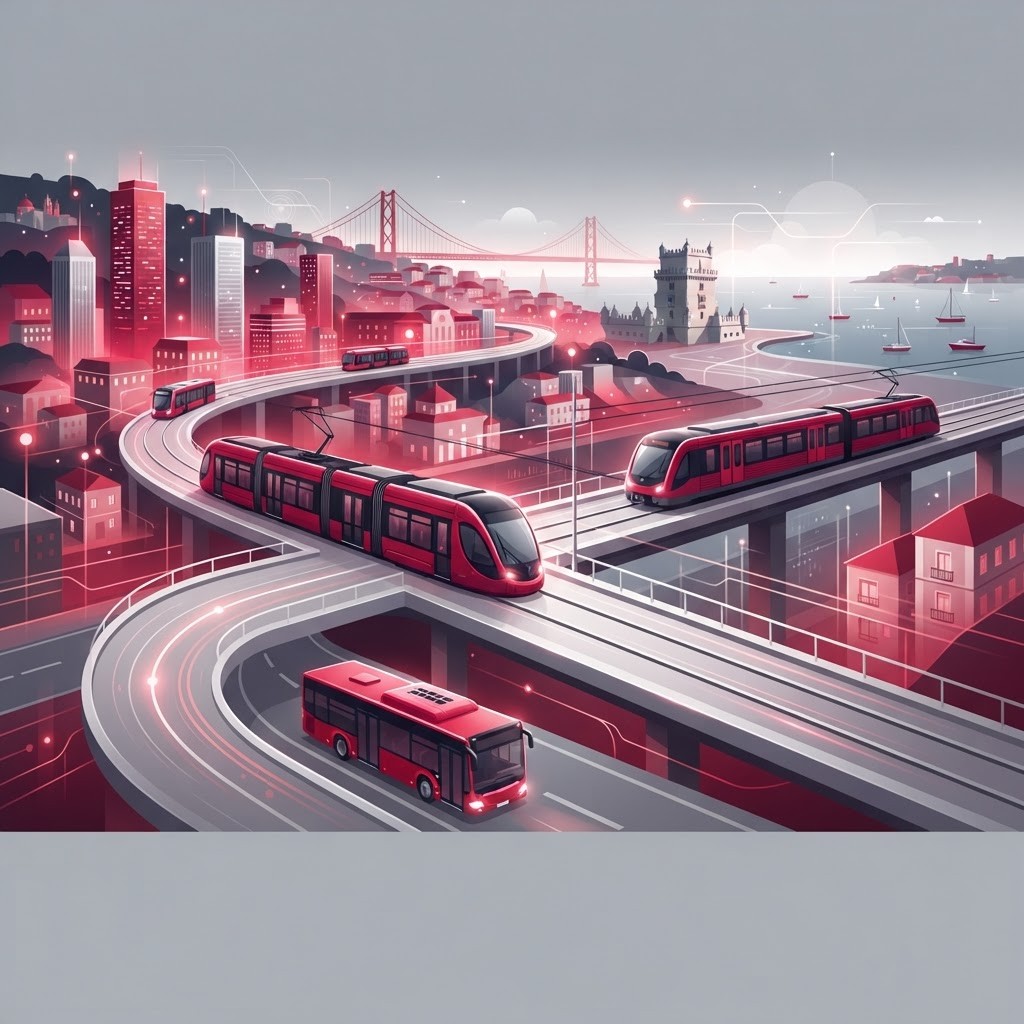
Why Public Transit Matters in Portugal
Portugal has quietly built one of the most reliable and affordable public transit ecosystems in Western Europe. From the iconic yellow trams climbing the hills of Lisbon to the sleek metro lines threading beneath Porto, the country's transport infrastructure supports both a growing urban population and a booming tourism sector. Efficient mobility is central to Portugal's environmental goals, its economic competitiveness, and the daily quality of life for millions of commuters. As cities invest in electrification, contactless payments, and integrated ticketing, public transit is becoming smarter, greener, and more convenient than ever.
What Makes a Great Transit Service
The best transit operators share several qualities: broad network coverage, punctual scheduling, clean and accessible vehicles, transparent fares, and increasingly, digital tools that let passengers plan journeys in real time. In Portugal, many operators also prioritize accessibility for elderly and disabled passengers, along with sustainability commitments such as fleet electrification and reduced emissions. Reputation, safety records, and seamless intermodal connections between buses, trams, metros, and trains are equally important differentiators.
The Top 10 Public Transit Services
1. Metropolitano de Lisboa — Lisbon's metro is the backbone of the capital's mobility, with four color-coded lines serving dozens of stations adorned with celebrated azulejo tilework. Known for punctuality and steady modernization, it moves hundreds of thousands of passengers daily and continues to expand toward the airport and outer suburbs.
2. Carris — The historic operator behind Lisbon's beloved trams, funiculars, and an extensive bus network. Carris combines heritage vehicles like the famous Tram 28 with a modernizing fleet, offering unmatched coverage of the city's steep and winding streets.
3. Metro do Porto — A light-rail system that transformed mobility in northern Portugal. Its clean stations, frequent service, and continual line extensions have made it a model for regional transit planning and a favorite among commuters and students.
4. Comboios de Portugal (CP) — The national railway connects major cities with intercity, regional, and high-speed Alfa Pendular services. CP is essential for long-distance travel between Lisbon, Porto, Coimbra, and beyond, and remains a cornerstone of sustainable intercity movement.
5. Sociedade de Transportes Colectivos do Porto (STCP) — Porto's principal bus operator, offering dense city coverage and increasingly electric and hybrid vehicles. STCP integrates smoothly with Metro do Porto through unified Andante ticketing.
6. Transtejo & Soflusa — Operators of the ferries that cross the Tagus River, linking Lisbon with the south bank towns of Almada, Barreiro, and Seixal. Their electric ferry investments underline Portugal's push toward cleaner waterborne transit.
7. Carris Metropolitana — A regional network unifying bus services across the Lisbon metropolitan area, bringing consistent branding, simplified fares, and improved coverage to suburban commuters who travel into the capital each day.
8. Fertagus — A private rail operator running trains across the 25 de Abril Bridge, connecting Lisbon with the Setúbal peninsula. Fertagus is praised for reliability and comfortable, modern rolling stock.
9. Metro Sul do Tejo — A light-rail system serving the south bank municipalities near Lisbon, offering a smooth, tram-style alternative that links residential areas with transport hubs and the ferry terminals.
10. Horários do Funchal — The main bus operator on the island of Madeira, navigating steep terrain to serve Funchal and surrounding communities, and demonstrating how regional operators adapt transit to challenging geography.
Trends Shaping Portuguese Transit
Several trends are redefining public transport across Portugal. Contactless and mobile ticketing are replacing paper tickets, while unified fare systems such as Andante in Porto and Navegante in Lisbon make multimodal travel effortless. Fleet electrification is accelerating, with operators adding electric buses and even electric ferries to cut emissions in dense urban corridors. Real-time passenger information, accessible apps, and expanded night services are improving convenience, and continued network extensions are bringing reliable transit to previously underserved suburbs.
Choosing the Right Service
For visitors and residents alike, the best choice depends on the journey. Within Lisbon, combining the metro, Carris trams, and ferries offers unrivaled flexibility. In the north, Metro do Porto paired with STCP buses covers most needs, while CP is the natural choice for intercity travel. Suburban commuters benefit from Fertagus, Carris Metropolitana, and Metro Sul do Tejo, each optimized for specific corridors.
Affordability and Value for Money
One of the standout features of Portuguese public transit is its affordability compared with many Western European countries. Monthly passes such as the Navegante in the Lisbon region and Andante in Porto offer unlimited travel across multiple operators at accessible prices, making car-free living genuinely practical for residents. Students, seniors, and low-income households benefit from significant discounts, while integrated fares reduce the cost and complexity of transferring between buses, trams, metros, and trains. Tourists can take advantage of daily and multi-day passes that bundle transit with entry to attractions, delivering excellent value for exploring cities without the hassle of parking or navigation.
Accessibility and Inclusion
Portuguese operators have made steady progress in improving accessibility for all passengers. Newer metro stations, buses, and trams feature step-free access, tactile guidance for visually impaired riders, priority seating, and audiovisual announcements. Operators such as Metro do Porto and Metropolitano de Lisboa continue to retrofit older infrastructure to meet modern standards, while ferry services provide accessible boarding for passengers with reduced mobility. These efforts reflect a broader commitment to inclusive mobility, ensuring that public transit serves elderly residents, families with young children, and people with disabilities throughout the country.
Conclusion
Portugal's public transit services reflect a nation investing steadily in sustainable, accessible, and integrated mobility. Whether you are riding a historic tram through Lisbon's Alfama district, gliding across the Tagus by ferry, or commuting on the modern Porto metro, these operators deliver dependable service that keeps the country moving. As electrification and digital innovation continue, Portuguese transit is poised to remain among the most passenger-friendly and forward-looking in Europe.
