
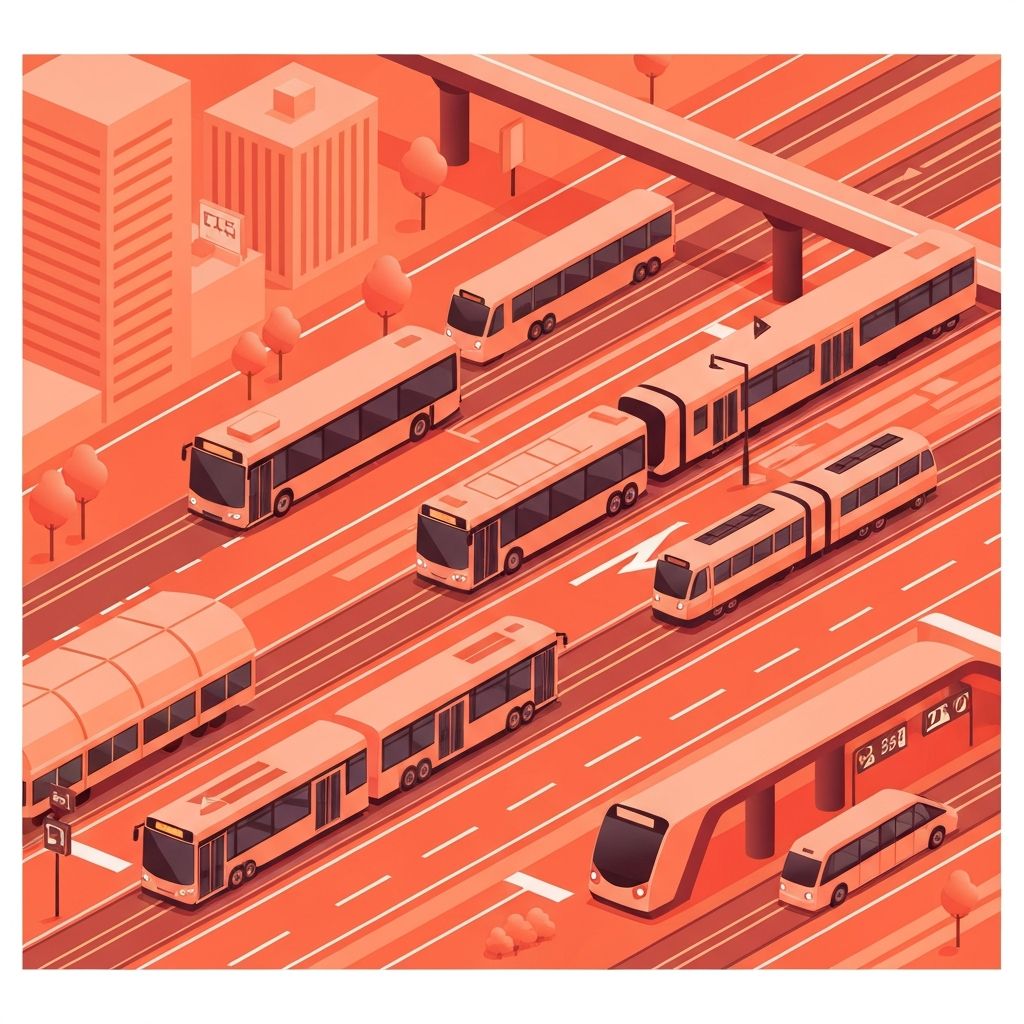
Public Transit in the Philippines: A National Lifeline
Public transportation in the Philippines plays a crucial role in moving millions of people daily across cities, provinces, and islands. With a unique geography spanning over 7,000 islands and one of the busiest urban regions in Asia, the country relies on a mix of rail, road, and maritime transport. Despite challenges such as traffic congestion, public transit continues to evolve through modernization programs, infrastructure investment, and digital innovation.
The Importance of Reliable Mass Transit
For most Filipinos, public transit is not just a convenience but a necessity. Workers, students, and travelers depend on a network of jeepneys, buses, trains, ferries, and ride-sharing platforms to reach their destinations. The government and private sector have collaborated to expand transit options, improve safety, and integrate technology, all aimed at building a more efficient and inclusive transportation system.
1. Light Rail Transit (LRT-1 and LRT-2)
The LRT-1 and LRT-2 lines serve Metro Manila with elevated rail service connecting key commercial, residential, and industrial areas. As one of the oldest urban rail systems in Southeast Asia, LRT continues to undergo modernization, including new trains and station upgrades. It remains a primary commuter option for millions of Manila residents.
2. Metro Rail Transit (MRT-3)
MRT-3 runs along EDSA, one of the busiest highways in the country. It plays a critical role in easing road congestion and providing fast travel between Quezon City and Pasay. Continuous improvements in rolling stock and operational efficiency have made the system more reliable in recent years.
3. Philippine National Railways (PNR)
The PNR operates commuter trains across Metro Manila and provides intercity routes between provinces such as Laguna and Bicol. As part of the government's North-South Commuter Railway project, PNR is undergoing major expansion that will significantly upgrade rail travel nationwide.
4. Point-to-Point (P2P) Bus Services
P2P buses operate direct, premium routes between major destinations in Metro Manila and nearby provinces such as Bulacan, Cavite, and Laguna. These air-conditioned, comfortable buses are popular with commuters seeking faster and more predictable travel times, especially during peak hours.
5. EDSA Carousel (BRT-Style Service)
The EDSA Carousel is a dedicated bus rapid transit-style system running along the median of EDSA. It has become an essential alternative to traditional buses, offering smoother travel, scheduled stops, and modern fleet vehicles. The system has helped reduce overall traffic strain on the highway.
6. Modern Jeepneys
As part of the Public Utility Vehicle Modernization Program, traditional jeepneys are being replaced or upgraded with modern, electric, and Euro 4-compliant units. These new jeepneys offer better safety, comfort, and air quality, transforming one of the most iconic forms of Philippine transportation.
7. Cebu Bus Rapid Transit System
Cebu City is developing its own Bus Rapid Transit (BRT) system, designed to provide efficient mass transportation across one of the country's most populous and economically significant cities. Once fully operational, the system is expected to dramatically improve mobility in Metro Cebu.
8. SuperCat and 2GO Ferries
Ferry services such as SuperCat and 2GO Travel connect the islands of the Philippines, particularly in the Visayas region. They provide both passenger and cargo transport, supporting tourism and inter-island commerce. Modern fleets ensure safe and comfortable maritime journeys.
9. Beep Card Network
The Beep contactless smart card is the unified payment system used across LRT, MRT, P2P buses, and several toll roads. It has streamlined commuting in the Philippines, eliminating ticket queues and making travel more seamless for millions of riders.
10. Ride-Hailing Services (Grab, Joyride, MoveIt)
While not traditional public transit, ride-hailing services have become integral to mobility in major Philippine cities. Grab, Joyride, and MoveIt provide on-demand car and motorcycle rides, helping commuters bridge gaps in traditional transit networks, especially during peak hours.
Modernization and Infrastructure Initiatives
The Philippines has launched several large-scale infrastructure projects, including the Metro Manila Subway, the North-South Commuter Railway, and the Mindanao Railway. These initiatives are aimed at reducing congestion, improving regional connectivity, and supporting long-term economic growth.
Challenges in Philippine Public Transit
Despite progress, the public transit sector faces challenges such as traffic congestion, aging infrastructure, and the need for inclusive design. However, ongoing modernization efforts, smart-city programs, and increased investment are gradually addressing these issues.
Conclusion
The Philippines is home to a diverse and evolving public transit landscape that supports millions of commuters daily. From rail systems to modern jeepneys and inter-island ferries, the country's transit network is essential to economic activity, tourism, and everyday life. With ongoing modernization, public transit is set to play an even bigger role in shaping a more efficient and connected Philippines.
