
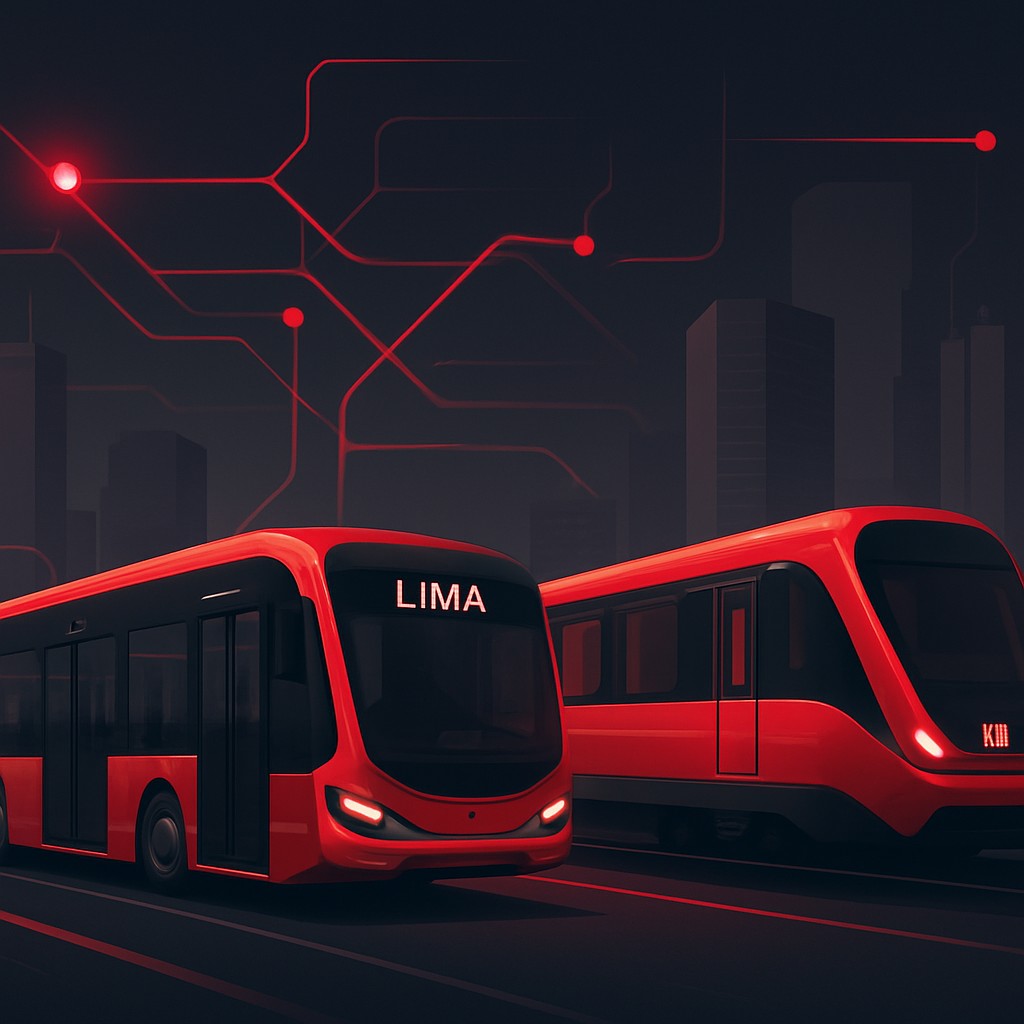
Urban Mobility in a Growing Nation
Public transit is the lifeblood of daily life for millions of Peruvians, particularly in densely populated urban areas like Lima, Arequipa, and Trujillo. As cities grow and traffic congestion intensifies, efficient public transportation becomes increasingly vital for economic productivity, environmental sustainability, and quality of life. Peru's public transit landscape includes a mix of modern mass-transit systems, bus networks, and traditional shared transport, each playing a role in moving people across the urban fabric.
The evolution of public transit in Peru reflects broader efforts to modernize urban mobility, reduce congestion, and provide safer, more reliable options for commuters. Understanding the key services and systems helps residents and visitors navigate the country's cities with confidence.
Key Transit Systems and Services
The Lima Metro, particularly Line 1, represents a major step forward in the capital's public transportation. This elevated electric train system connects the southern and eastern districts with the city center, offering a fast and reliable alternative to road transport. The ongoing development of additional metro lines, including Line 2, promises to dramatically expand the network and ease congestion across Lima.
The Metropolitano is Lima's bus rapid transit (BRT) system, featuring dedicated bus lanes that allow articulated buses to bypass traffic along key corridors. It has become a popular and efficient option for commuters traveling along its main routes. The Corredores Complementarios system supplements these services with organized bus routes designed to improve reliability and reduce the chaos of informal transport.
Beyond Lima, regional bus systems and organized transit services operate in cities like Arequipa and Trujillo. Traditional combis and micros, smaller shared vans and buses, continue to serve many routes, offering affordable if sometimes informal transport options throughout urban and suburban areas.
Modernization and Challenges
Peru's public transit sector is undergoing significant modernization aimed at improving safety, efficiency, and sustainability. The expansion of the Lima Metro and the integration of bus systems are central to these efforts. Electronic fare payment, organized routes, and dedicated infrastructure are gradually replacing the fragmented informal systems that historically dominated urban transport.
Challenges remain, however. Traffic congestion, the integration of formal and informal systems, and the need for continued infrastructure investment are ongoing concerns. Efforts to formalize transport, improve vehicle standards, and coordinate services across different operators are key to building a more cohesive and effective transit network.
The Future of Public Transit
The future of public transit in Peru is focused on integration, sustainability, and expansion. Completing additional metro lines, extending BRT corridors, and integrating fare systems across different modes will create a more seamless experience for commuters. There is also growing interest in cleaner, electric vehicles to reduce emissions and improve air quality in congested cities.
For residents and visitors, the modern transit systems like the Lima Metro and Metropolitano offer the most reliable and efficient options, while traditional services continue to fill gaps in coverage. As Peru invests in expanding and modernizing its public transportation infrastructure, urban mobility is poised to improve substantially. The best public transit services combine reliability, affordability, and growing coverage, supporting the daily lives of millions and contributing to more sustainable and livable cities across the nation.
