
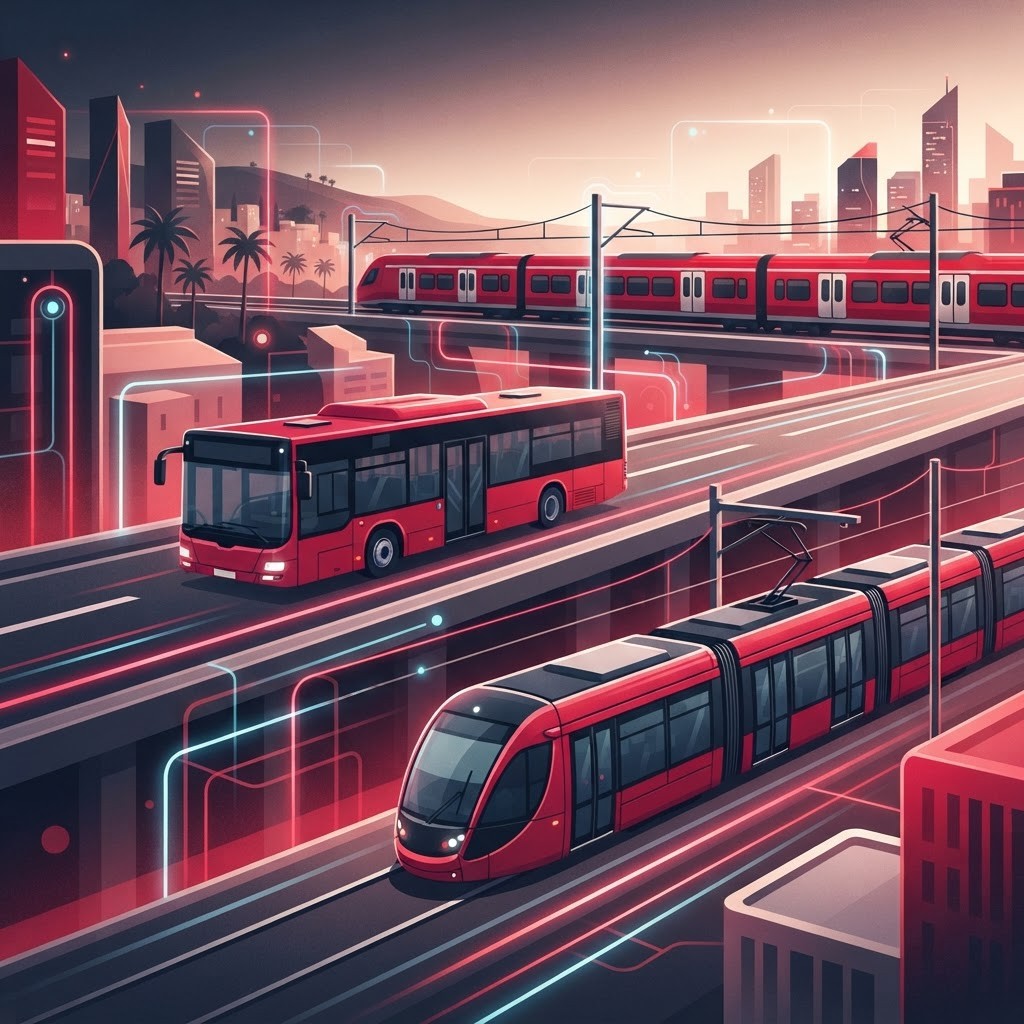
Connecting a Nation
Public transit is the backbone of daily mobility for millions of Israelis. From bustling city centers to quiet peripheral towns, buses, trains, and light rail systems knit the country together, enabling people to reach work, school, and leisure without relying on private vehicles. A strong public transit network reduces traffic congestion, lowers emissions, and promotes social and economic inclusion.
Israel has invested heavily in expanding and modernizing its public transit in recent years. New light rail lines, expanded bus rapid transit corridors, and integrated fare systems have transformed the passenger experience. The operators behind these services combine scale, reliability, and innovation to keep the nation moving.
Why Public Transit Matters
Efficient public transit offers profound benefits for society and the environment. It provides affordable mobility for people of all backgrounds, reduces the number of cars on the road, and cuts greenhouse gas emissions. It also supports economic activity by connecting workers to jobs and customers to businesses. For a densely populated country like Israel, robust transit is essential to sustainable urban living.
The leading transit operators prioritize accessibility, punctuality, and passenger comfort while embracing technology to improve service.
The Top 10 Public Transit Services
1. Egged is Israel's largest bus operator and one of the biggest in the world. It provides extensive intercity and urban service, connecting communities across the country with a vast fleet and comprehensive route network.
2. Dan Bus Company serves the Tel Aviv metropolitan area with frequent, reliable bus service and participates in the region's light rail operations.
3. Israel Railways operates the national rail network, offering fast, comfortable intercity travel along the densely populated coastal corridor and beyond.
4. CityPass runs the Jerusalem Light Rail, a modern system that has become a model for urban transit in the capital.
5. Metropoline provides bus services across multiple regions, known for its expanding network and modern fleet.
6. Kavim operates a wide range of bus routes serving cities and suburbs, with a focus on reliability and coverage.
7. Superbus delivers regional bus service in central and northern Israel, connecting towns and cities with frequent departures.
8. Nateev Express serves the northern and southern regions with dependable bus routes, including service to peripheral communities.
9. NTA leads the development and operation of the Tel Aviv light rail, one of the most significant transit projects in the country's history.
10. Electra Afikim rounds out the list, operating bus services across several regions with a commitment to modern, accessible transit.
The Light Rail Revolution
Light rail has emerged as a transformative force in Israeli public transit. The Jerusalem Light Rail demonstrated the potential of modern rail to ease congestion and revitalize urban corridors, and the Tel Aviv metropolitan light rail, with multiple planned lines, promises to reshape commuting in the country's largest metropolitan area. These systems offer fast, reliable, and comfortable travel that complements existing bus and rail services.
Integration is a key theme, with fare systems, schedules, and stations increasingly coordinated across modes. This seamless approach makes multimodal journeys easier and more attractive for passengers.
Technology and the Passenger Experience
Israeli transit operators are embracing technology to enhance service. The nationwide smart card system allows passengers to pay seamlessly across buses, trains, and light rail. Mobile apps provide real-time arrival information, journey planning, and digital ticketing. These tools reduce friction and make public transit more convenient than ever.
Sustainability is also a priority, with operators introducing electric and hybrid buses to reduce emissions and improve air quality in urban centers. These green initiatives reflect a broader commitment to environmentally responsible transit.
Looking Ahead
As Israel's population grows and urban areas expand, public transit will play an increasingly central role in the nation's mobility strategy. Continued investment in light rail, metro systems, and bus rapid transit will enhance connectivity and reduce reliance on private cars. The operators profiled here are at the forefront of this exciting transformation.
Conclusion
Public transit is essential to Israel's social, economic, and environmental well-being. The ten operators featured here provide the reliable, accessible, and increasingly sustainable service that keeps millions of people connected every day. As the network continues to grow and modernize, these providers will remain vital to the nation's future mobility.
