
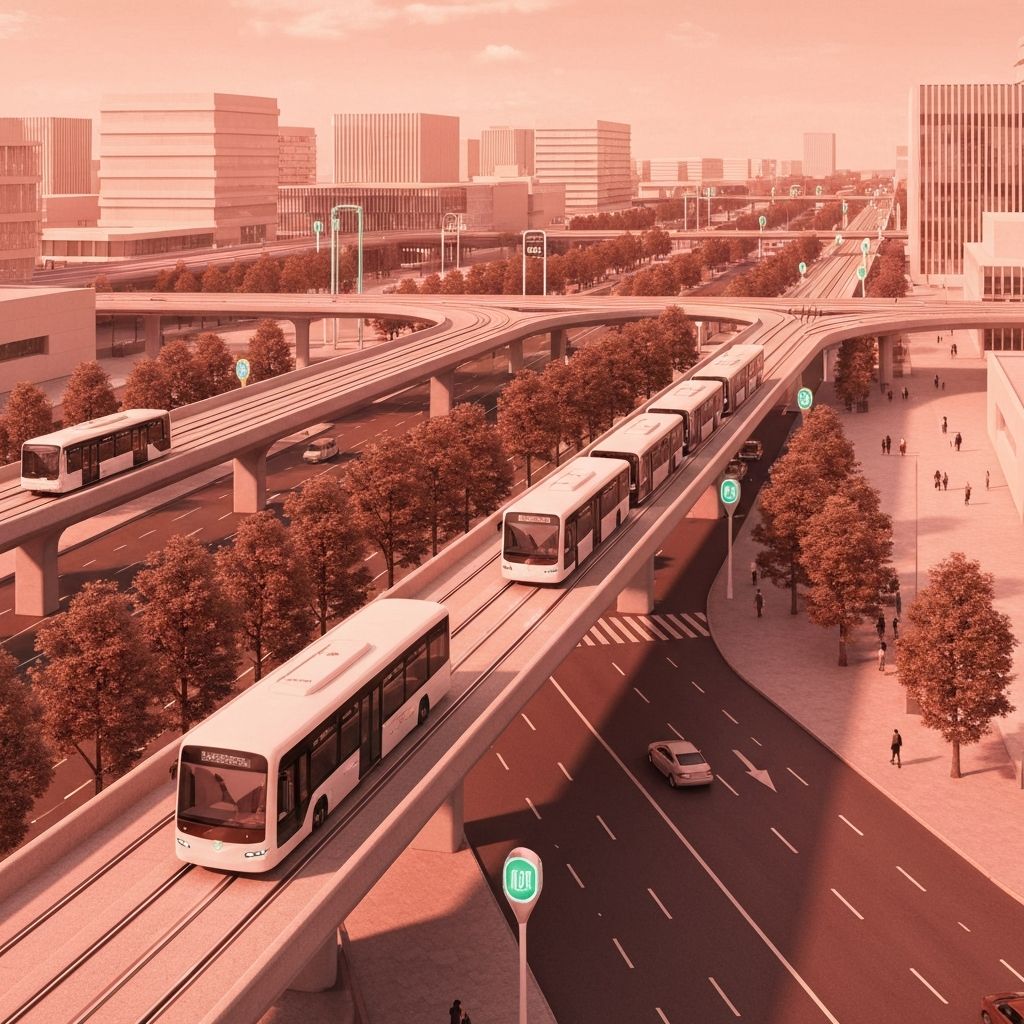
The Public Transit Transformation in India
Indian cities are experiencing a public transit revolution as authorities invest in modern transportation systems to address urban mobility challenges. With growing populations and increasing vehicle ownership, cities have recognized that efficient public transit is essential for sustainable development. Metro rail systems, bus rapid transit networks, and modernized bus services are changing how Indians travel within cities.
Public transit serves multiple objectives beyond basic mobility. It reduces traffic congestion, lowers air pollution, improves road safety, and provides affordable transportation options for all income groups. Government initiatives have supported transit development through funding, policy frameworks, and technical assistance. The transformation continues with new projects and service improvements across the country.
Delhi Metro
Delhi Metro has emerged as a model public transit system, fundamentally transforming mobility in the National Capital Region. The network spans over 390 kilometers with multiple lines connecting Delhi with neighboring cities including Noida, Ghaziabad, Gurugram, and Faridabad. Millions of passengers use the metro daily, appreciating its speed, reliability, and comfort.
The system features modern trains, air-conditioned coaches, and stations with passenger amenities. Technological implementations include driverless operations on certain lines, smart card ticketing, and real-time passenger information. Delhi Metro's success has inspired metro development across Indian cities while setting standards for construction quality and operational excellence.
Mumbai Local Trains
Mumbai's suburban railway system forms the lifeline of India's financial capital, carrying over 7 million passengers daily. The network of Western, Central, and Harbour lines connects the metropolitan region, enabling the city's economic activity. Despite challenges of overcrowding, the system remains indispensable for Mumbai's commuters.
Recent modernization efforts have introduced air-conditioned coaches, improved stations, and new rail corridors. The ongoing expansion includes additional tracks, elevated corridors, and new Mumbai Metro lines that will enhance the overall transit network. Integration between suburban rail and metro systems is creating a comprehensive urban transit solution.
Bengaluru Metro (Namma Metro)
Namma Metro serves Karnataka's capital city, providing relief from Bengaluru's infamous traffic congestion. The metro network connects key areas including business districts, residential neighborhoods, and transportation hubs. Ridership has grown steadily as lines expanded and connected more destinations.
Ongoing construction will significantly expand the network, making metro accessible to more Bengaluru residents. The system features modern trains, accessible stations, and feeder bus services for last-mile connectivity. Namma Metro's integration with other transit modes aims to create seamless travel experiences for commuters.
Chennai Metro
Chennai Metro has modernized public transit in Tamil Nadu's capital with underground and elevated lines serving major corridors. The network connects Chennai's central areas with airport, railway stations, and key landmarks. Expansion projects are extending reach to additional parts of the city.
The system operates with high punctuality and safety standards. Chennai Metro's stations feature art installations reflecting local culture. Multimodal integration with buses and suburban rail improves network accessibility, helping commuters complete journeys efficiently.
Kolkata Metro
Kolkata Metro holds the distinction of being India's first underground railway, beginning operations in 1984. The system has expanded with new lines and extensions serving more areas of the city. Recent additions include underwater sections and connections to the airport, representing engineering achievements.
The metro serves millions of passengers seeking fast transit across the congested city. Modern rolling stock and improved stations have enhanced the travel experience. Future expansion plans will create a comprehensive metro network covering greater Kolkata region.
Hyderabad Metro
Hyderabad Metro stands as one of the world's largest public-private partnership metro projects. The elevated network serves major corridors in Telangana's capital, connecting commercial centers, residential areas, and educational institutions. The system's three operational lines have transformed commuting patterns in the city.
Stations designed with commercial development generate additional revenue supporting operations. The metro features modern trains, smart card ticketing, and last-mile connectivity options. Extension plans will expand coverage while upcoming integration with other transit modes will enhance network utility.
Ahmedabad BRTS (Janmarg)
Ahmedabad's Bus Rapid Transit System, branded as Janmarg, demonstrates how well-designed bus systems can provide metro-like service quality. The network features dedicated bus lanes, level boarding platforms, and enclosed stations. Commuters enjoy fast, frequent, and comfortable travel along major corridors.
Janmarg has expanded progressively, serving more areas with reliable service. The system's success has influenced bus transit development in other Indian cities. Integration with the upcoming Ahmedabad Metro will create a comprehensive public transit network for Gujarat's largest city.
Pune Mahanagar Parivahan Mahamandal Limited (PMPML)
PMPML operates bus services across Pune and Pimpri-Chinchwad, serving millions of daily commuters. The public bus system connects residential areas with employment centers, educational institutions, and transportation hubs. Recent fleet modernization has introduced air-conditioned buses and electric buses.
Technology implementations include GPS tracking, mobile ticketing apps, and passenger information systems. PMPML's Rainbow BRT corridors provide faster travel along select routes. The bus network will complement Pune Metro as it expands, creating integrated public transit.
Kochi Metro
Kochi Metro serves Kerala's commercial capital with modern transit infrastructure connecting major areas. The system has gained popularity for its efficient operations, clean stations, and women-friendly features. Kochi Metro was among the first Indian metros to employ women extensively across operations.
The network connects to water transport at key stations, utilizing Kochi's waterways for extended connectivity. Extension projects will expand metro reach to more areas including integration with the international airport. The system contributes to Kochi's reputation as a progressive, well-planned city.
The Future of Indian Urban Transit
Public transit development continues accelerating across India with multiple cities building metro systems and improving bus services. Electric buses are being deployed for environmental benefits. Digital integration is enhancing fare payment, journey planning, and passenger information across transit modes.
Multimodal integration remains a priority, connecting metro, bus, rail, and last-mile options for seamless travel. Investment in transit-oriented development creates livable communities around stations. As urbanization continues, efficient public transit will be essential for sustainable city growth and quality of life for Indian urban residents.
