
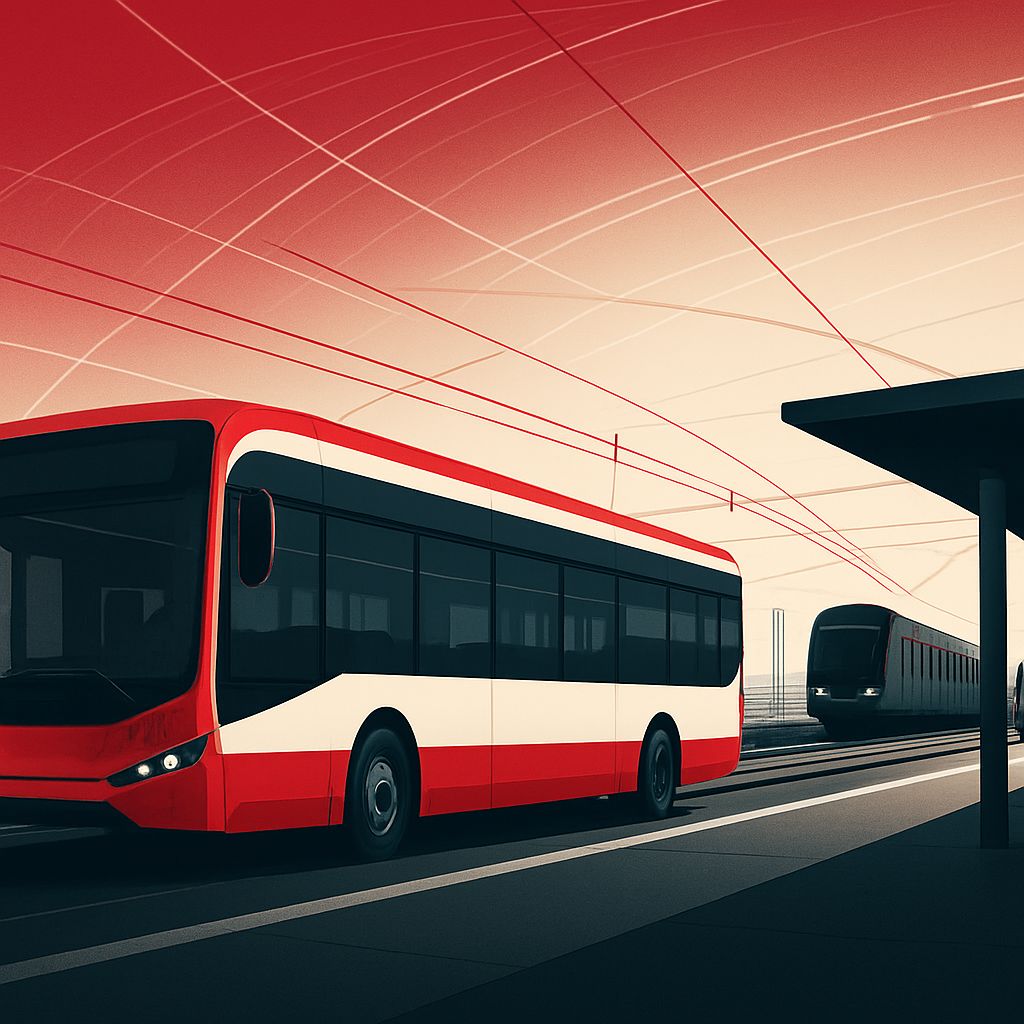
Getting Around Hempstead by Public Transit
As one of the most densely populated communities on Long Island, Hempstead relies heavily on a robust public transit ecosystem. Residents and commuters depend on buses, commuter rail, and paratransit options to reach jobs in Manhattan, medical appointments, schools, and shopping districts. The town's transit landscape blends county-run networks with regional providers, creating a web of connections that link Hempstead to the broader New York metropolitan area. Understanding which services stand out helps riders plan smarter, faster, and more affordable journeys.
What Sets Great Transit Providers Apart
The best transit operators in Hempstead share several defining qualities: dependable schedules, broad route coverage, clean and well-maintained vehicles, and a genuine commitment to accessibility. Frequency matters enormously in a busy suburb, where riders expect buses and trains to arrive at predictable intervals. Providers that invest in real-time tracking, contactless payment, and courteous drivers consistently earn stronger reputations. Equally important is how well a service integrates with connecting options, allowing a rider to move seamlessly from a local bus to a commuter train.
Leading Transit Services Serving the Area
Nassau Inter-County Express, widely known as NICE Bus, anchors local transportation with dozens of routes crisscrossing Hempstead and neighboring towns. Its extensive network connects residential neighborhoods to the Hempstead Transit Center, a critical hub for transfers. The Long Island Rail Road operates the Hempstead Branch, giving commuters a direct rail link into Manhattan and Brooklyn with frequent weekday service. Able-Ride provides essential paratransit for riders with disabilities, ensuring door-to-door mobility for those who cannot use fixed-route service.
Beyond these cornerstones, regional express coach operators serve commuters who prefer premium seating and limited-stop trips into the city. Shuttle providers connecting to major shopping centers and medical campuses round out the ecosystem, filling gaps that larger networks may not cover. Each of these organizations plays a distinct role, and together they form a layered system designed to serve diverse travel needs.
Trends Shaping Local Transportation
Hempstead transit is evolving alongside national trends toward sustainability and technology. Operators are gradually introducing cleaner vehicles, including hybrid and electric buses, to reduce emissions in a densely built environment. Mobile ticketing apps have transformed the rider experience, eliminating the need for exact change and speeding up boarding. Data-driven route planning helps agencies adjust frequency based on demand, while partnerships with rideshare services address the challenging first-mile and last-mile problem that many suburban riders face.
Choosing the Right Service for Your Commute
Selecting the best transit option depends on your priorities. Commuters heading into Manhattan often favor the Long Island Rail Road for speed, while those making local trips rely on NICE Bus for affordability and coverage. Riders with mobility needs benefit from specialized paratransit, and budget-conscious travelers appreciate integrated fare options that reduce transfer costs. By evaluating frequency, reliability, and connectivity, residents can build a commuting strategy that saves both time and money.
A Practical Hempstead Selection Checklist
Before making a final choice, create a short list of priorities based on your actual routine rather than selecting solely on name recognition. Hempstead is a large and varied town, so convenience can change considerably from one neighborhood to another. Consider travel time from home or work, weekday and weekend availability, accessibility needs, total cost, and the level of personal support provided. Ask what is included in the advertised price and whether there are additional fees, minimum commitments, cancellation rules, or eligibility requirements. A transparent provider should be able to explain its policies clearly and describe how it handles common problems.
Reputation is useful, but it should be evaluated thoughtfully. Look for consistent patterns in recent customer experiences instead of relying on a single enthusiastic or negative opinion. Longevity can indicate stability, yet newer organizations may offer better technology, more flexible service, or a highly specialized approach. When possible, speak directly with staff and ask specific questions about qualifications, service standards, safety, quality control, and response times. The clarity and professionalism of those answers often reveal how the organization will communicate after you become a customer.
Getting the Best Long-Term Value
The lowest price is not always the strongest value. Reliability, convenience, quality, and responsive support can prevent wasted time and unexpected costs later. Compare at least three suitable options using the same criteria, and keep notes so that differences remain clear. If a trial, orientation, consultation, tour, or short-term arrangement is available, use it to assess the experience before making a longer commitment. Hempstead residents should also consider how well a provider connects with nearby resources across Nassau County, since strong local partnerships can broaden access and improve continuity.
Needs can change over time, so review your choice periodically. New schedules, technologies, programs, and service areas may create a better fit than the option that worked in the past. A quality organization will welcome feedback, explain changes in advance, and demonstrate measurable efforts to improve. Taking a deliberate approach helps residents identify providers that deliver dependable results while contributing positively to the wider Hempstead community.
Conclusion
Public transit remains a lifeline for Hempstead, connecting people to opportunity across Long Island and New York City. The leading providers distinguish themselves through reliability, accessibility, and forward-thinking innovation. As the community grows and transportation technology advances, these services will continue adapting to keep residents moving efficiently, affordably, and sustainably for years to come.
