
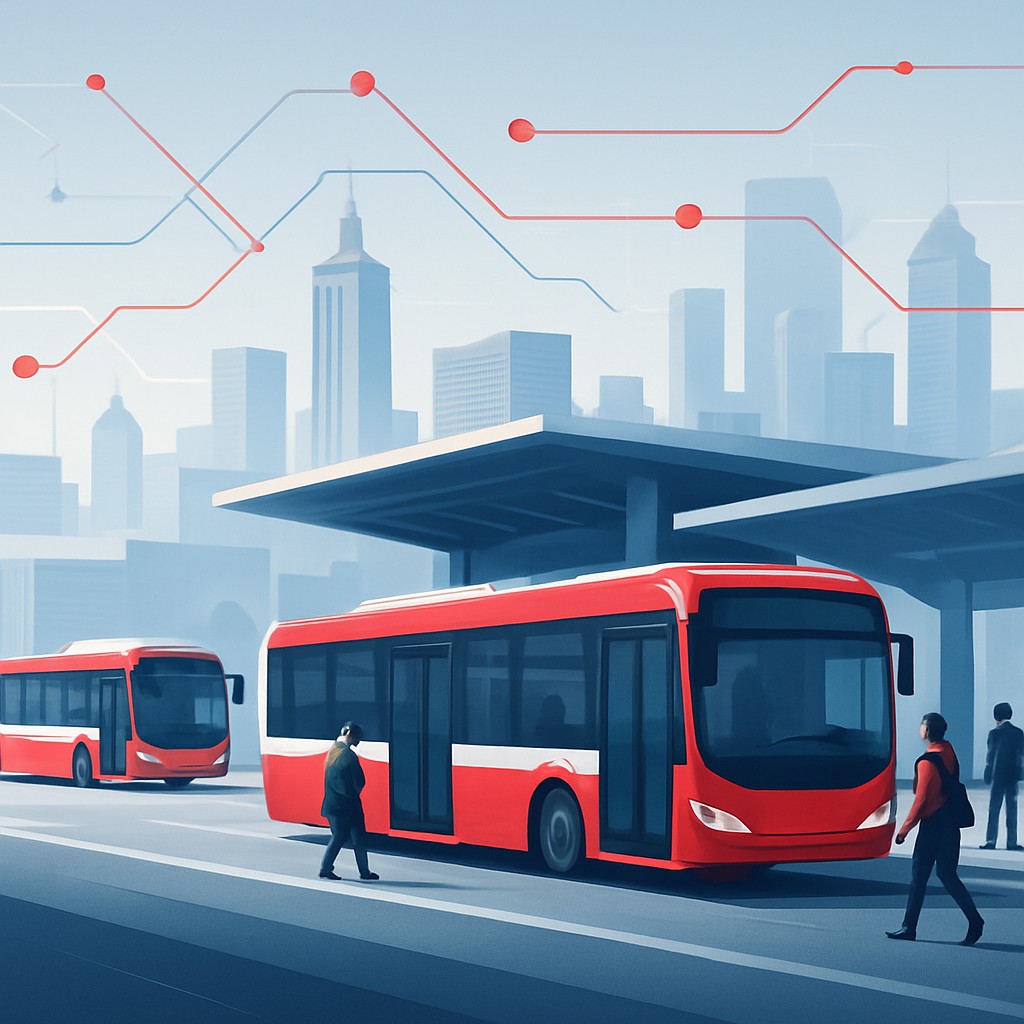
Public Transit as the Lifeline of Ghanaian Mobility
Public transit is the backbone of daily movement for millions of Ghanaians. From bustling city commutes to long intercity journeys, affordable and accessible transport keeps the country's workforce, students, and traders on the move. As urban populations grow in Accra, Kumasi, and other cities, efficient public transit has become more important than ever.
Ghana's transit landscape blends formal bus services with the widely used trotro minibuses and shared taxis that form the informal backbone of urban transport. In recent years, organised bus operators and emerging mobility platforms have begun to modernise the sector, offering more structured, comfortable, and reliable options for travellers.
What Defines Quality Public Transit
The best public transit services in Ghana are measured by reliability, safety, affordability, and comfort. Passengers value predictable schedules, well-maintained vehicles, and fair pricing that makes daily travel sustainable. Safety is a particular priority, with leading operators investing in trained drivers and properly serviced fleets.
Accessibility and coverage are equally important. Strong transit services connect city centres with suburbs, link major towns across regions, and reach communities that depend on public transport for access to jobs, markets, and education. Operators that combine broad coverage with consistent service quality earn the trust of commuters.
Leading Transit Operators in Ghana
State-supported operators such as Metro Mass Transit and the Intercity STC Coaches have long provided affordable bus services across the country, connecting major cities and serving as a dependable option for intercity travel. STC in particular is well regarded for its long-distance coaches linking Accra to Kumasi, Tamale, and beyond.
Organised private operators including VIP Jeoun Transport, OA Travel and Tours, and VVIP have raised the standard for intercity travel with comfortable, scheduled coach services. Within cities, the Aayalolo bus rapid transit system has introduced more structured urban transport, while ride-hailing and bus-booking platforms are adding new layers of convenience to Ghana's evolving mobility ecosystem.
Trends Shaping Public Transit
Modernisation is a defining trend in Ghana's transit sector. Bus rapid transit corridors, digital ticketing, and route planning apps are gradually transforming how people move through cities. These improvements aim to reduce congestion, cut travel times, and make public transport more attractive to a wider range of commuters.
Sustainability is also gaining attention, with growing interest in cleaner vehicles and more efficient route networks. As cities grapple with traffic and air quality challenges, investment in organised, environmentally conscious transit is expected to accelerate in the coming years.
Choosing the Right Transit Option
The ideal transit choice depends on the journey. For long intercity trips, scheduled coach operators offer comfort and reliability, while urban commuters benefit from bus rapid transit and organised city services. For flexible, door-to-door travel, ride-hailing and shared taxis remain popular options.
As Ghana continues to invest in modern, accessible transport, public transit will play an increasingly central role in connecting people and opportunities. The best operators combine affordability, safety, and reliability to keep the nation moving forward.
