
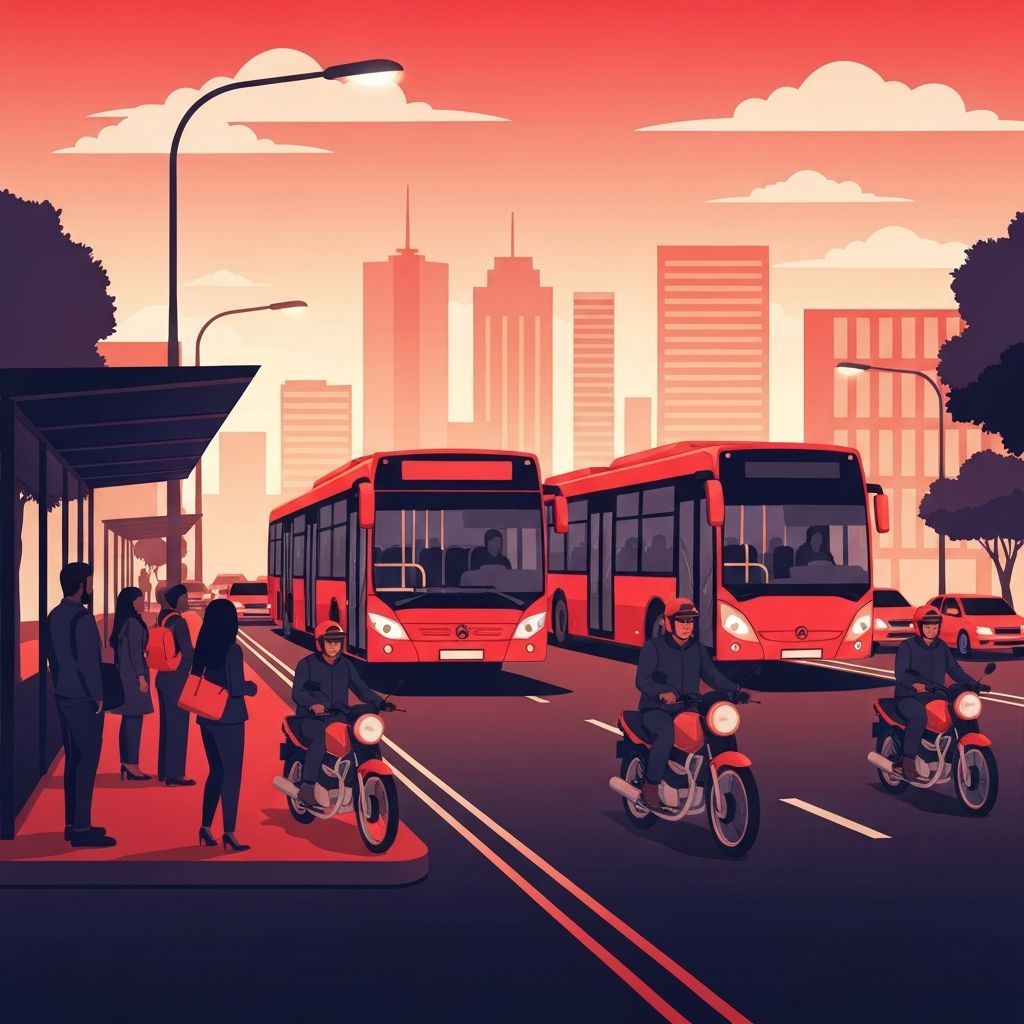
Public Transit in DR Congo: A National Lifeline
Public transit is the backbone of daily mobility in the Democratic Republic of Congo. With more than 100 million inhabitants spread across a vast and varied landscape, the country relies on a mix of buses, minibuses, taxis, motorbikes, river boats, and emerging ride-hailing platforms to keep people moving. From the bustling streets of Kinshasa to the mining hubs of Lubumbashi, public transport supports economic activity, social connections, and access to essential services.
Why Public Transit Matters
For millions of Congolese, public transit is the most affordable and accessible way to travel. It connects workers to jobs, students to schools, traders to markets, and families to relatives. With private car ownership remaining low, the efficiency and reliability of public transit directly influence quality of life, productivity, and economic opportunity.
1. Transco (Transport au Congo)
Transco is the state-owned public bus company that plays a central role in urban transit, especially in Kinshasa. The company operates a fleet of large buses connecting key neighborhoods, offering affordable fares and structured routes. Transco is often the most accessible option for daily commuters.
2. ESCO Kinshasa
ESCO is a major minibus operator running scheduled routes across Kinshasa. Known for its blue and yellow buses, ESCO provides regular service on busy corridors, helping reduce congestion and offering a more organized alternative to informal transport.
3. Société de Transports Urbains du Congo (STUC)
STUC operates urban transit services in several Congolese cities, focusing on affordable and reliable bus routes. Its fleet serves residential neighborhoods, commercial centers, and educational institutions, making it an important part of city mobility.
4. Kin Express
Kin Express is a private bus operator providing express routes within Kinshasa. Its services are popular among professionals seeking faster and more comfortable rides than traditional minibuses. The company emphasizes punctuality and customer comfort.
5. Lubumbashi Bus Services
Lubumbashi Bus Services is a leading transit operator in the mining capital of the country. It connects key districts with reliable bus routes, supporting workers commuting to industrial zones, schools, and shopping areas across the city.
6. Yango Congo
Yango is a ride-hailing platform that has rapidly grown in DR Congo. While not a traditional bus service, it has become an essential part of the public transit ecosystem in Kinshasa and Lubumbashi. The app connects users with affordable car rides through their smartphones.
7. Uber Kinshasa Partners
Uber-style services and similar private ride-hailing platforms have expanded mobility options in DR Congo. They offer urban dwellers a modern, app-based way to commute, complementing traditional public transit and providing safer alternatives in some areas.
8. Motorbike Taxis (Wewa)
Motorbike taxis, known locally as wewa, are a vital form of public transit in many Congolese cities. While operated by individual riders, organized cooperatives and associations help regulate fares and routes. They offer flexible, fast transport, especially in congested areas.
9. Congo River Ferry Services
The Congo River is a major transit route, and ferry services link cities such as Kinshasa, Mbandaka, and Kisangani. Operated by both public and private companies, these ferries carry passengers and goods, providing essential connections where roads are limited.
10. SCTP (Société Commerciale des Transports et des Ports)
SCTP, formerly ONATRA, manages key transport infrastructure including river, rail, and port services. Its public transit operations include train services in some regions and ferry connections, playing a strategic role in national mobility.
Challenges Facing Public Transit
Public transit in DR Congo faces challenges such as traffic congestion, aging fleets, limited infrastructure, and informal competition. Funding constraints and rapid urbanization add pressure to existing systems. However, ongoing reforms, private investment, and digital innovation are gradually improving service quality and reliability.
The Rise of Digital Mobility
Ride-hailing apps, mobile ticketing, and route information platforms are transforming public transit in DR Congo. Smartphone-based services make it easier for users to find rides, plan trips, and pay fares digitally. This technology is helping modernize the sector and improve user experience.
Improving Safety and Accessibility
Safety remains a top priority for public transit users. Operators are investing in driver training, vehicle maintenance, and route management to improve passenger safety. Accessibility improvements, including better stations and more inclusive vehicles, are also gaining attention.
The Future of Public Transit
The future of public transit in DR Congo is promising. With urban populations growing and demand for mobility rising, investments in bus rapid transit, modernized fleets, and integrated digital systems are likely to expand. Sustainable transport, including electric buses and motorbikes, may also play a role in the years ahead.
Conclusion
Public transit is essential to life and commerce in the Democratic Republic of Congo. The top 10 services highlighted here represent the diverse and dynamic transport ecosystem that keeps the country moving. As infrastructure improves and technology spreads, public transit will continue to support growth, opportunity, and connection for millions of Congolese.
