
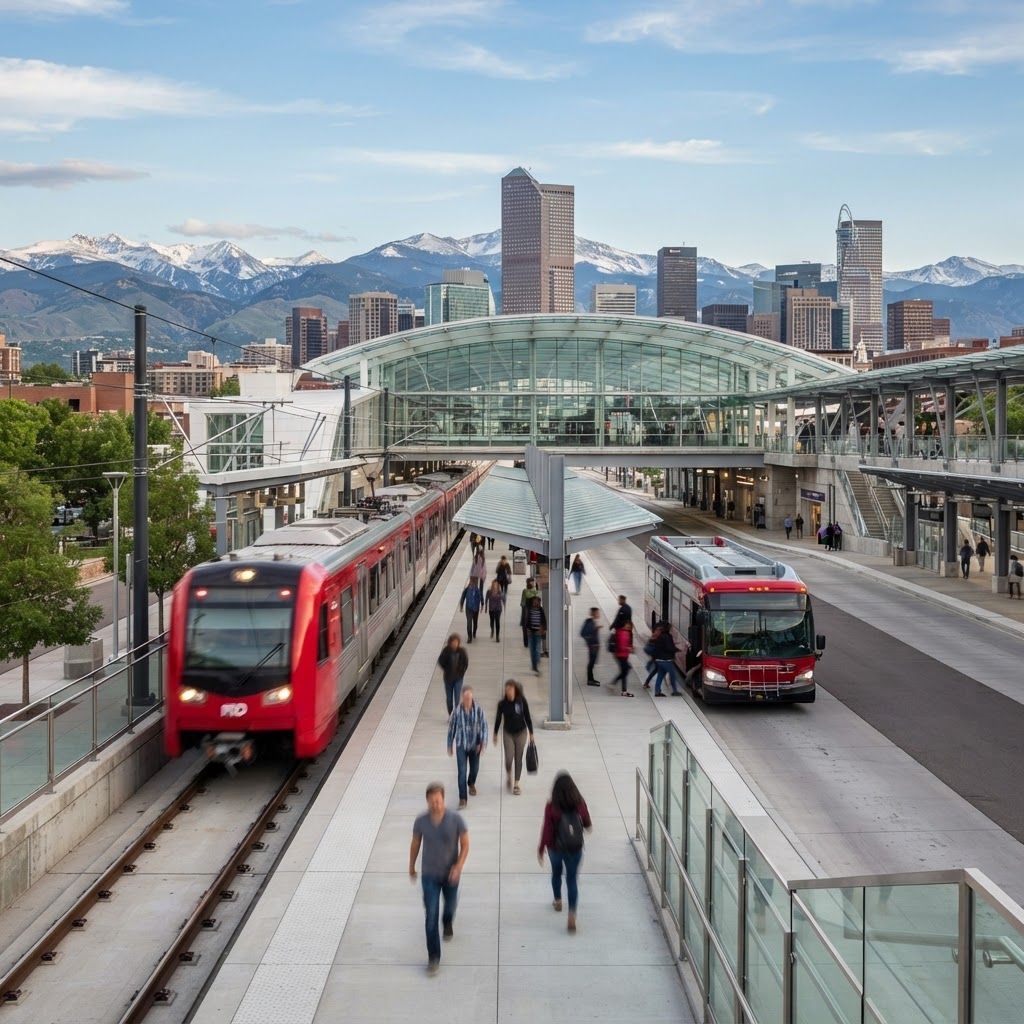
A Connected Region: Denver's Transit Landscape
Public transit is a vital part of daily life in the Denver metropolitan area, offering an affordable and sustainable alternative to driving in an increasingly congested region. The Mile High City has invested significantly in expanding its transit infrastructure over the past two decades, creating a network that connects downtown, the suburbs, the airport, and neighboring communities. For commuters, students, and visitors alike, these services provide convenient access to work, entertainment, and everyday destinations.
As Denver continues to grow, public transit plays an important role in reducing traffic, lowering emissions, and supporting equitable access to opportunity. The region's transit options range from extensive rail lines to neighborhood shuttles, giving riders a variety of ways to navigate the area.
Leading Transit Providers and Services
The Regional Transportation District, widely known as RTD, is the backbone of public transit in the Denver metro area. RTD operates an extensive bus system that reaches nearly every corner of the region, along with a light rail network that serves major corridors and popular destinations. The RTD commuter rail system, including the popular airport line connecting Union Station to Denver International Airport, has become an essential option for travelers seeking a fast, reliable connection to the terminal.
Beyond RTD, several specialized services enhance mobility across the region. The Free MallRide along the 16th Street Mall offers convenient, no-cost transportation through the heart of downtown, while the Free MetroRide serves commuters traveling between Union Station and the Civic Center. Bustang, operated at the state level, extends regional connectivity by linking Denver to cities like Boulder, Fort Collins, and Colorado Springs.
Complementary Mobility Options
Denver's transit ecosystem also includes microtransit and on-demand services that fill gaps in traditional routes. Neighborhood shuttle programs and flexible ride services help riders reach transit stations or complete the final leg of their journey. These first-mile and last-mile solutions are increasingly important for making public transit a practical choice for more residents.
Bike share and scooter programs further complement the transit network, giving riders quick and eco-friendly options for short trips. When integrated with rail and bus services, these micromobility choices create a seamless, multimodal transportation experience that reflects Denver's commitment to sustainable urban mobility.
Benefits of Using Public Transit in Denver
Riding public transit offers numerous advantages. It is generally more affordable than owning and operating a personal vehicle, especially when factoring in parking, fuel, and maintenance costs. Transit also reduces the stress of driving in traffic and searching for parking, allowing riders to relax, read, or work during their commute. From an environmental standpoint, public transit significantly lowers per-passenger emissions, contributing to cleaner air along the Front Range.
Accessibility is another key benefit. Denver's transit services are designed to accommodate riders of all abilities, with wheelchair-accessible vehicles, priority seating, and support services that ensure everyone can travel with dignity and independence.
The Future of Transit in the Mile High City
Denver continues to invest in the modernization and expansion of its transit network. Efforts to improve service frequency, enhance station amenities, and integrate real-time information into mobile apps are making transit more convenient and user-friendly. Fare technology upgrades, including contactless and mobile payment options, streamline the boarding process and improve the rider experience.
As the region grows, public transit will remain central to Denver's vision of a connected, sustainable future. With a diverse array of services working together, the Mile High City offers residents and visitors reliable ways to move throughout one of the most dynamic metropolitan areas in the American West.
