
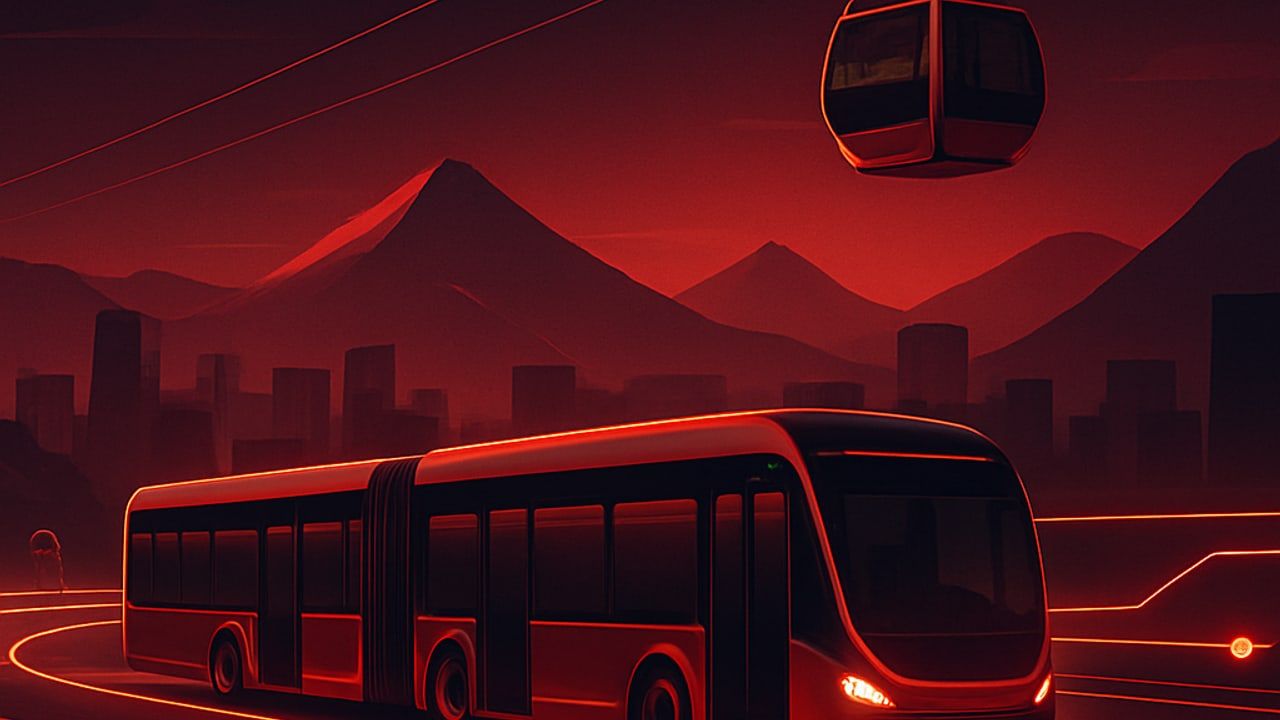
Innovation in Colombian Urban Mobility
Colombia has earned international recognition for pioneering creative solutions to urban mobility. Faced with rapidly growing cities and mountainous terrain, planners have developed bus rapid transit systems, aerial cable cars, and integrated networks that have become global models. Public transit in Colombia is not just a means of getting around; it is a tool for social inclusion, connecting underserved neighborhoods to opportunities across the city.
The best public transit services combine efficiency, affordability, and accessibility. Below we examine ten of the most important public transit systems and services in Colombia.
1. TransMilenio
Bogota's TransMilenio is one of the most famous bus rapid transit systems in the world. Operating dedicated lanes, high-capacity articulated buses, and pre-paid stations, it moves enormous numbers of passengers across the sprawling capital. Despite challenges with congestion, it remains a cornerstone of the city's mobility.
2. Metro de Medellin
The Medellin metro is a source of regional pride and a model of integrated transit. Combining clean, efficient trains with feeder buses and cable cars, it offers a seamless network that has transformed mobility and contributed to the city's remarkable urban renewal.
3. Metrocable Medellin
The Metrocable aerial cable car system connects hillside neighborhoods to the metro network, providing reliable transport to areas once isolated by steep terrain. Internationally celebrated, it has become a symbol of inclusive urban planning and social transformation.
4. MIO Cali
Cali's Masivo Integrado de Occidente is the city's integrated mass transit system, built around bus rapid transit corridors and feeder routes. It provides structured, affordable mobility across the Valle del Cauca capital, improving connectivity for residents.
5. Transmetro Barranquilla
Transmetro serves the Caribbean coastal city of Barranquilla with a bus rapid transit network. The system offers efficient, organized transport along key corridors, supporting the growing population of the metropolitan area.
6. Megabus Pereira
Megabus connects Pereira and neighboring municipalities in the coffee region with a bus rapid transit system. It provides reliable, affordable transport that links urban centers and supports regional integration.
7. Metrolinea Bucaramanga
Metrolinea is the integrated transit system serving Bucaramanga and its metropolitan area. With dedicated corridors and feeder routes, it offers structured mobility across the northeastern city and its surroundings.
8. Transcaribe Cartagena
Transcaribe brings organized mass transit to the historic city of Cartagena. The system improves mobility for residents while easing congestion in a city that also draws large numbers of tourists.
9. SITP Bogota
The Sistema Integrado de Transporte Público complements TransMilenio by organizing Bogota's broader bus network. It integrates routes, fares, and stops to create a more coherent and accessible citywide transit experience.
10. Cable Aereo Manizales
Manizales operates an aerial cable car that connects key points across its hilly terrain. Integrated with other transit options, it offers a practical and scenic mobility solution well suited to the city's challenging topography.
What Makes Public Transit Effective
Effective public transit balances several priorities. Capacity and frequency ensure that systems can handle large volumes of passengers without excessive crowding. Integration across modes, such as buses, trains, and cable cars, allows seamless transfers and broader coverage. Affordability keeps transit accessible to all income levels, supporting social inclusion.
Accessibility and safety are equally important, ensuring that systems serve people of all abilities and provide secure travel. Reliable schedules and clear information help passengers plan journeys with confidence. The most successful systems also consider environmental impact, favoring clean energy and efficient operations.
Trends in Colombian Public Transit
Colombian cities continue to innovate in public transit. Electrification is a major trend, with growing fleets of electric buses reducing emissions and noise in urban areas. Digital payment systems and mobile apps are improving convenience and transparency for riders. Cities are also expanding cable car networks, recognizing their value in connecting hillside communities.
Long-anticipated rail projects, including the Bogota metro, promise to further transform mobility in the coming years. Across the country, planners are increasingly focused on integration, sustainability, and equity, aiming to build transit systems that serve everyone efficiently and inclusively.
Conclusion
Public transit is at the heart of Colombian urban life, moving millions of people and shaping the development of cities. The systems highlighted here showcase the innovation, inclusivity, and efficiency that have earned Colombia international acclaim. As cities continue to invest in cleaner, more integrated transit, public transport will remain a vital force for connectivity and opportunity throughout the country.
