
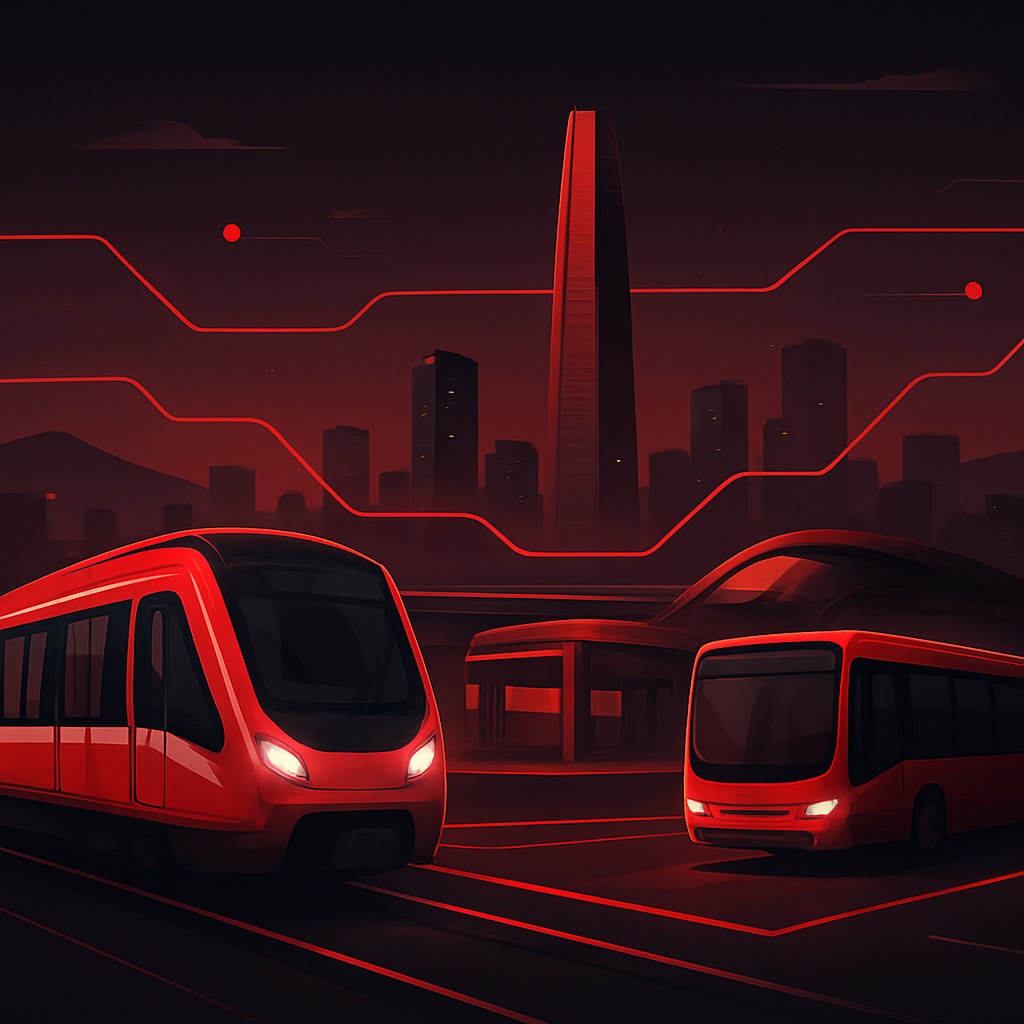
Mobility for Millions
Public transit is the backbone of urban life in Chile. In a country where the majority of the population lives in cities, efficient and affordable public transport is essential for connecting people to work, education, healthcare, and opportunity. From the modern metro of the capital to extensive bus networks and regional services, public transit shapes daily life for millions of Chileans and plays a central role in reducing congestion and emissions.
The best public transit services in Chile combine reliability, affordability, accessibility, and a growing commitment to sustainability. They integrate multiple modes of transport, embrace technology to improve the passenger experience, and continually expand to meet the needs of growing urban populations.
The Santiago Metro: A Regional Leader
At the heart of Chile's public transit system is Metro de Santiago, one of the largest and most modern subway networks in South America. With multiple lines spanning the capital, the metro carries enormous numbers of passengers each day, offering fast, clean, and reliable service. It is widely admired for its efficiency, continuous expansion, and integration with other transport modes.
The metro's commitment to sustainability is notable, with a significant portion of its energy drawn from renewable sources, reflecting Chile's leadership in clean energy. Its ongoing expansion brings rapid transit to more neighborhoods, improving access and reducing reliance on private vehicles. For residents and visitors alike, the Santiago Metro is a model of effective urban transport.
Integrated Bus Networks
Complementing the metro is the Red Metropolitana de Movilidad, the integrated public transport system in Santiago that combines metro and bus services under a unified fare system. This integration allows passengers to transfer seamlessly between modes using a single payment card, making journeys more convenient and affordable. The bus network reaches areas beyond the metro's coverage, ensuring comprehensive citywide mobility.
Beyond the capital, cities such as Valparaíso, Concepción, and others operate their own bus and transit systems tailored to local needs. These networks provide essential connectivity and support economic activity in regions across the country. Trolleybuses in Valparaíso even offer a historic and environmentally friendly mode of transport that has served the city for decades.
Regional Rail and Suburban Services
Suburban and regional rail services extend public transit beyond city centers. Operated under the EFE umbrella, services such as Metro Valparaíso and Biotren in Concepción provide fast, comfortable connections for commuters in their respective regions. These rail systems ease road congestion and offer sustainable alternatives to driving, linking smaller communities with major urban hubs.
The expansion and modernization of regional rail reflect a broader strategy to strengthen public transport across Chile. By investing in these services, authorities aim to provide more Chileans with reliable, affordable mobility options.
Technology and the Passenger Experience
Technology is transforming public transit in Chile. Contactless payment cards, mobile apps, and real-time arrival information make travel more convenient and predictable. Passengers can plan journeys, check schedules, and track vehicles from their smartphones, reducing uncertainty and wait times.
Integrated fare systems simplify payment across modes, encouraging more people to use public transport. These digital improvements enhance the overall experience and help attract riders who might otherwise rely on private cars, supporting the goals of reduced congestion and cleaner air.
Sustainability and Electric Mobility
Chile has emerged as a regional leader in electric public transport. Santiago has introduced one of the largest fleets of electric buses outside of Asia, dramatically reducing emissions and noise while improving comfort for passengers. These quiet, clean vehicles represent a significant step toward more sustainable urban mobility.
The shift to electric transit aligns with Chile's abundant renewable energy and its climate commitments. As more electric buses enter service and the metro continues to draw on clean power, public transport is becoming an increasingly green choice. This leadership sets an example for cities throughout the region.
Challenges and Opportunities
Despite its strengths, public transit in Chile faces challenges. Growing urban populations increase demand and strain capacity, particularly during peak hours. Ensuring reliable service, maintaining infrastructure, and extending coverage to underserved areas require sustained investment and planning.
Yet these challenges come with opportunities. Continued expansion of the metro, growth of electric bus fleets, and improvements to regional rail all promise to enhance mobility and sustainability. By prioritizing public transport, Chilean cities can reduce congestion, improve air quality, and provide equitable access to opportunity.
Accessibility and Inclusion
A defining quality of the best public transit services is their commitment to accessibility for all riders. Modern metro stations and electric buses increasingly feature ramps, elevators, priority seating, and audio and visual announcements that assist passengers with disabilities, older travelers, and families. Affordable fares and concession programs help ensure that low-income residents and students can reach jobs, schools, and services. By designing systems that serve everyone, Chilean transit authorities advance social inclusion and recognize that mobility is a fundamental enabler of opportunity and participation in city life.
Keeping Chile Connected
Public transit services are vital to the functioning and future of Chile's cities. The leading systems, from the celebrated Santiago Metro to integrated bus networks and regional rail, deliver affordable, reliable, and increasingly sustainable mobility for millions. As investment and innovation continue, public transport will remain essential to connecting people, supporting the economy, and building cleaner, more livable cities across the country.
