
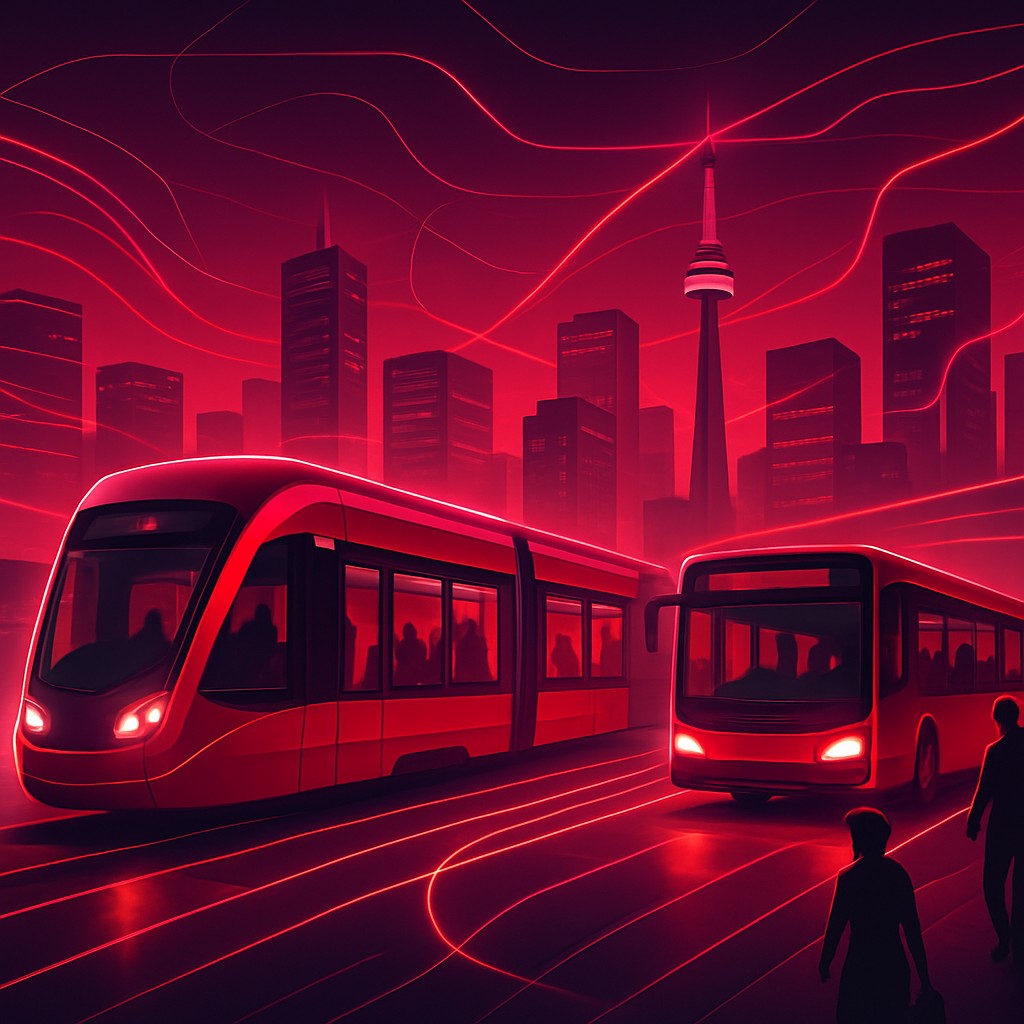
The Role of Public Transit in Canadian Cities
Public transit is the backbone of urban mobility in Canada, moving millions of people each day while reducing traffic congestion, lowering emissions, and connecting communities. As cities grow and environmental concerns intensify, efficient and accessible transit systems have become essential to sustainable urban development. From subways and light rail to buses and ferries, public transit offers an affordable alternative to private car ownership.
Beyond convenience, transit plays a crucial role in social equity by providing mobility for people who cannot or choose not to drive, including students, seniors, and lower-income residents. The best transit systems balance frequency, coverage, affordability, and reliability to serve the diverse needs of urban populations.
What Makes a Transit System Excellent
Top public transit services are defined by reliability, coverage, frequency, and accessibility. Frequent and punctual service encourages ridership by minimizing wait times and making transit a practical choice for daily commutes. Extensive network coverage ensures that residents across a city can reach key destinations such as workplaces, schools, and healthcare facilities.
Accessibility and rider experience are equally important. Modern systems offer accessible vehicles and stations, real-time arrival information, integrated fare payment, and clean, safe environments. Seamless connections between different modes, such as buses feeding into rail lines, create a cohesive network that maximizes convenience for riders.
Leading Public Transit Systems in Canada
Canada's major cities are served by well-developed transit authorities. The Toronto Transit Commission operates one of the largest and busiest systems in North America, combining subways, streetcars, and buses to serve millions of riders. Montreal's Société de transport de Montréal runs an extensive metro and bus network renowned for its efficiency.
TransLink in Metro Vancouver integrates the automated SkyTrain, buses, and SeaBus into a comprehensive regional network. Calgary Transit operates the popular CTrain light rail system alongside its bus services, while OC Transpo serves the Ottawa region with buses and the growing O-Train light rail. These systems exemplify the diverse approaches Canadian cities take to delivering effective public transportation.
Trends Shaping Public Transit
Public transit is undergoing significant transformation driven by sustainability and technology. Many agencies are electrifying their bus fleets and expanding rail networks to reduce emissions and meet climate goals. Investments in new light rail and rapid transit projects are reshaping mobility in several major cities.
Technology is enhancing the rider experience through real-time tracking apps, contactless and integrated fare payment, and data-driven service planning. There is also a growing emphasis on integrating transit with active transportation and shared mobility options, creating connected networks that make car-free living more feasible. Accessibility improvements continue to be a priority across systems.
The Future of Canadian Transit
As urban populations grow and the push for sustainability intensifies, public transit will play an increasingly central role in Canadian cities. Continued investment in infrastructure, electrification, and technology will be essential to meet rising demand and climate commitments. Expanding rapid transit and improving service frequency are key priorities for many agencies.
Canada's leading public transit services are vital to the health, economy, and sustainability of its cities. By providing accessible, reliable, and increasingly green mobility, these systems connect millions of residents to opportunities every day. As they continue to evolve and expand, public transit will remain a cornerstone of livable and sustainable Canadian urban life.
