
Mobility in Cambodia's Growing Cities
Public transit in Cambodia has evolved significantly as the country's cities grow and modernize. From the introduction of city bus systems to the widespread use of tuk-tuks and the rise of ride-hailing apps, urban mobility options have expanded to meet the needs of residents and visitors. These services provide affordable, accessible transport, helping to ease congestion and connect communities across the Kingdom.
Phnom Penh, as the capital and largest city, has seen the most development in public transit, but other urban centers are also embracing improved mobility solutions. The combination of traditional and modern transport options creates a diverse and dynamic transit landscape that caters to a wide range of needs.
City Bus Systems
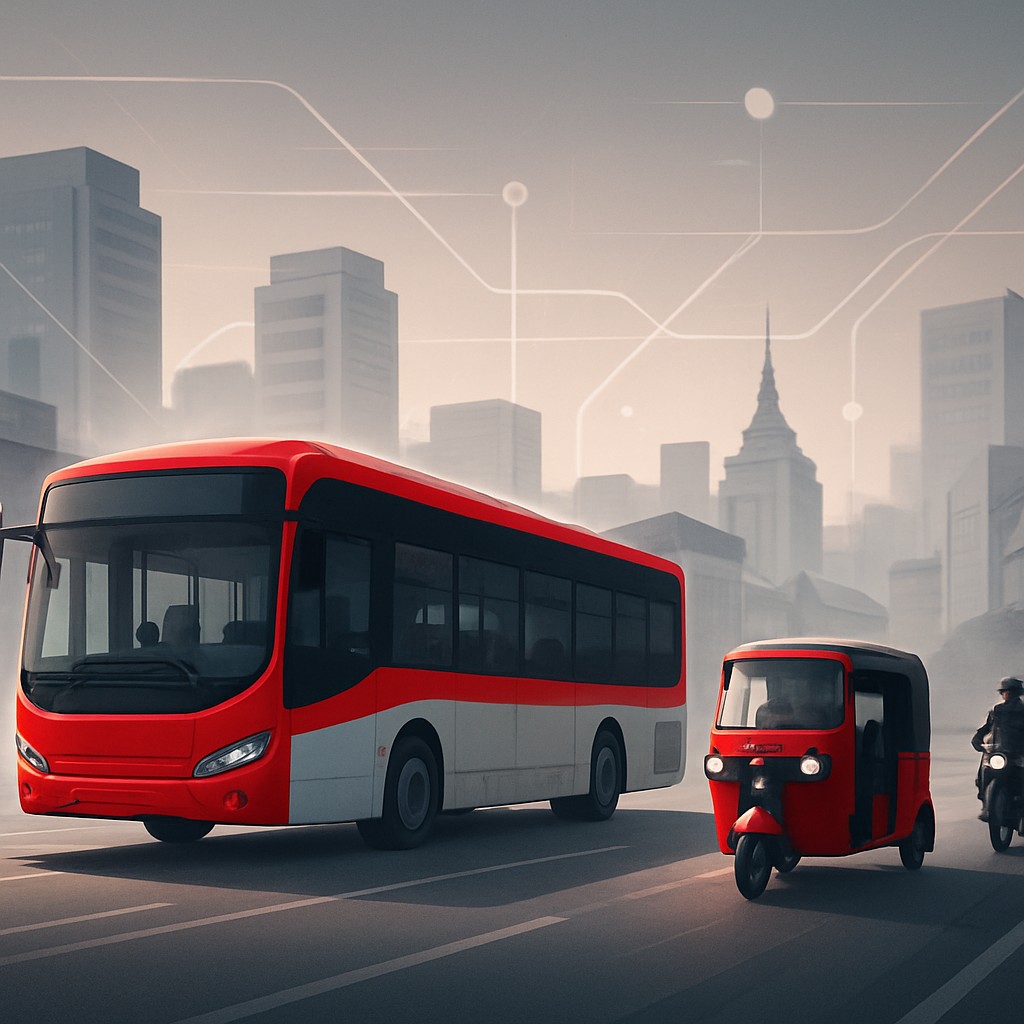
Phnom Penh's city bus network represents an important step in the development of public transit in Cambodia. Operated as a public service, these buses provide affordable transport along key routes throughout the capital, offering an alternative to private vehicles and helping to reduce traffic congestion. The bus system has expanded over time, with additional routes and improved services.
City buses offer a low-cost transport option that benefits students, workers, and residents who rely on public transit for their daily commutes. As the network grows and awareness increases, ridership continues to rise, demonstrating the value of organized public bus services in urban areas.
Tuk-Tuks: An Iconic Mode of Transport
Tuk-tuks are an iconic and ubiquitous mode of transport in Cambodia, offering flexible and convenient mobility throughout cities and towns. These three-wheeled vehicles provide door-to-door service, navigating narrow streets and reaching destinations that larger vehicles cannot. Tuk-tuks are popular among both locals and tourists for their affordability and accessibility.
The traditional tuk-tuk, often a motorbike with an attached carriage, has been complemented by the rickshaw-style auto tuk-tuks that have become common in recent years. These vehicles are widely available and remain a beloved part of Cambodia's transport culture, offering a uniquely local travel experience.
Ride-Hailing and App-Based Services
The introduction of ride-hailing apps has transformed urban transport in Cambodia, providing convenient and transparent mobility options. These platforms connect passengers with drivers of cars, motorbikes, and tuk-tuks, offering upfront pricing, cashless payment, and real-time tracking. The convenience and reliability of these services have made them increasingly popular.
Ride-hailing apps have brought greater efficiency and accountability to urban transport, benefiting both passengers and drivers. The integration of tuk-tuks into these platforms has modernized this traditional mode of transport, combining the charm of the tuk-tuk with the convenience of app-based booking.
Motorbike Taxis and Flexible Options
Motorbike taxis, known locally as moto-dops, offer a fast and flexible transport option, particularly useful for navigating congested urban traffic. These services provide quick point-to-point transport at affordable prices, making them a popular choice for short trips. Many motorbike taxi drivers now operate through ride-hailing apps, enhancing convenience and safety.
The flexibility of motorbike taxis makes them well suited to Cambodia's urban environment, where traffic can be heavy and destinations may be difficult to reach by larger vehicles. They remain an important component of the country's diverse transit ecosystem.
Affordability and Accessibility
One of the key strengths of Cambodia's public transit services is their affordability. Public buses, tuk-tuks, and motorbike taxis offer low-cost transport options that are accessible to a broad range of the population. This affordability is essential for residents who rely on public transit for their daily mobility needs.
Accessibility is another important consideration, and the variety of transport options ensures that residents and visitors can find suitable mobility solutions. From organized bus routes to on-demand ride-hailing services, the diversity of options enhances overall accessibility across urban areas.
Challenges and Opportunities
Despite progress, Cambodia's public transit faces challenges, including traffic congestion, limited route coverage in some areas, and the need for further infrastructure investment. Addressing these challenges presents opportunities to enhance mobility, reduce congestion, and improve the quality of urban life. Continued investment and planning will be essential to meeting growing demand.
The integration of technology, expansion of bus networks, and promotion of sustainable transport options offer promising avenues for improvement. As cities grow, well-planned public transit systems will become increasingly important for managing mobility and supporting economic development.
The Future of Public Transit in Cambodia
The future of public transit in Cambodia looks promising, with ongoing developments aimed at improving mobility and accessibility. The expansion of bus networks, the growth of ride-hailing services, and the potential for new transport infrastructure all point to a more connected and efficient transit landscape. These developments will benefit residents, businesses, and visitors alike.
As Cambodia's cities continue to grow, investment in public transit will play a crucial role in shaping sustainable and livable urban environments. The combination of traditional and modern transport options provides a strong foundation for the continued development of mobility solutions that keep the Kingdom moving forward.
