
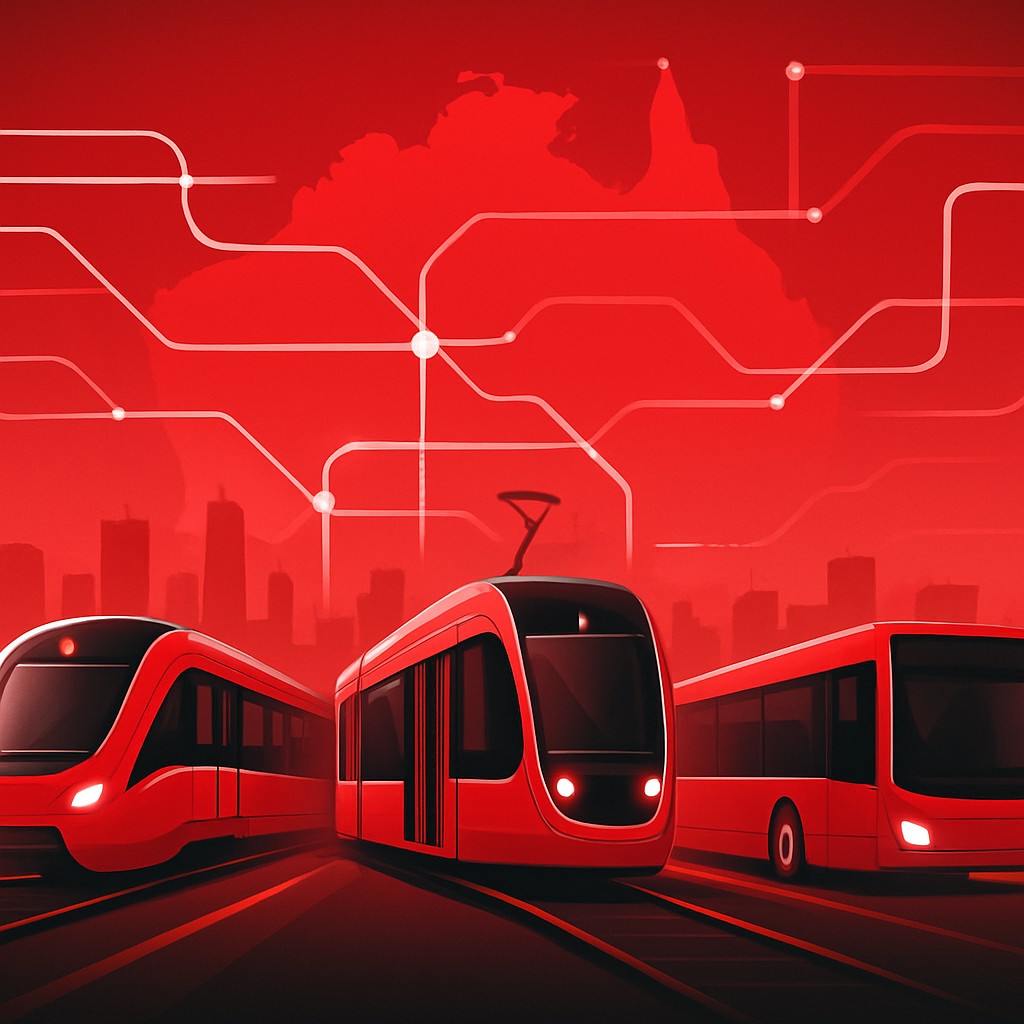
Public Transit at the Heart of Australian Cities
Public transport is the lifeblood of Australia's major cities, moving millions of commuters, students, and visitors every day. As urban populations grow and governments push toward lower-emission travel, the country's transit networks have expanded and modernised significantly. Integrated ticketing, real-time apps, and accessible services have transformed the way Australians navigate their cities.
Each state operates its own network under distinct branding, yet all share common goals: reliability, affordability, and seamless connectivity between trains, trams, buses, and ferries. The best systems blend heritage infrastructure with cutting-edge technology to deliver a smooth passenger experience.
What Defines a Strong Transit Network
Excellence in public transit comes down to frequency, coverage, punctuality, and ease of use. Smartcard and contactless payment systems have removed friction at the gate, while real-time tracking helps passengers plan with confidence. Accessibility for people with disabilities, safety measures, and clean, comfortable vehicles all contribute to a service riders can trust.
The Leading Public Transit Services
Transport for NSW (Opal network) oversees Sydney Trains, buses, light rail, and ferries, offering one of the most integrated systems in the country through the Opal smartcard and a well-developed metro line.
Public Transport Victoria (Myki) coordinates Melbourne's extensive network, including the world's largest tram system, suburban trains, and an expanding regional rail service.
Translink Queensland manages South East Queensland's buses, trains, ferries, and the CityCat service on the Brisbane River, unified under the go card system.
Transperth serves greater Perth with an efficient network of trains, buses, and ferries, well regarded for its punctuality and free city-centre transit zone.
Adelaide Metro connects South Australia's capital through trains, trams, and buses, including a historic tram line to the seaside suburb of Glenelg.
Metro Tasmania provides reliable bus services across Hobart, Launceston, and Burnie, supporting both urban and regional travel.
Transport Canberra operates the capital's bus network alongside a modern light rail line that has reshaped commuting in the ACT.
Sydney Metro stands out as Australia's first fully automated, driverless rail system, delivering high-frequency, turn-up-and-go service across growing corridors.
Yarra Trams runs Melbourne's beloved tram network, an icon of the city and a vital part of its daily rhythm.
Brisbane Metro rounds out the list with its high-frequency electric bus rapid transit project designed to ease congestion in the river city.
Technology Transforming the Commute
Digital innovation has reshaped public transport across Australia. Contactless payment using credit cards and mobile wallets now complements traditional smartcards, while journey-planning apps integrate live timetables, disruption alerts, and multimodal routing. Automated trains, electric buses, and light rail expansions reflect a clear commitment to sustainability and capacity growth.
Real-time data has empowered passengers to make smarter travel decisions, reducing waiting times and improving overall satisfaction. Many networks now publish open data, encouraging third-party developers to build helpful tools for riders.
Sustainability and the Future of Transit
With transport a major contributor to urban emissions, public transit is central to Australia's climate strategy. Cities are investing in electric and hydrogen buses, expanding rail corridors, and encouraging mode shift away from private cars. These investments not only cut emissions but also ease congestion and improve liveability in fast-growing metropolitan areas.
Tips for Getting the Most from Public Transport
Travellers benefit from registering smartcards to protect against loss, taking advantage of off-peak fares, and using official apps for the most accurate timetables. Daily and weekly fare caps can deliver significant savings for regular commuters, while integrated ticketing allows seamless transfers between modes on a single journey.
Conclusion
Australia's public transit services have evolved into modern, integrated networks that keep the nation's cities moving efficiently and sustainably. From Sydney's driverless metro to Melbourne's historic trams, each system reflects a blend of heritage and innovation. As investment continues and technology advances, public transport will remain an essential, ever-improving part of Australian urban life.
